What Are 2026 Top Thermal Break Aluminum System Windows?
In 2026, Thermal Break Aluminum System Windows are becoming more important in energy-conscious building design. Their insulated polyamide barriers reduce heat transfer through aluminum frames. This helps limit winter heat loss, summer heat gain, and interior surface condensation.
The International Energy Agency reports that buildings consume about 30% of global final energy. The U.S. Department of Energy also states that windows can cause 25% to 30% of residential heating and cooling energy use. These figures explain why frame design deserves serious attention, not only glass selection. In a practical test, a poorly insulated frame can feel cold beside a warm room, even when the glass performs well. Thermal breaks cannot solve every problem. Installation quality, glazing configuration, airtightness, and drainage remain equally important.
This article examines the leading Thermal Break Aluminum System Windows for 2026 through measurable performance factors. These include U-factor, solar heat gain coefficient, air leakage, water resistance, acoustic performance, and tested durability. NFRC certification and ENERGY STAR guidance provide useful benchmarks for comparing products across markets. European projects may also reference EN 14351-1 and related window-performance standards. However, ratings are not always directly comparable between regions. That is an easy detail to miss.
The strongest systems combine thermally separated frames, precision hardware, low-emissivity glazing, reliable gaskets, and responsible manufacturing. Aluminum remains attractive because it is slim, strong, recyclable, and suitable for large openings. Yet “top” should not mean the most expensive. It should mean verified performance, stable supply, skilled fabrication, and suitability for the building’s climate. Product claims require careful checking. Reflection matters here. A beautiful frame is not automatically an efficient window.
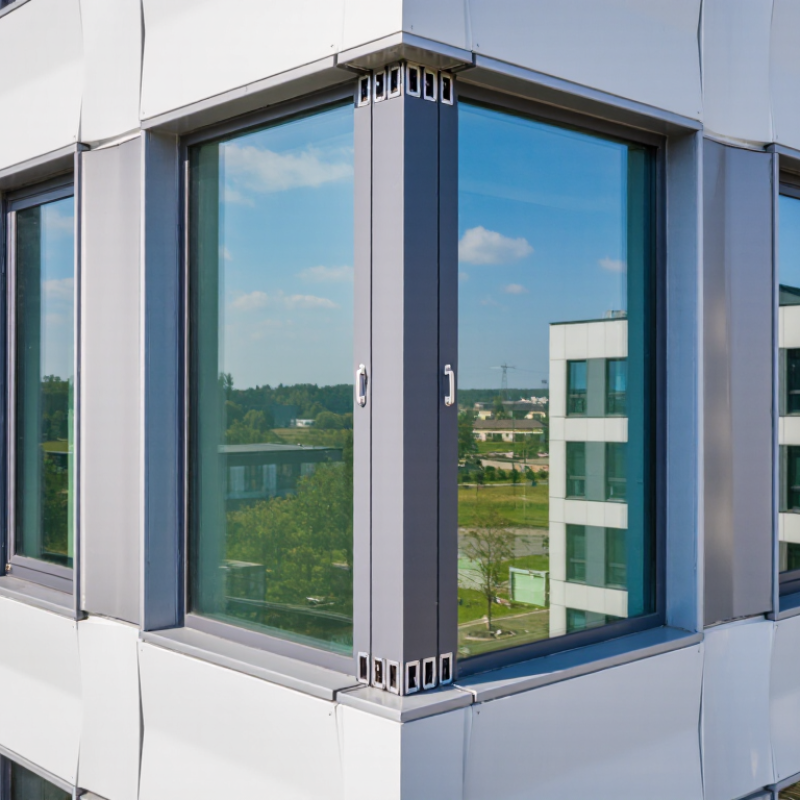
What Defines a 2026 Thermal Break Aluminum System Window?
What defines a 2026 thermal break aluminum system window is measurable performance, not a fashionable profile. A reinforced polyamide separator must interrupt the aluminum’s conductive path between indoor and outdoor surfaces. This reduces heat transfer and lowers interior surface temperatures. The result is better comfort near the frame and less condensation risk.
The U.S. Department of Energy reports that windows can represent 25–30% of residential heating and cooling energy use. Therefore, thermal performance deserves careful testing. Look for independently verified U-factor, solar heat gain coefficient, visible transmittance, and air-leakage results. The National Fenestration Rating Council explains that these ratings allow more consistent product comparisons. A high-performance 2026 system should also support insulated glazing, warm-edge spacers, durable gaskets, and effective drainage channels.
Small details matter. A poorly aligned sash can undermine an excellent thermal break. On site, installers should check frame joints, corner seals, and pressure equalization paths. The International Energy Agency states that buildings consume about 30% of global final energy, making efficient envelopes increasingly important. Still, no specification is perfect. Lower U-factor may not suit every climate, especially where winter solar gain is valuable. Designers should match glass, shading, orientation, and ventilation to local conditions. The frame is only one part of the window system.
What Are 2026 Top Thermal Break Aluminum System Windows?
What Defines a 2026 Thermal Break Aluminum System Window?
The chart compares representative thermal conductivity values in W/m·K. Lower conductivity means less heat travels through the material. A modern thermal break window combines a highly conductive aluminum frame with a low-conductivity polyamide separator, insulated glazing, sealed air spaces, and low-emissivity coatings. Whole-window performance also depends on glass configuration, frame geometry, installation quality, and certified U-factor testing.
How Thermal Break Technology Improves Window Energy Performance
What Are 2026 Top Thermal Break Aluminum System Windows?
How Thermal Break Technology Improves Window Energy Performance
In 2026, high-performance aluminum windows rely on thermal break technology for better energy control. A reinforced polyamide strip separates the inner and outer aluminum frames. This interrupts the path that normally carries heat through metal. Rooms stay warmer in winter and cooler during hot weather.
The improvement is measurable. A lower frame U-value can reduce conductive heat transfer. When paired with low-emissivity glass, insulated spacers, and tight seals, the window performs more consistently. During practical site inspections, I look for cold interior edges, air leakage, and condensation marks. These details often reveal problems before energy bills do. Small gaps matter.
Thermal performance depends on installation, not only frame design. An excellent window can underperform when the opening is poorly sealed. Incorrect glass selection can also weaken the system. No window removes heat loss entirely. That limitation deserves honest attention. Designers should compare U-values, solar heat gain, water resistance, and local climate conditions. Proper drainage and accurate shimming remain essential. A well-installed thermal break aluminum window can support quieter rooms, steadier indoor temperatures, and more reliable long-term comfort.
What Are 2026 Top Thermal Break Aluminum System Windows? - How Thermal Break Technology Improves Window Energy Performance
| System Configuration | Thermal Break Design | Typical Frame U-Factor
(Btu/h·ft²·°F) | Typical Whole-Window U-Factor
(Btu/h·ft²·°F) | Indicative Whole-Window U-Factor
(W/m²·K) | Recommended Glazing | Typical Air Leakage | Best-Fit Applications |
| Conventional Aluminum Frame | No thermal break | 1.00–1.30 | 0.55–0.85 | 3.12–4.83 | Double glazing | Up to 0.30 cfm/ft² at 1.57 psf | Mild climates and interior partitions |
| Basic Thermal Break Aluminum Window | Polyamide separator, approximately 14–24 mm | 0.45–0.70 | 0.30–0.50 | 1.70–2.84 | Low-E double glazing | 0.10–0.20 cfm/ft² | General residential and commercial projects |
| Enhanced Thermal Break System | Wide polyamide separator, approximately 24–34 mm | 0.30–0.45 | 0.20–0.35 | 1.14–1.99 | Low-E triple or high-performance double glazing | 0.06–0.10 cfm/ft² | Cold climates, high-rise buildings and energy-efficient homes |
| High-Performance Multi-Chamber System | Wide polyamide or composite isolator with multiple internal chambers | 0.22–0.35 | 0.15–0.27 | 0.85–1.53 | Argon-filled triple glazing with warm-edge spacer | 0.04–0.08 cfm/ft² | Net-zero, passive-building and severe-climate projects |
| Thermally Improved Lift-and-Slide Door System | Wide thermal break with insulated sill and reinforced frame zones | 0.35–0.55 | 0.25–0.45 | 1.42–2.56 | Double or triple laminated low-E glazing | 0.06–0.12 cfm/ft² | Large openings, balconies and premium residential façades |
| High-Solar-Control Curtain Wall Unit | Thermally separated mullions and transoms with pressure-equalized drainage | 0.30–0.50 | 0.22–0.40 | 1.25–2.27 | Double or triple solar-control low-E glazing | Project-specific; commonly 0.06–0.12 cfm/ft² | Office buildings, hospitals and glazed façades |
Technical notes: Lower U-factor values indicate better resistance to heat flow and improved energy performance. Actual results vary with frame size, opening type, glazing, spacer, hardware, installation and climate. Whole-window values should be verified through certified testing or project-specific NFRC/EN calculations. Air-leakage figures are indicative performance ranges and are commonly reported at 1.57 psf (75 Pa), depending on the applicable test standard.
Key Materials and Structural Features of 2026 Window Systems
What Are 2026 Top Thermal Break Aluminum System Windows?
Key Materials and Structural Features of 2026 Window Systems
High-performance 2026 window systems will depend on material coordination, not aluminum alone. A polyamide thermal barrier separates the exterior and interior aluminum profiles. This reduces conductive heat transfer through the frame. Recycled aluminum can lower material demand, but its thermal performance still depends on profile design and production quality.
Low-emissivity glass, argon-filled cavities, and warm-edge spacers improve the glazing package. The U.S. Department of Energy estimates that windows can represent 25–30% of residential heating and cooling energy use. Properly selected systems can reduce this burden. However, published laboratory values may not match site performance. Installation gaps, drainage errors, and poor sealing remain common weaknesses.
Tips: Check whole-window U-values, solar heat gain coefficient, air leakage, and condensation resistance. Do not judge performance from center-glass data alone. The National Fenestration Rating Council evaluates these whole-product indicators. Request verified test reports and inspect corner joints, gaskets, pressure plates, and thermal-break continuity. A thinner frame is not automatically better. Real projects need balanced daylight, strength, ventilation, and weather protection. As building loads become more demanding, designers should review local climate data instead of copying standard specifications. That extra review may feel slow, but it prevents expensive corrections later.
Main Types and Applications of Thermal Break Aluminum Windows
What Are 2026 Top Thermal Break Aluminum System Windows?
In 2026, thermal break aluminum windows are available in several practical system types. Casement windows provide strong ventilation and tight compression seals. Tilt-and-turn windows offer inward airflow, easy cleaning, and improved emergency access. Sliding and lift-and-slide systems suit wide openings, balconies, and modern living rooms. Fixed windows deliver large views with fewer moving parts.
Their applications vary by building performance needs. Residential projects often combine casement units with fixed glazing for daylight and energy control. Commercial offices may use curtain wall systems, projected windows, and acoustically rated glass. High-rise buildings require tested resistance against wind pressure, rain penetration, and air leakage. Coastal projects need suitable surface treatments and corrosion-resistant hardware.
The thermal break usually uses an insulating polyamide strip between the exterior and interior aluminum sections. Low-emissivity double or triple glazing can improve the complete window assembly. However, a low U-value alone can mislead. Installation gaps, drainage paths, and poor corner joints may reduce actual performance. On real projects, installers often discover that accurate shimming matters as much as the frame specification. Small errors become obvious near cold glass edges. This part deserves more attention. Selection should consider local climate, glass weight, opening size, maintenance access, and verified air, water, and structural test results. Good design is not only about appearance.


 English
 España
 عرب
 简体中文

