

 English
 España
 عرب
عرب 简体中文
简体中文Best Bathroom Accessories Manufacturer in China?
Finding the best bathroom accessories manufacturer in China requires more than comparing prices. Buyers should examine production experience, material control, design capability, and communication quality. A reliable Bathroom Accessories MANUFACTURER can explain each stage, from stainless steel cutting to surface finishing and final inspection. Factory photographs help, but verified records matter more.
Look closely at the details. Ask whether the supplier uses 304 stainless steel for wet environments. Confirm plating thickness, load testing, packaging standards, and inspection procedures. Request samples before approving mass production. A towel bar may look polished, yet weak wall anchors can create problems after installation. That small detail matters.
Experience matters greatly.
An established manufacturer should support OEM and ODM projects with clear drawings, stable sampling, and practical production advice. Certifications and test reports should come from recognized institutions, not vague online claims. Buyers should also review factory audits, export history, and customer feedback where available. These sources cannot guarantee perfect performance, but they reduce uncertainty.
No factory is flawless. Even a capable supplier may face delays, color variation, or packaging damage during busy seasons. Honest communication about these risks is a sign of professionalism. The best partnership often comes from documented quality controls, responsive service, and realistic promises. This guide explores how to evaluate Chinese bathroom accessories manufacturers with evidence, careful questions, and attention to long-term reliability. A low quotation may attract attention. It should never replace technical judgment.
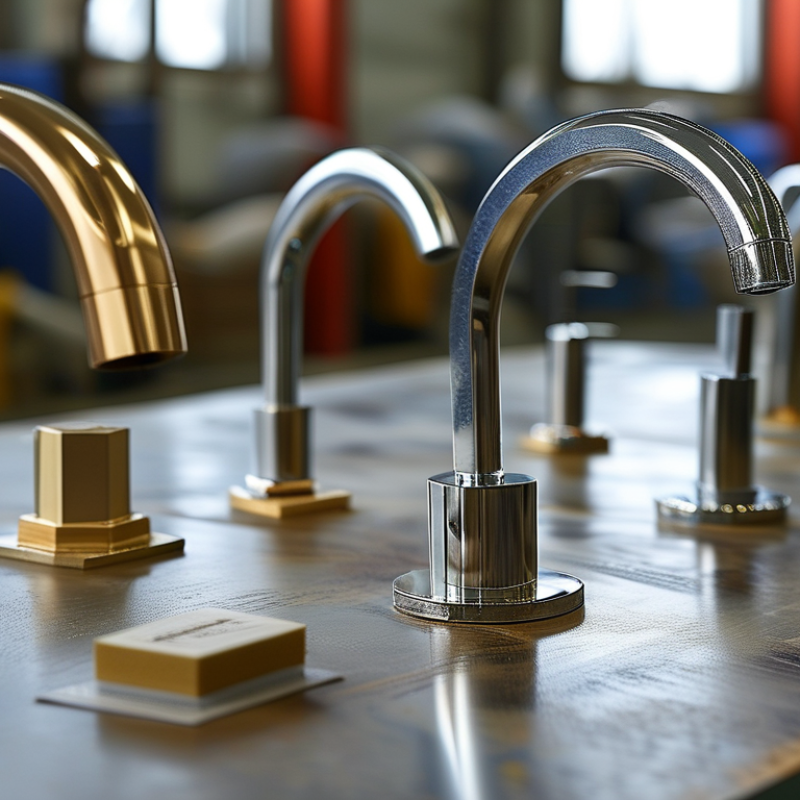
What Defines a Leading Bathroom Accessories Manufacturer in China
What Defines a Leading Bathroom Accessories Manufacturer in China
A leading bathroom accessories manufacturer combines practical experience with controlled production. Its team understands how humidity, water stains, and daily handling affect bathroom products. Materials should be selected for their environment, not only for appearance. Stainless steel, solid brass, and durable surface coatings can support longer service life when processed correctly.
Reliable manufacturers maintain clear quality checkpoints. Workers inspect dimensions, welding points, polishing, plating, and packaging. They should also test load strength, corrosion resistance, and coating adhesion. Small details matter. A loose screw can damage an otherwise excellent installation.
Technical drawings, samples, and production records improve communication with overseas buyers. Experienced engineers can identify weak structures before mass production begins. They can also adjust mounting plates, hole spacing, finishes, and packaging for different projects. However, customization should not become an excuse for poor consistency. Every approved sample needs a traceable production standard.
Trust develops through evidence. A dependable factory provides material information, inspection reports, realistic lead times, and clear responses when problems occur. No manufacturer gets every batch perfect. That is worth admitting. The important question is how quickly the issue is found, explained, and corrected. Factory visits, sample reviews, and third-party inspections can further reduce purchasing risks. Good service continues after shipment, especially when installation feedback reveals an overlooked weakness.
Best Bathroom Accessories Manufacturer in China? - What Defines a Leading Bathroom Accessories Manufacturer in China
| Evaluation Dimension | What Leading Manufacturers Commonly Provide | Relevant Standard or Benchmark | Why It Matters to Buyers |
|---|---|---|---|
| Material Transparency | Clearly identified materials such as 304 stainless steel, brass, aluminum, zinc alloy, tempered glass, or ABS plastic, supported by material specifications. | Material grade documentation and supplier traceability records. | Helps buyers assess corrosion resistance, strength, appearance, and expected service life. |
| Surface Finish Quality | Consistent polished, brushed, matte, painted, or plated finishes with inspection criteria for color, adhesion, scratches, pits, and surface uniformity. | Coating adhesion, appearance, and corrosion testing based on the selected finish and destination-market requirements. | A durable finish reduces premature discoloration, peeling, rusting, and customer complaints. |
| Quality Management System | Documented incoming-material inspection, in-process controls, final inspection, corrective actions, and batch records. | ISO 9001 is the internationally recognized standard for quality management systems. | A controlled process creates more consistent products and makes quality issues easier to trace. |
| Product Safety | Rounded edges, secure wall-mounting systems, stable load-bearing parts, safe glass handling, and product-specific risk checks. | Applicable national safety regulations, retailer requirements, and product-specific test methods. | Reduces installation risks, returns, liability exposure, and end-user safety concerns. |
| Dimensional Accuracy | Controlled dimensions, hole locations, component compatibility, and assembly tolerances verified against approved drawings. | Approved technical drawings, tolerance specifications, and sample sign-off procedures. | Accurate dimensions support faster installation and reduce fitment problems across different bathroom layouts. |
| Customization Capability | Options for dimensions, finishes, mounting methods, packaging, labeling, and coordinated product collections. | Production should be controlled through approved samples, drawings, color references, and change records. | Enables retailers, distributors, hospitality projects, and contractors to meet specific market requirements. |
| Testing and Inspection | Pre-production sample approval, production-line inspection, functional checks, visual inspection, and pre-shipment inspection. | Inspection plans should define sampling levels, acceptance criteria, and records for each product category. | Independent or documented inspections provide measurable evidence of product consistency. |
| Packaging Protection | Individual protection for finished surfaces, separated components, impact-resistant cartons, moisture protection, and clear carton markings. | Packaging should be validated through handling, stacking, and transport-risk assessments. | Good packaging lowers transit damage, replacement costs, and installation delays. |
| Production Flexibility | Capability to manage standard products, small pilot orders, repeat production, and project-based schedules subject to capacity. | Lead times and minimum order quantities should be confirmed in writing for each product and order quantity. | Flexible production helps buyers test new designs before committing to larger volumes. |
| Export Documentation | Commercial invoices, packing lists, shipping documents, product specifications, and origin or compliance documents when required. | Documentation must match the destination country's customs, labeling, and product compliance requirements. | Accurate paperwork supports smoother customs clearance and reduces shipment delays. |
| After-Sales Support | Installation instructions, spare-part availability, defect handling, technical responses, and documented warranty terms. | Warranty duration and exclusions should be defined clearly in the sales agreement. | Responsive support protects the buyer's reputation and reduces the total cost of ownership. |
| Sustainability Practices | Material-efficiency programs, recyclable packaging options, waste reduction, responsible chemical handling, and energy-management initiatives. | Environmental claims should be supported by documented procedures, certificates, or verified data. | Supports retailer sustainability policies and helps buyers meet environmental reporting expectations. |
Note: Requirements, testing methods, lead times, minimum order quantities, and certifications vary by product type and destination market. Buyers should verify the applicable specifications before placing an order.
-
- about us
- About Us
- Qualification
- Privacy
-
- Packaging products
- Hot Sale
- Outdoor Sofa Sets
- Outdoor Dining Sets
- Outdoor Loungers/Sunbeds
- Swing Chairs
- Single Chair

