The best Outdoor Patio Furniture Sets are not always the largest or most expensive. They are the sets that suit your space, weather, and daily habits. Urbanist William H. Whyte observed, “What attracts people most, it would appear, is other people.” That idea matters on a patio: comfortable seating can turn an empty corner into a place where people linger. Start with real use. Do you need a dining table for family meals, a compact bistro set for morning coffee, or deep lounge chairs for slow evenings?
Measure the patio before comparing styles. Leave room to pull out chairs and walk past a table without sideways shuffling. Check materials, too: powder-coated aluminum is light and resists rust, while teak has a warm grain but needs care if you want to preserve its color. Woven resin can handle outdoor exposure, though weave quality varies. Small details count. Look for washable cushion covers, sturdy joints, and feet that sit evenly on your surface. Shade changes everything. A set that feels inviting in a showroom may become uncomfortable under direct afternoon sun.
This guide compares popular set types, materials, comfort, durability, and value to help you choose with clearer expectations. There is no perfect set for every patio. That sounds obvious, but it is easy to overlook when glossy photos make every setup look effortless. Consider your climate, storage space, and willingness to maintain the furniture before buying. The best choice should feel practical on an ordinary Tuesday, not just attractive in a product photo.
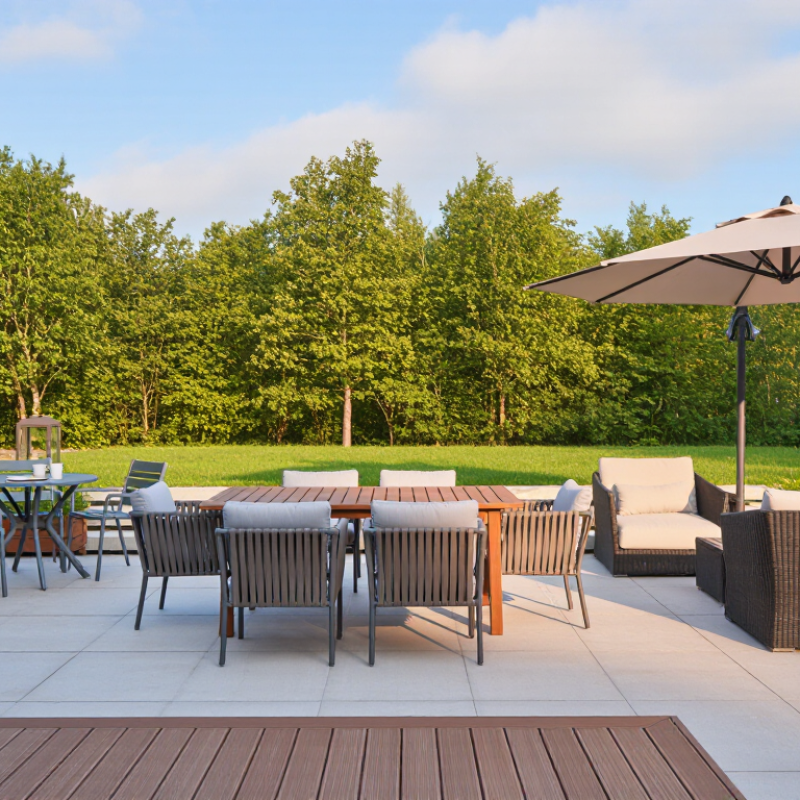
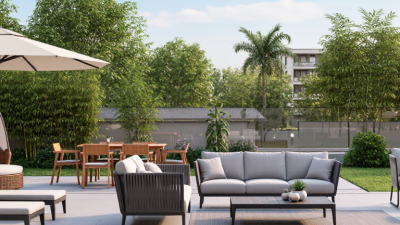
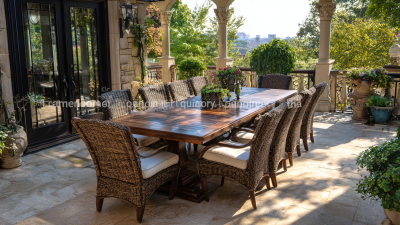
Outdoor patio furniture sets usually pair seating with a table, but the exact pieces vary. A dining set may include four or six chairs and a table sized for meals. Lounge sets often contain a sofa, two armchairs, and a low coffee table. Smaller sets might offer only two chairs and a compact side table. That matters.
Look closely at what is included before choosing a set. Cushions may come with the chairs, yet covers or extra pillows may be sold separately. Some tables have glass tops; others use slatted wood or metal. Check the listing. It should state the number of seats, table dimensions, materials, and whether cushions are included. A tape measure can help confirm that chairs still fit when pulled away from the table.
Think about daily use, not just appearance. A broad dining table feels welcoming, but it can crowd a narrow balcony. A light side table is easy to move, though it may shift in strong wind. Materials also affect care: fabric cushions may need indoor storage during wet weather, while textured surfaces can collect dust in their grooves. I once underestimated that detail. It is worth considering where each piece will sit and how often you are willing to clean it.
An outdoor patio set earns its place through more than appearance. Material choice determines how it handles sun, rain, temperature swings, and daily use. Aluminum frames are light and resist rust, but thin tubing can flex under pressure. Teak and other dense hardwoods feel substantial; they need periodic care to keep their color even. Resin wicker can shrug off moisture, yet loose weaving or a weak inner frame may sag after repeated sitting. Small details matter. Check welds, corner joints, and whether chair legs sit evenly on the ground.
Construction can matter as much as material. Stainless or coated fasteners reduce corrosion, while poorly sealed screw holes let water reach wood. A powder-coated finish should cover edges evenly, not just look smooth from a distance. For cushions, quick-drying foam and removable, tightly stitched covers help after a summer shower. Still, “weather-resistant” does not mean maintenance-free. I used to be impressed by thick cushions alone; seams and drainage often tell more. That judgment may not fit a sheltered balcony, where comfort can matter more than storm exposure. Picture where the set will sit, how often it will move, and who will use it. A sturdy chair should feel stable when you lean back, without wobble or sharp edges.
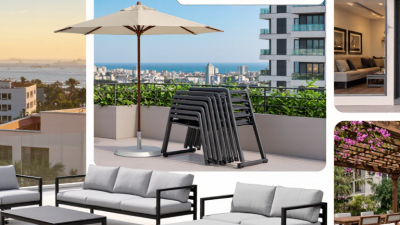
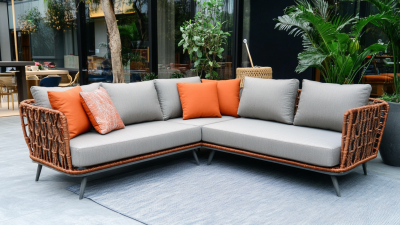
Common patio furniture styles include dining sets, lounge groupings, bistro pairs, and modular sectionals. Dining sets suit regular meals, with a table and chairs sized to fit the patio’s walking space. Lounge groupings pair a sofa or loveseat with chairs and a low table. They invite conversation, though deep cushions can crowd a narrow deck.
Keep it simple. A bistro set fits a small balcony; modular pieces can adapt when guests arrive.
Style shapes the feel as much as the layout. Clean-lined metal frames read as modern, while woven textures and pale cushions can feel more relaxed.
For exposed patios, check frame finishes, cushion fabrics, and drainage details before choosing. A beautiful set is less useful if rainwater pools in its cushions. Measure doorways, too; large sectionals can be awkward to carry through a tight entrance.
The market is growing, but market size does not tell shoppers which configuration works best. Grand View Research estimated the global outdoor furniture market at USD 50.07 billion in 2023 and projected 5.9% annual growth from 2024 to 2030.
These are industry estimates, not a guarantee of product durability or fit. One trade-off remains easy to miss: a larger set may offer more seats, but leave too little room to move comfortably.
When comparing patio furniture sets, sit before you judge. A deep seat may look inviting but press uncomfortably behind the knees. Check seat height, back support, and cushion firmness in person, if possible. The 2024 NAHB report What Home Buyers Really Want found that 86% of buyers considered a patio desirable or essential. That figure signals strong interest in outdoor living, but it cannot tell you which chair feels good after an hour.
Durability depends on materials and exposure. Aluminum frames resist rust, while untreated wood needs regular sealing. Woven resin is easy to rinse, though cheap weave can become brittle in strong sun. Ask whether the maker tested materials against ultraviolet exposure; ASTM G154 is a recognized accelerated-weathering test. A test is useful, not a promise of years outdoors. Coastal air and standing water still matter.
Maintenance changes the real cost of a set. Removable cushion covers are easier to clean, and quick-drying foam helps after rain. Read the care instructions before buying, not after the first stain. Houzz’s 2024 U.S. Outdoor Trends Study tracks homeowners’ outdoor upgrades, but renovation choices do not measure furniture lifespan. That gap matters. I would compare replacement cushion costs and winter storage needs alongside the price; I have underestimated both before.
Start with the space, not the furniture. Measure the patio’s length and width, then leave room for chairs to slide back and people to pass. A six-seat table can feel oversized beside a narrow door or grill. Mark the footprint with masking tape before buying; it is a simple test, but easy to skip. Think about how you use the area, too. A low lounge set suits relaxed evenings, while dining chairs need enough clearance around the table.
Climate should guide materials and upkeep. In wet or humid conditions, choose frames and fabrics designed to dry quickly, and check whether cushions need indoor storage. Strong sun can fade fabric and heat dark surfaces, so a shaded spot or removable umbrella may help. Windy patios need stable chairs and a table that will not shift easily. Shade matters. No material is completely maintenance-free, despite what a product label may imply.
Consider the routine you can realistically manage. If you rarely bring cushions indoors, prioritize quick-drying covers or a nearby storage bench. Rinse dust and pollen from surfaces, and follow care instructions for the specific material. A set that fits your climate but demands constant attention may not suit your household. There may be a compromise: lighter furniture is easier to move, but less stable in gusts. Check measurements, weight, and care needs before deciding.