
10 Best Outdoor Tents for Wholesale Buyers?

The outdoor accommodation market is expanding, but wholesale purchasing remains a practical, numbers-driven decision. The 2024 KOA North American Camping Report recorded 57.8 million camping households in 2023. That demand supports broader interest in reliable Outdoor Tent products across family camping, events, resorts, and rental programs. However, popularity alone does not guarantee wholesale success.

This guide examines 10 Best Outdoor Tents for Wholesale Buyers through a buyer’s lens. It considers capacity, fabric performance, waterproof ratings, ventilation, packed size, repairability, and supplier consistency. The Outdoor Industry Association reported that 175.8 million Americans participated in outdoor recreation during 2023. Meanwhile, Grand View Research identifies continued growth in the global camping equipment market, driven by leisure travel and improved product design. These figures suggest opportunity, but they do not replace product testing.

A strong wholesale tent must survive repeated handling, damp grass, sharp ground, and hurried packing. Buyers should inspect seam construction, pole materials, zipper performance, carton protection, and documented quality controls. Certifications and material claims should be verified directly with suppliers. A low unit price can become expensive after returns, damaged stock, or inconsistent batches. This is where many comparisons become too optimistic. We also need to admit a limitation: supplier samples rarely represent every production run. Practical field tests, clear specifications, and transparent communication remain essential. The final selection should match the buyer’s market, climate, storage capacity, and expected replacement cycle. A beautiful catalog image is not enough.
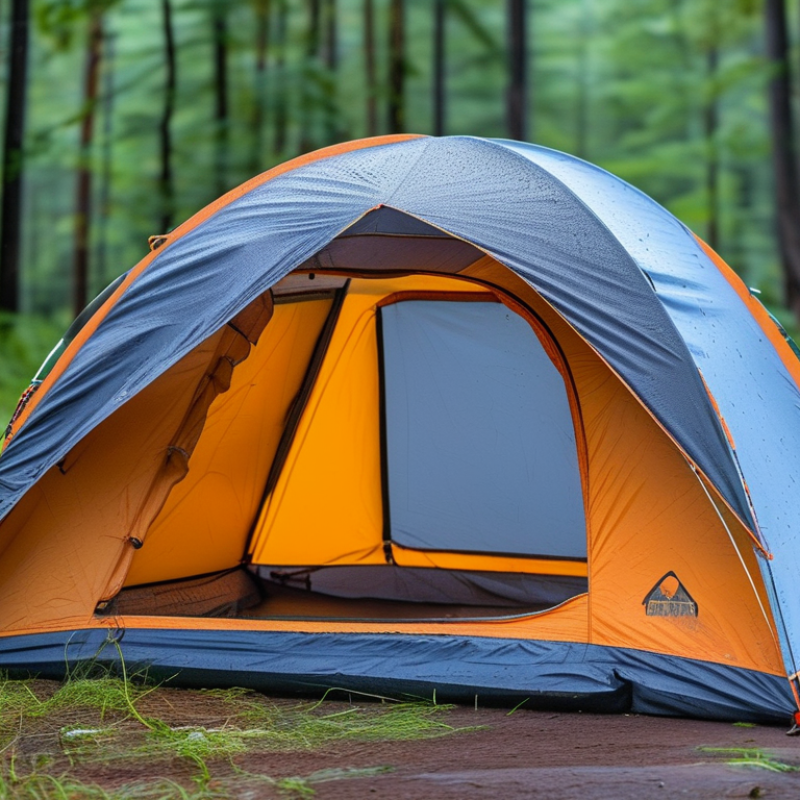
10 Best Outdoor Tents for Wholesale Buyers?

What Makes an Outdoor Tent Suitable for Wholesale?

A wholesale-ready outdoor tent must survive repeated handling, transport, and changing weather. Buyers should inspect fabric weight, seam quality, pole strength, and floor construction. Water resistance matters, but ventilation matters too. Condensation can damage customer trust.

Consistency is equally important. Every production batch should match approved samples in dimensions, color, stitching, and included accessories. Clear specifications help distributors compare costs and manage returns. Useful documents include material details, care instructions, packing dimensions, and test records. Safety information should be accurate and easy to understand.

Packaging affects profit. A compact carton lowers storage and freight pressure, while strong packaging reduces crushed corners and missing parts. Wholesale suppliers should also review minimum order quantities, lead times, replacement components, and communication speed. Small repairs matter. A spare pole or buckle can prevent a full product return.

Price alone is not enough. A very cheap tent may create higher costs through complaints and replacements. However, an expensive tent is not automatically suitable for every market. Local climate, customer skill levels, and retail space deserve attention. I have found that product reviews often reveal weaknesses missed during factory inspection. That is worth remembering. A reliable wholesale tent balances performance, presentation, repeatable quality, and realistic after-sales support.

How to Compare the Ten Best Outdoor Tent Types

Wholesale buyers should compare the ten main outdoor tent types by use, not appearance. Dome tents offer balanced stability and simple packing. Tunnel tents provide more living space but need stronger anchoring. Cabin tents suit family markets, while backpacking tents prioritize low weight. Four-season and geodesic models handle harsher weather, although their higher costs can slow turnover. Rooftop, pop-up, bell, and inflatable tents target narrower customer groups. Segment carefully.

The U.S. Bureau of Economic Analysis reported that outdoor recreation generated 639.5 billion dollars in 2023. This figure supports demand, but it does not guarantee equal sales across tent categories. The Outdoor Industry Association’s 2024 participation data also showed continued camping activity among millions of Americans. Wholesale comparisons should examine packed dimensions, fabric denier, waterproof ratings, ventilation, repair access, and replacement-pole availability. Small details matter.

Grand View Research identifies camping equipment as a growing global market, with expansion expected through 2030. However, market reports use different product definitions. Treat forecasts as direction, not certainty. I would request sample units before placing a large order. Test zippers in cold conditions, pour water over seams, and measure setup time with one person. A mistake here can become expensive. Retailers may prefer a slightly heavier tent if it feels safer and lasts longer. That assumption needs testing by region, season, and customer profile.

Key Materials, Designs, and Performance Features

Wholesale buyers should judge outdoor tents by materials, construction, and repeatable performance. The U.S. Bureau of Economic Analysis valued the outdoor recreation economy at about $639.5 billion in 2023. That demand rewards dependable products, not attractive samples alone.

For a ten-tent wholesale range, include polyester and nylon models with verified denier ratings. Higher-denier fabric usually improves abrasion resistance, but it can increase packed weight. Silicone-coated nylon offers strength and compact storage, while coated polyester resists moisture-related stretching. Check hydrostatic-head results, seam-taping quality, and floor construction. ISO 5912:2020 provides useful safety and performance requirements for camping tents. A bathtub floor should rise above wet ground. Small details matter.

Design variety should cover dome, tunnel, cabin, and instant structures. Dome tents suit changing weather and distribute wind loads efficiently. Tunnel designs create more living space, but need reliable guy lines. Cabin tents sell well for families, although their taller walls can struggle in strong wind. The Outdoor Industry Association’s 2024 participation report recorded continued high outdoor participation in the United States, supporting demand for varied use cases. Buyers should compare ventilation, vestibule size, pole materials, repair access, and packed dimensions. Mesh panels reduce condensation. They do not eliminate it. Field testing remains essential, because factory specifications can feel optimistic. A rushed sample inspection is still a costly mistake.

10 Best Outdoor Tents for Wholesale Buyers: Materials, Designs, and Performance Features

The chart compares representative wholesale tent categories by sleeping capacity, hydrostatic-head waterproofing, and packed weight. Typical performance values are based on commonly specified outdoor-tent materials and construction standards; buyers should verify supplier test reports, seam sealing, fabric denier, pole alloy, and certification details before ordering.

Materials
Common specifications include 190T–210T polyester or nylon flysheets, PU coatings, aluminum or fiberglass poles, and polyethylene or Oxford floor fabrics.
Design priorities
Dome and tunnel designs favor fast setup and weather resistance, while cabin and family layouts provide greater headroom and living space.
Wholesale selection
Balance capacity, packed weight, waterproofing, ventilation, repairability, packaging efficiency, and expected seasonal demand.

How to Evaluate Suppliers, Pricing, and Customization

Wholesale tent buying starts with supplier evidence, not attractive photographs. Request factory videos, material certificates, stitching samples, and recent inspection records. During sourcing checks, I found that clear test reports often exposed weak waterproof claims. Ask about production capacity, lead times, replacement policies, and quality checks before negotiating. A reliable supplier answers specific questions without avoiding difficult details.

Tips: Order a paid sample first. Test it outdoors for two nights. Check seams, zippers, poles, floor thickness, packing size, and setup time. Record problems with photographs. A sample is useful, but one sample cannot prove every production batch will match it.

Compare total landed cost, not only the unit quote. Include packaging, printing, freight, tooling, inspection, and possible defect allowances. I once focused too heavily on the lowest price; the savings disappeared after rework and delayed delivery. That mistake still matters. Ask for tiered pricing at different quantities, but confirm whether cheaper materials are being substituted. Payment terms should match measurable production milestones.

Customization needs practical limits. Confirm logo size, fabric color, label position, carton artwork, and minimum order quantities in writing. Request a digital proof and a physical approval sample before mass production. Minor changes can affect cutting patterns, waterproofing, or packing efficiency. Custom features also increase lead time, sometimes unexpectedly. Leave room for correction. A rushed approval may create thousands of identical mistakes. Reliable communication, documented specifications, and independent inspection provide stronger protection than promises.

How to Select the Right Tent Range for Your Market

How to Select the Right Tent Range for Your Market

Wholesale buyers should build a tent range around local demand, not catalog size. The Outdoor Industry Association reported 175.8 million U.S. outdoor participants in 2023. That figure grew by 4.2% year over year. It signals opportunity, but it does not define your customers. Urban campers may prefer compact two-person tents. Family markets often need standing height, vestibules, and stronger floor protection. Study weather, transport habits, and average trip length before choosing ten core models.

Mordor Intelligence estimates the global camping tent market will continue growing through 2029. Growth alone is not enough. A practical range should cover entry, mid-level, and premium use. Compare packed size, waterproof ratings, pole materials, repair access, and setup time. A tent that claims high water resistance may still disappoint if seams are weak. Ask suppliers for test reports, material specifications, and production samples. Check them under real rain, not only showroom lighting.

Stocking every size can create slow-moving inventory. A narrower range may protect cash flow. Include two lightweight models, several family options, and at least one cold-weather design. Add neutral colors for wider retail appeal. Bright colors can sell well, but not everywhere. I would review sales after one season and remove weak performers. That decision may be uncomfortable. Retail feedback often reveals mistakes that spreadsheets miss. Pricing should also include packaging, storage, returns, and seasonal markdowns.

Contact Us
