
10 Best Plastic Tarpaulin Suppliers for Global Buyers

Choosing a reliable Plastic Tarpaulin supplier takes more than comparing prices. Buyers need materials suited to real working conditions, from rain-soaked construction sites to sun-exposed farms and cargo yards. Fabric weight, coating, seam strength, eyelet spacing, and available sizes can all affect performance. Small details matter.

This guide introduces 10 suppliers for global buyers and explains what to compare before requesting a quotation. It considers product range, customization options, manufacturing capabilities, quality documentation, communication, and export experience. These factors can help buyers narrow their choices, but they do not guarantee that a supplier is right for every project. A low unit price may also mean little if packaging, lead times, or product specifications differ.

Treat supplier claims as a starting point. Ask for clear technical specifications, recent product samples, and written confirmation of order requirements. Check whether the stated fabric weight and dimensions match your intended use, and clarify how the supplier handles defects or delays. A sample can look convincing under warehouse lights, yet perform differently after weeks outdoors. That uncertainty deserves attention.

The companies featured here offer a practical starting list, not a substitute for independent checks. Needs vary by climate, application, order volume, and delivery destination. Compare like with like, and confirm important details before placing an order.
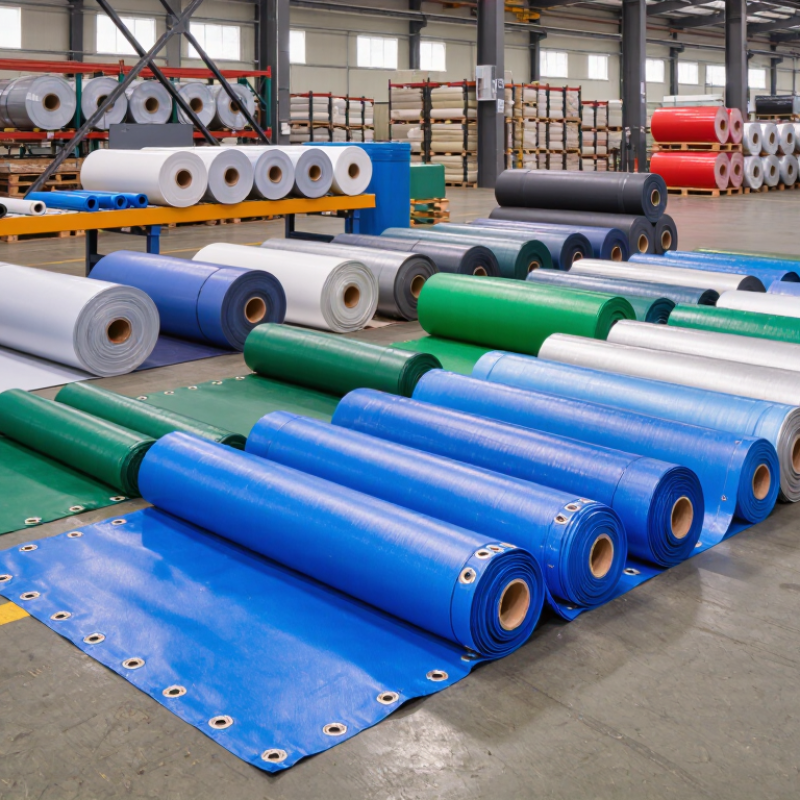
10 Best Plastic Tarpaulin Suppliers for Global Buyers

What Plastic Tarpaulins Are and How Global Buyers Use Them

Plastic tarpaulins are flexible sheets made from woven or laminated polymers, often polyethylene or PVC. Their coatings can help shed rain and resist dust, while reinforced edges and eyelets make them easier to secure. They are not all alike. Fabric weight, weave density, seam quality, and UV resistance affect how a sheet performs outdoors.

Global buyers use tarpaulins to cover building materials, agricultural goods, vehicles, and equipment during storage or transport. A sheet stretched over a load can reduce exposure to rain and dirt, but loose fastening may let wind catch it. Some grades suit brief, occasional use; heavier, UV-treated options may last longer in sustained outdoor conditions. Check the intended use, dimensions, and expected exposure before comparing supplier quotations.

Specifications matter. Ask suppliers how they measure fabric weight and describe coating, edge reinforcement, and weather resistance. Requesting a sample can reveal stiffness, finish, and stitching that a product sheet may not show. A specification sheet rarely captures every handling condition, and even careful buyers can misjudge wear from repeated folding or harsh sun. Tarpaulins can protect goods, but they are not a substitute for proper load restraint or purpose-built shelter.

How to Evaluate Plastic Tarpaulin Suppliers

A reliable tarpaulin supplier should provide measurable specifications, not vague claims such as “heavy duty.” Compare fabric weight, thickness, weave, coating, tensile strength, tear resistance, and seam strength. Ask for test reports tied to the exact product grade and production batch. ASTM D751 covers tests for coated fabrics, while ISO 4892 describes methods for assessing weathering. These references help buyers discuss performance consistently. They do not guarantee that every finished sheet will perform equally well.

Material transparency matters, too. The OECD’s Global Plastics Outlook reports that the world generated 353 million tonnes of plastic waste in 2019, and only 9% was recycled. This is not a tarpaulin-specific figure, but it makes recycled-content claims worth checking. Request documentation showing material composition and batch traceability. A neat certificate is not proof that every roll matches. Review how the supplier handles defects, replacement orders, and changes in raw materials.

Tips: Send a written specification and ask for a sample from the intended production grade. Check its weight and thickness, then inspect stitched or heat-sealed edges for gaps. Ask how UV exposure and water resistance were tested, and request the test conditions. If reports omit sample details, ask again. That extra step can feel tedious, but it may prevent costly surprises.

10 Best Plastic Tarpaulin Suppliers for Global Buyers: How to Evaluate Suppliers

Suggested 100-point buyer scorecard. Use these criteria to compare suppliers using verified product specifications, test reports, samples, and documented service terms. The weights are a practical evaluation framework, not supplier rankings or market-survey results.

How to use it: Score each supplier against the evidence available for every criterion, then apply the criterion’s point weight. Confirm material and performance claims through relevant test documentation and product samples.

Profiles of 10 Plastic Tarpaulin Suppliers Serving Global Markets

A useful supplier comparison should look beyond price and catalog photos. These ten profiles represent different operating strengths: integrated woven-fabric mills, coated-fabric producers, polyethylene sheet converters, reinforced-mesh makers, agricultural-cover specialists, construction-fabric suppliers, custom-print converters, cut-and-sew workshops, regional distributors, and private-label exporters. Each serves a different buying need. A distributor may ship quickly, while a mill may offer more control over fabric specifications.

Scale matters. Plastics Europe’s Plastics—The Fast Facts 2024 estimates that global plastics production reached 413.8 million tonnes in 2023. UNCTAD’s Review of Maritime Transport 2024 notes that more than 80% of world trade by volume travels by sea. For buyers, this makes production capacity, export packing, and delivery planning practical checks—not brochure details. Ask suppliers for fabric weight, coating type, tensile-strength test results, roll dimensions, and sample consistency. Small details matter.

The profiles should also compare minimum order quantities, customization, lead times, and after-sales support. Request a dated test report and confirm that its sample matches the quoted product. Ask for proof. A supplier’s stated UV resistance or waterproof performance is not enough without test conditions. Some vendors publish clearer data than others; that gap deserves scrutiny, not an automatic rejection. A small trial order can reveal uneven coating, weak hems, or awkward roll handling before a larger shipment.

Comparing Supplier Capabilities, Product Ranges, and Certifications

A useful comparison of plastic tarpaulin suppliers starts with the conditions the cover must withstand. Ask about fabric weight, weave density, coating type, and reinforced edges. These details affect tear resistance and water protection. A supplier serving construction sites may offer heavy-duty sheets, while an agricultural buyer may need UV-resistant covers in several sizes. Compare samples when possible. A product sheet alone cannot show how a tarp handles repeated folding or rough ground.

Product range matters, but so does production capability. Check whether the supplier can maintain consistent thickness, color, and dimensions across repeat orders. Ask about lead times, testing methods, and how defects are handled. Certifications can support confidence, yet their scope matters: verify the issuing body, covered product, and expiry date. One certificate may apply to a factory process, not every tarp it sells. A comparison table helps, but it can create false confidence if the answers are vague. Samples and clear written specifications remain useful checks.

Tips: Request a sample and confirm its weight and dimensions. Ask for current certificates, not just logos. Note any unanswered questions; small gaps can become costly surprises.

How to Choose a Supplier and Manage International Sourcing

Choosing a plastic tarpaulin supplier starts with a clear specification. Record the finished size, fabric weight, coating type, color, and eyelet spacing. Ask how these details are measured, since “heavy duty” can mean different things. Request a sample and compare its thickness, seams, and edge reinforcement with the written quote. Ask for recent inspection records and production capacity, not just a polished product sheet. A small test order can reveal issues before a larger shipment. It may feel slower. It often saves rework.

International sourcing also depends on communication and shipment planning. Confirm packaging dimensions, shipping terms, lead time, payment milestones, and who handles export documents. Have the supplier confirm the final specifications in writing before production begins. For quality checks, agree on acceptable tolerances and inspection timing. Photos help, but they cannot show every defect. An independent pre-shipment inspection may be worthwhile for a high-value order. I have seen buyers focus on unit price and overlook freight volume; bulky rolls can change the landed cost considerably. That is an easy miss.

Tips: Compare total landed cost, not just the quoted price. Keep one approved sample as a reference. Ask for written updates at key production stages. If answers stay vague, pause and clarify before paying a deposit.

10 Best Plastic Tarpaulin Suppliers for Global Buyers — How to Choose a Supplier and Manage International Sourcing
Supplier Profile Typical Product Focus Potential Strength Best Suited For Key Checks Before Ordering International Sourcing Consideration
Integrated PE Tarpaulin Manufacturer Woven polyethylene fabric with laminated or coated surfaces Can coordinate fabric production, coating, cutting, and finishing Buyers seeking repeat orders or multiple construction options Fabric construction, finished weight, coating, dimensions, edge reinforcement, and sample consistency Confirm production capacity, inspection stages, export packing, and agreed shipment schedule
PE Tarpaulin Converter Cut, hemmed, eyeleted, or otherwise finished PE covers May offer flexibility in finished sizes and packaging Importers with defined sizes, retail packs, or project-specific formats Eyelet material and spacing, hem construction, corner reinforcement, size tolerance, and packing list accuracy Provide a dimensioned drawing and written finishing specification with the purchase order
PVC-Coated Fabric Specialist Heavier coated fabrics for reusable covers and industrial applications Can focus on coating performance, welding, and reinforced fabrication Commercial or industrial buyers needing durable, made-to-order covers Base-fabric details, coating type, seam method, low-temperature requirements, and applicable test reports Clarify product weight and performance requirements; these vary by construction and intended use
Multi-Material Outdoor-Cover Manufacturer PE tarpaulins alongside other outdoor protective covers May consolidate related cover products in one sourcing program Buyers purchasing several types of protective covers Whether each material is made in-house or sourced, plus separate specifications for every item Check that mixed-product orders have compatible production timelines and shipment documentation
Custom OEM Exporter Private-label or buyer-specified tarpaulins and packaging Can coordinate custom artwork, carton marking, and product specifications Importers and distributors with their own product requirements Artwork approval, packaging samples, labeling rules, intellectual-property permissions, and final inspection criteria Approve pre-production samples and shipping marks before bulk production
Regional Import Distributor Stocked tarpaulins in commonly requested sizes and grades Local inventory can support smaller or faster replenishment orders Buyers prioritizing availability, local service, or smaller order quantities Stock status, country of origin, product specification, warranty terms, and replacement availability Compare landed cost and delivery terms with direct-import options; confirm local product compliance
Project-Focused Fabricator Oversized, shaped, reinforced, or application-specific covers May provide drawing review and made-to-measure fabrication Construction, agriculture, transport, or equipment-cover projects Measurements, load and exposure assumptions, seam details, reinforcement points, and installation method Use a signed drawing and identify responsibility for measurement approval before manufacture
Recycled-Content Product Supplier Tarpaulins marketed with recycled material content or other environmental attributes May support procurement targets that include recycled-content requirements Organizations with documented sustainability purchasing criteria Recycled-content percentage, chain-of-custody evidence, test methods, and claim documentation Request verifiable supporting documents; do not rely on environmental claims alone
Small-Batch Custom Converter Short runs, special dimensions, and selected finishing options Potentially adaptable for trials or niche applications New product testing, replacement covers, or limited-volume orders Minimum order quantity, setup charges, material availability, sample lead time, and repeat-order consistency Confirm whether the quoted price includes tooling, packaging, and export preparation
Trading and Sourcing Supplier Products sourced from one or more manufacturing facilities May offer access to a broader product range and consolidated communication Buyers who need sourcing coordination across multiple product types Actual factory identity, production-site audit access, quality-control responsibility, and traceability Confirm who is the seller of record, who handles defects, and which party issues export documents

Buyer note: These are supplier profiles, not named companies or a verified ranking. Product availability, minimum order quantities, specifications, prices, and lead times vary by supplier and order. Compare written quotations against the same specification and verify samples, test documents, payment terms, Incoterms, and shipment responsibilities before placing an order.

Contact Us
