How to Buy a Folding House for Your Next Project?
Buying a Folding House is an exciting venture. This innovative housing solution offers flexibility and efficiency for various projects. According to James Miller, a renowned expert in sustainable architecture, "Folding Houses represent a breakthrough in modern living."
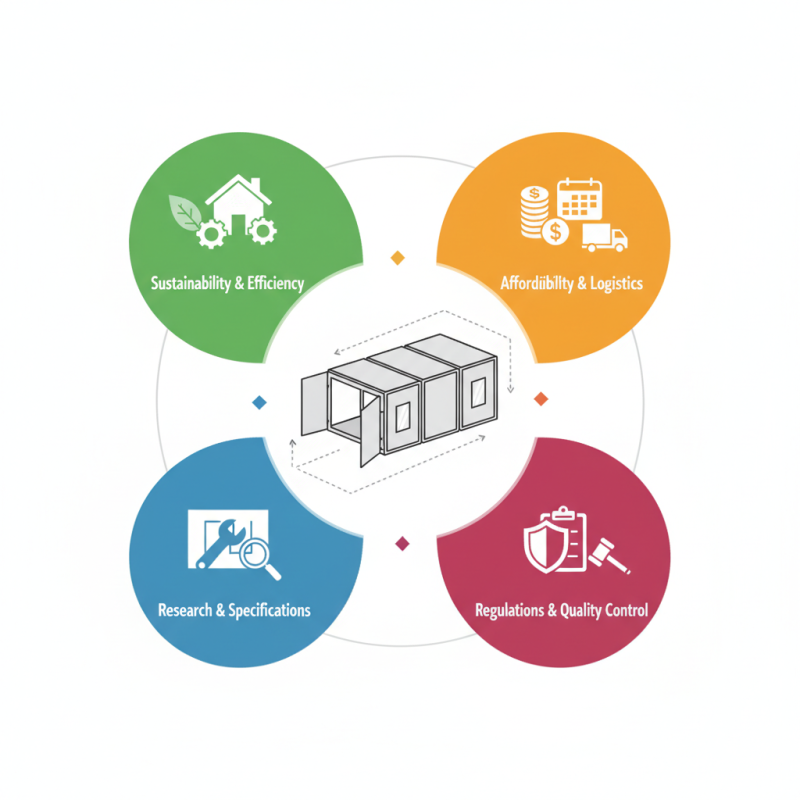
As the demand for affordable and sustainable housing rises, Folding Houses have captured attention. These structures are designed for quick assembly and disassembly, making them ideal for diverse applications. However, potential buyers should be cautious. Understanding the product specifications and local regulations is crucial.
Before committing to a Folding House, thorough research is essential. Evaluating materials, construction quality, and delivery options can prevent costly mistakes. Embracing this new concept can be a bold step, but it requires careful thought and planning. This journey may include challenges, but the potential rewards are significant.
Understanding the Concept of Folding Houses and Their Benefits
The concept of folding houses is revolutionizing the construction industry. These innovative structures are designed to maximize space and minimize waste. Reports indicate that the market for modular and folding homes is expected to grow significantly, with projections suggesting an increase of 25% by 2025. Folding houses are not only efficient, but they are also eco-friendly. This sustainability aspect appeals to a growing number of environmentally conscious buyers.
Folding houses provide flexibility in design and functionality. They are often prefabricated, which means reduced labor costs and shorter construction times. A notable benefit is that they can be disassembled and relocated easily. This adaptability suits various lifestyles and needs, ranging from temporary housing to permanent residences. However, potential buyers must consider zoning laws and land suitability before making a purchase.
**Tip:** Always research local regulations regarding folding houses. Some areas may have specific requirements.
Another significant advantage is their energy efficiency. Many folding houses incorporate modern insulation and renewable energy options. Data shows that homeowners can reduce energy costs by up to 30% with well-designed folding houses. Yet, it’s essential to evaluate the initial investment and long-term savings to make informed decisions. Understanding these pros and cons will help you navigate the market wisely.
**Tip:** Create a budget that includes both the initial cost and ongoing expenses.
How to Buy a Folding House for Your Next Project?
| Feature | Description | Benefits |
| Portability | Folding houses can be easily transported to different locations. | Ideal for projects that require mobility. |
| Cost-Effectiveness | Generally more affordable than traditional construction. | Saves on labor and material costs. |
| Quick Setup | Can be set up in a fraction of the time of a traditional home. | Allows for faster project completion. |
| Sustainability | Often made with eco-friendly materials and efficient designs. | Reduces the environmental impact of housing. |
| Customizability | Can be tailored to meet specific needs and preferences. | Provides flexibility in design and functionality. |
Key Factors to Consider When Choosing a Folding House for Your Project
When choosing a folding house for your next project, consider durability first. Materials should withstand various weather conditions. Look for proven options, such as high-quality steel or durable wood. These choices enhance safety and long-term use. Structural integrity is crucial.
Next, think about design flexibility. A folding house should adapt to your needs. Check if the layout can be customized based on your project requirements. This can save time and money in the long run. Also, consider energy efficiency. Insulation and energy-saving features can reduce living costs.
Lastly, think about the assembly process. Some models require professional installation, while others allow for DIY setups. This choice impacts your budget and timeline. It’s essential to weigh the pros and cons. Keep in mind, not every option is a perfect fit. Take your time to evaluate each aspect carefully.
Comparative Costs: Folding Houses vs. Traditional Construction Methods
Folding houses offer a unique alternative to traditional construction methods. They are gaining popularity due to their cost-effectiveness and flexibility. The average cost of a folding house can be significantly lower than that of a conventional home. On average, potential buyers can expect to pay around 20% less. However, the costs can vary based on location and design choices.
In terms of construction time, folding houses can also shine. They can be assembled in a fraction of the time—often within days. This rapid completion means homeowners can move in sooner. Despite these advantages, some may question the long-term durability of folding houses. They may not have the same life span as traditional homes. Environmental factors can influence durability, requiring ongoing maintenance to ensure longevity.
When deciding, it’s essential to consider local regulations and zoning laws. Some areas may restrict the use of folding homes, which can complicate your project. Research is crucial to ensure a smooth process. Reflecting on these aspects can guide buyers in choosing the best option for their specific needs.
Cost Comparison: Folding Houses vs. Traditional Construction Methods
Sourcing and Manufacturers: Where to Buy High-Quality Folding Houses
When sourcing a folding house, it’s essential to focus on quality and reliability. Begin by researching various manufacturers known for their expertise in modular and portable housing. Look for companies with solid reputations and extensive experience in the field. Check their credentials and see if they have industry certifications. This can provide assurance about their product quality.
Next, consider visiting trade shows or industry expos. These events offer a firsthand look at different folding house models. You can meet manufacturers directly and ask important questions. This personal interaction helps to gauge the level of customer service they provide. Pay attention to the materials used in their designs and the customization options available.
It’s also wise to read reviews from other customers. Look for testimonials that highlight durability and functionality. However, be critical; not all reviews reflect the true quality of a product. Be mindful that not every manufacturer will meet your expectations. It’s important to clarify what your needs are and check if they can meet those demands. This thoughtful approach will lead to a more satisfactory purchase decision.
Building Regulations and Permits for Folding Houses in Your Area
Building a folding house can be an exciting project. However, understanding local building regulations is crucial. Each area has specific codes that dictate what is permissible. Failing to comply can lead to delays and unanticipated costs. It’s essential to research your local zoning laws and building codes before making any purchases.
Permits are often required for structural changes and construction. You may need to submit plans and undergo inspections. Be prepared for potential challenges in the application process. Sometimes, approvals take longer than expected. Gathering all necessary documentation in advance can ease this process. It’s smart to consult with a local expert who understands these regulations. They can provide invaluable guidance, especially if you're in an area with strict rules.
While the thrill of creating a unique structure is enticing, the practical side can't be ignored. Make sure your plans align with safety standards. Inspectments help ensure your folding house meets required criteria. You might discover unexpected changes are necessary to meet regulations. Remain flexible and ready to adapt to new information as you move forward.


 English
 España
 عرب
عرب 简体中文
简体中文