China Best Plastic Cosmetic Bottles Supplier?
Choosing a China supplier for Plastic Cosmetic Bottles involves more than comparing catalog prices. Packaging affects product protection, brand perception, filling efficiency, and customer trust. A bottle may look attractive online but fail during transport, pumping, or repeated use.
This introduction examines how to evaluate reliable Chinese manufacturers through practical and verifiable criteria. It considers material selection, including PET, HDPE, and PP, along with bottle capacity, wall thickness, neck size, closures, pumps, and decoration options. Small details matter. A loose pump can create costly leakage. Uneven coloring can weaken a premium product’s appearance. Samples should be tested with the actual formula, not only displayed on a showroom table.
Supplier experience deserves close attention. Review factory capabilities, quality-control procedures, production equipment, export history, and communication practices. Request samples, inspection records, material information, and clear packaging specifications. Independent audits or third-party testing can provide additional confidence. However, no document replaces careful verification.
Price still matters.
The lowest quotation may hide higher defect rates, unstable lead times, or expensive rework. A dependable supplier should explain minimum order quantities, mold charges, sampling timelines, production schedules, and after-sales support. Claims about sustainability also require evidence, such as recycled-content data or recognized certifications.
This guide does not assume every established supplier is perfect. Mistakes can occur, and vague requirements often create avoidable problems. A thoughtful buyer should challenge assumptions, record test results, and improve specifications after each sample round. That disciplined process helps identify a China supplier capable of delivering Plastic Cosmetic Bottles consistently, safely, and professionally.
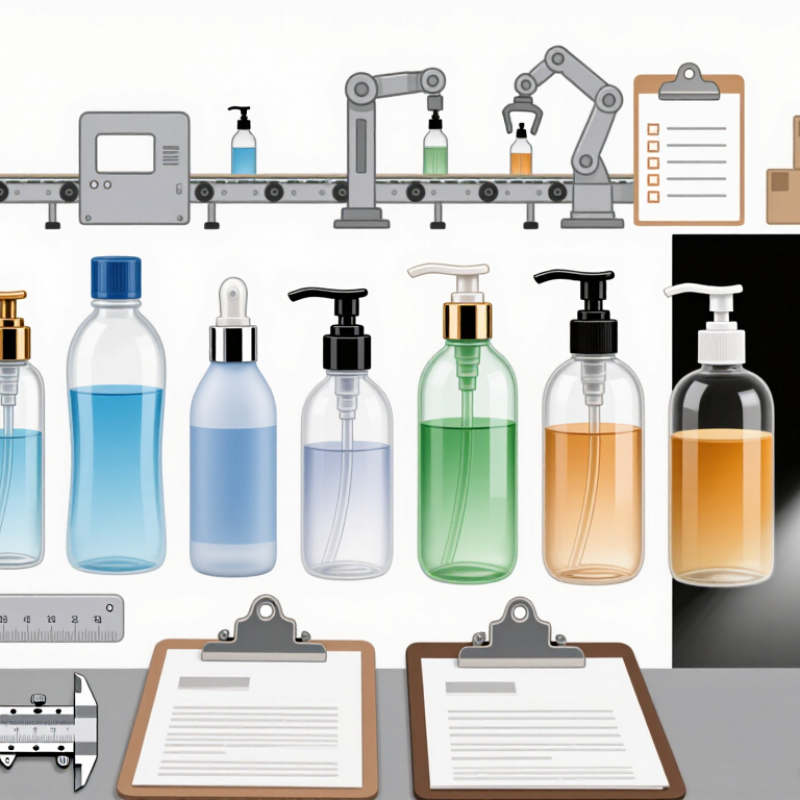
What Makes China a Leading Supplier of Plastic Cosmetic Bottles
China has become a leading supplier of plastic cosmetic bottles through manufacturing depth, flexible production, and strong packaging expertise. Many factories operate injection molding, blow molding, printing, and assembly lines under one roof. This structure can reduce coordination time and support consistent output.
Production choices are highly adaptable. Suppliers can develop pump bottles, dropper containers, jars, and travel-size packaging in different shapes and capacities. Engineers typically review resin selection, wall thickness, closure fit, and product compatibility before mass production. Polyethylene terephthalate offers clarity and a polished appearance. Polypropylene often suits lightweight containers and durable caps.
Quality control should cover dimensions, leakage, torque, color consistency, and surface defects. Reliable suppliers provide samples, inspection records, and traceable production information.
They should also discuss applicable packaging requirements for the target market. A low price alone proves little. A fast quotation can hide tooling limits or weak inspection practices.
Experience still requires careful checking. Even an established factory may deliver uneven results when specifications remain vague. Clear drawings, approved samples, and written tolerances reduce misunderstandings. Factory audits and third-party inspections add confidence. Some buyers also overlook carton strength and transport conditions. That mistake can damage good bottles before they reach customers. China leads because it combines scale with practical customization, but successful sourcing depends on disciplined communication and verification.
Key Types of Plastic Cosmetic Bottles Made in China
China Best Plastic Cosmetic Bottles Supplier?
Chinese manufacturers produce several practical bottle types for skincare, haircare, and personal-care formulas. PET bottles offer clear visibility, light weight, and good impact resistance. HDPE bottles provide stronger chemical resistance and a softer, opaque appearance. PP bottles suit lightweight packs, especially travel-size containers. Airless bottles help limit repeated air exposure during dispensing. Lotion pumps, fine-mist sprayers, dropper bottles, and disc-top caps complete the main formats.
Grand View Research valued the global cosmetic packaging market at about USD 32.7 billion in 2023. Its report also projects continued growth through 2030. Smithers identifies recyclability and post-consumer recycled content as important packaging development areas. These figures matter when comparing Chinese suppliers. A low unit price is not enough. Buyers should inspect resin grade, wall thickness, neck finish, pump dosage, and leakage-test records. In practice, a beautiful sample may still fail after transport. That is an uncomfortable detail.
Tips: Request samples in the final resin and color. Test them with your actual formula for at least two weeks. Check spray output, cap torque, drop resistance, and label adhesion. Ask for migration, material, and quality documents from an independent laboratory when needed. Recycled plastic can reduce virgin-material use, but shade variation may appear. No single bottle type wins every brief.
How Chinese Cosmetic Bottle Suppliers Manage Quality and Safety
China Best Plastic Cosmetic Bottles Supplier?
How Chinese Cosmetic Bottle Suppliers Manage Quality and Safety
Reliable Chinese cosmetic bottle suppliers control quality from raw materials to final packing. They check resin certificates, color consistency, odor, and material performance before production. Each batch should carry a traceable code. This makes problems easier to locate.
On the factory floor, inspectors measure neck size, wall thickness, weight, and cap fit. They also perform leak tests, drop tests, torque checks, and repeated opening tests. A bottle may look perfect but still fail during filling. Compatibility testing with oils, alcohol-based formulas, or active ingredients can reveal swelling, cracking, or color changes. Small details matter.
Good suppliers keep production samples, inspection records, and packaging photographs. They can provide test reports from qualified laboratories when required by the target market. However, paperwork alone is not proof. It should match the actual batch shipped. Some factories still rely too heavily on visual inspection. That is a weakness worth questioning. Clear approval samples, defined tolerances, and independent testing can reduce this risk. Buyers should also review cleaning procedures, worker training, storage conditions, and transport protection. Safety is not a single inspection. It is a repeated discipline.
How to Select the Right Chinese Cosmetic Bottle Supplier
Selecting a Chinese cosmetic bottle supplier requires more than comparing prices. Start by matching the supplier’s equipment to your bottle design. Ask about resin types, molding methods, neck finishes, and decoration limits. Request recent samples, not only catalogue pieces. Hold each bottle under bright light. Look for seams, cloudy patches, uneven walls, and loose caps. Small defects can become filling-line problems.
A serious evaluation should include a factory video call or scheduled audit. Review incoming-material checks, mold maintenance, clean production areas, and final inspection records. Ask how they control color, weight, leakage, and print alignment. Confirm batch traceability from raw material to shipment. Request relevant material documentation and independent testing when needed. The supplier should explain packaging, carton strength, lead time, minimum order quantity, and replacement procedures. Written answers matter. Verbal promises are easy to misunderstand.
Communication deserves equal attention. Send a drawing with dimensions, tolerance ranges, pump requirements, and filling conditions. Test samples with your actual product, especially oils, alcohol-based formulas, or thick creams. A bottle that works with water may fail after several weeks. Stay skeptical. Do not select the lowest quotation automatically. A cheaper cap, weak carton, or delayed mold can cost more later. Keep a scored comparison sheet and record every change. The process is rarely perfect. One overlooked tolerance can force a redesign, so allow time for another sample round before approving mass production.
Plastic Resin Density Comparison for Cosmetic Bottles
Typical resin density affects bottle weight, shipping efficiency, and material selection. PP and HDPE are relatively lightweight, while PET has a higher density and often provides greater clarity and stiffness. When selecting a Chinese cosmetic bottle supplier, compare the proposed resin grade, wall thickness, closure fit, and quality-control records rather than judging suppliers by price alone.
Values shown are typical material-density averages in g/cm³; actual density varies by grade, additives, and manufacturing process.


 English
 España
 عرب
 简体中文

