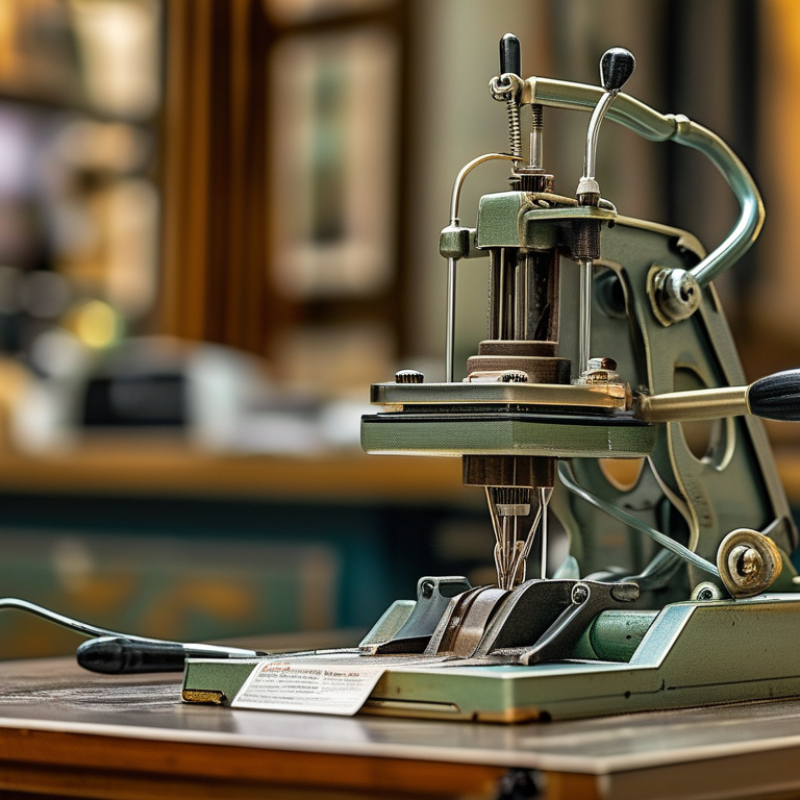
How to Choose the Best Stringing Machine for Your Needs?
Choosing the right Stringing Machine is crucial for optimal performance. A good stringing machine can affect your game. It enhances the feel of your racquet. However, not all machines meet everyone's needs. Understanding your preferences is key in making a choice.
Different players require different machines. Some prioritize speed, while others focus on precision. Manual machines can offer accuracy but may take longer. Automated machines save time but can be complex. Evaluating these aspects is important.
Budget also plays a role in your decision. High-end machines offer superior features, but they often come at a steep price. Do you really need those features? Reflecting on your playing style can lead to a better choice. Investing time in research will guide you toward a suitable stringing machine.
Understanding Your Stringing Needs and Preferences
Selecting the right stringing machine hinges on understanding your unique stringing needs and preferences. Players often overlook how their playing style affects string tension and material choice. For example, a report from the International Tennis Federation indicated that 65% of recreational players prefer a tension range between 22-25 kg. This data suggests a consideration of both ease of use and functionality in your selection process.
Players with advanced techniques may favor a machine that allows precision adjustments. The varying play levels should guide you in choosing between manual and electronic machines. Manual machines are often favored by those who appreciate the tactile feedback during stringing. On the other hand, electronic machines can deliver consistent results for more serious players.
**Tip:** Always consider your playing frequency. If you string frequently, a machine with faster stringing times can greatly enhance your efficiency. Consider the space you have available. Some machines require more room for setup and operation.
Understanding your preferences can also mean reflecting on previous stringing experiences. Some stringers enjoy experimenting with different materials, while others prefer tried-and-true setups. Remember, it’s not just about the machine; it’s about how it complements your game.
How to Choose the Best Stringing Machine for Your Needs?
| Feature | Description | Importance Level |
| Stringing Type | Manual or Electronic | High |
| Budget | Cost range suitable for your needs | Medium |
| Portability | Ease of transport | Medium |
| User Level | Beginner, Intermediate, or Advanced | High |
| Stringing Speed | How fast the machine can string | Medium |
| Build Quality | Durability and material quality | High |
| Calibration | Precision of tension settings | High |
Types of Stringing Machines and Their Features
When it comes to stringing machines, understanding their types and features is crucial. Manual stringing machines require more skill but offer precise control. They typically have a simple design that allows users to adjust tension easily. These machines may not be the fastest, but they provide a hands-on experience that many experienced stringers appreciate.
On the other hand, electronic stringing machines streamline the process. They automatically adjust tension and have pre-set options for various racquets. This can save time and reduce the risk of human error. However, they can be more complex and require a learning curve. Some players may find them less engaging due to less manual input.
Tips: When choosing a machine, consider your skill level. A manual machine is great for learning. If you’re looking to string regularly, an electronic option might be worth the investment. Always prioritize reliability. Look for machines with good reviews and customer feedback to ensure they are trusted. Don’t rush into a purchase. Take time to assess your specific needs and usage patterns.
Key Factors to Consider When Selecting a Machine
When selecting a stringing machine, several critical factors require attention. First, consider the machine type: manual versus electric. Manual machines offer more control, while electric machines provide speed and consistency. According to the U.S. Tennis Association, a significant percentage of players prefer electric stringers for their efficiency, especially in high-demand environments.
String tension is another important aspect. Different players have varying preferences, impacting racket performance. Recent studies indicate that a tighter string tension can enhance control, while looser tension increases power and comfort. Thus, players need to assess their playing style and skill level when determining their ideal tension range.
Lastly, durability and maintenance cannot be overlooked. Machines made from high-quality materials tend to last longer and withstand frequent use. However, some users may find that cheaper models require more frequent repairs, which can be frustrating. It's crucial to weigh initial cost against long-term maintenance expenses. Investing in a reliable machine often leads to better performance and saves time in the long run. Reflecting on these factors can help players make a better-informed decision.
Stringing Machine Selection Criteria
Budgeting for Your Stringing Machine Investment
When budgeting for a stringing machine, it’s essential to start with a clear understanding of your needs. According to industry reports, a quality stringing machine can range from $150 to over $2,000. The price often reflects features, durability, and precision. It's wise to identify whether you require a simple manual machine or a high-tech electronic model.
Consider your frequency of use. If you string racquets occasionally, a mid-range machine could suffice. However, for regular stringing or business use, investing in a higher-end model is beneficial. A report from the Sports Equipment Manufacturers Association indicates that approximately 30% of racquet sports enthusiasts prefer machines with advanced tension settings. This precision can significantly enhance the playability of your equipment.
Don’t overlook maintenance costs. Budgeting should account for replacement parts and accessories, which can add up. For instance, clamps, stringing tools, and tension meters might need replacement every few months. The average cost of maintaining a mid-tier machine is about $50 annually. This ongoing expense highlights the importance of selecting a machine that aligns not just with your immediate budget but also with your long-term needs.
Maintenance and Support for Long-Term Use
Maintaining your stringing machine is crucial for its longevity and performance. Regularly inspect and clean the machine to prevent dust accumulation. According to industry research, well-maintained stringing machines can last up to 10 years without significant issues. Keeping your equipment in top condition not only saves money but also ensures precision in your work.
Tips: Always check the tension calibration before each use. This simple step can improve your stringing accuracy. Additionally, lubricate the moving parts frequently. A little maintenance goes a long way.
Consider the support options from manufacturers. Many offer manuals, online tutorials, or customer service for troubleshooting. An informed user is a better user. Research shows that access to good support can reduce downtime by 30%. Make sure you have the resources you need to resolve any potential issues. Being proactive about maintenance and support will ultimately enhance your overall stringing experience.


 English
 España
 عرب
عرب 简体中文
简体中文