Why Choose Outdoor Poly Furniture for Your Patio Needs?
When it comes to enhancing your outdoor living space, Outdoor Poly Furniture stands out as an exceptional choice. This type of furniture combines durability and style, making it ideal for patios. Crafted from high-density polyethylene, it offers more than just aesthetic appeal. It is resistant to fading, cracking, and weight issues.
The right furniture transforms an outdoor area. Imagine enjoying a sunny afternoon on a comfortable poly lounge chair. This is a vision supported by quality and longevity. However, some may question the initial investment. In the long run, Outdoor Poly Furniture proves cost-effective due to its low maintenance and durability.
Choosing Outdoor Poly Furniture reflects a commitment to both style and practicality. Your decisions should consider how much time you spend outdoors. The comfort and versatility of this type of furniture often lead to greater enjoyment of your patio. While every choice carries some uncertainty, the benefits of poly furniture are clear.
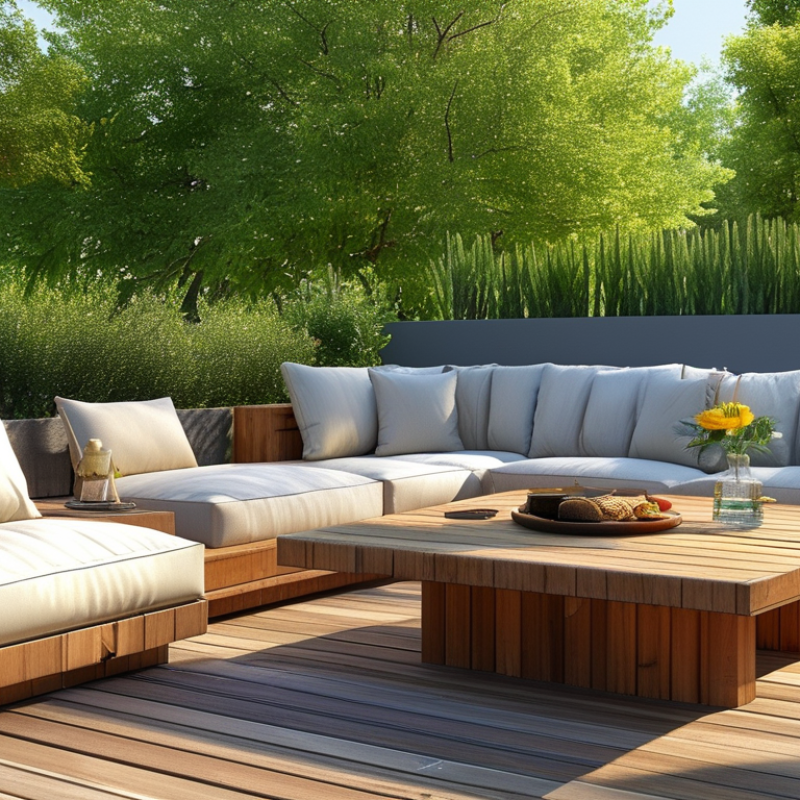
Benefits of Outdoor Poly Furniture: Durability and Resistance to Elements
When it comes to outdoor spaces, durability is key. Outdoor poly furniture offers exceptional resistance to various elements, lasting years longer than traditional materials. According to a study by the Outdoor Furniture Furniture Association, poly furniture can withstand extreme temperatures and UV rays without fading or cracking. This longevity makes it a smart investment for any patio.
The material’s construction is impressive, as it is made from recycled plastics. This means it can endure rain, snow, and intense sunlight. The lifespan of poly furniture can exceed 20 years with minimal maintenance. Proper cleaning is all that's needed to keep it looking fresh. Just wash it down with soap and water, and you’re done.
Tips for maintaining your poly furniture include placing it in a shaded area during peak sunlight hours to minimize color fading. Regularly check for any minor scratches and buff them out to maintain its aesthetic appeal. Remember that while poly furniture is low maintenance, it’s still beneficial to protect it from severe weather extremes when possible. Choosing outdoor poly furniture ensures that your patio remains stylish and functional, year after year.
Why Choose Outdoor Poly Furniture for Your Patio Needs?
| Feature |
Description |
Benefit |
| Durability |
Made from high-density polyethylene (HDPE), resistant to cracking and splintering. |
Lasts longer than traditional wood furniture, reducing the need for replacements. |
| Weather Resistance |
Withstands harsh weather conditions, including rain, snow, and sun exposure. |
Remains functional and visually appealing throughout the seasons. |
| Low Maintenance |
Requires minimal upkeep; no painting or staining needed. |
Saves time and cost in maintenance expenses over the years. |
| Eco-Friendly |
Made from recycled materials and fully recyclable at the end of its life cycle. |
Contributes to environmental sustainability and reduces waste. |
| Color Retention |
Color is infused throughout the material, preventing fading or chipping. |
Maintains its vibrant appearance longer than painted surfaces. |
Environmental Impact: The Sustainability of Poly Furniture Materials
Outdoor poly furniture has gained popularity for its environmental benefits. Made from recycled plastics, its production helps reduce waste. According to the American Chemistry Council, over 9 million tons of plastic waste are generated each year. Poly furniture utilizes a significant portion of this waste, diverting it from landfills.
This material is durable and weather-resistant. It can withstand harsh conditions without fading or cracking. In fact, studies show that poly furniture can last up to 50 years with proper care. This longevity reduces the need for frequent replacements, further lowering its environmental footprint.
However, it’s essential to consider the entire lifecycle of poly furniture. The energy required for production can be high. Some reports indicate that manufacturing poly products may contribute to greenhouse gas emissions. This factor could raise questions about its overall sustainability. Balancing durability with these environmental impacts is crucial for informed choices. As consumers, we must reflect on what eco-friendly truly means in our purchasing decisions.
Cost-Effectiveness: Long-Term Savings with Poly Furniture Investments
Investing in outdoor poly furniture can lead to significant long-term savings. This material is designed for durability, resisting the elements and wear over time. Unlike traditional wood, poly does not rot or splinter. It's a sound choice for those seeking to reduce replacement costs.
Many may overlook the initial price point of poly furniture. However, consider the ongoing maintenance expenses of wood alternatives. Sanding, staining, and sealing wood can add up quickly. Over time, these costs make poly furniture the more economical option. A little extra spent upfront can lead to years of savings.
The aesthetic appeal of poly furniture shouldn't be ignored. With a range of colors and styles available, it's easy to find something that complements your outdoor space. Yet, some might find it lacks the natural look of wood. This is a valid concern. But the trade-off for longevity and low maintenance is often worth it. Embracing the advantages of poly leads to a more relaxed outdoor experience without the hassle of upkeep.
Design Versatility: Styles and Colors for Any Patio Aesthetic
When it comes to outdoor spaces, design versatility is key. Poly furniture offers a wide range of styles and colors to cater to any patio aesthetic. Whether you prefer a modern minimalistic look or a classic coastal vibe, there’s something for everyone. Picture sleek, streamlined chairs in a vibrant blue or rustic tables in earthy tones. The options allow for personalization, helping you express your taste effectively.
Colors do more than decorate; they influence mood and atmosphere. A bright yellow bench can bring a sunny vibe, while muted shades offer a calming retreat. Choose shades that resonate with your landscape. Pairing the right colors with furniture style creates visual harmony. However, be mindful of how colors interact with the surrounding environment. Sometimes the perfect hue may clash, leading to unexpected results that don't quite match your vision.
Material selection is equally important. Poly furniture mimics natural wood, providing that cozy feel without the maintenance. However, some designs may lack authentic charm, resulting in a slightly plastic appearance. It’s essential to weigh practicality against aesthetics. In the end, finding a balance will define your patio's character, allowing it to be a true reflection of your style and needs.
Maintenance Comparison: Poly Furniture vs. Traditional Materials
When it comes to outdoor furniture, maintenance is key. Traditional materials, like wood and metal, often require significant upkeep. For example, wooden furniture needs regular sanding, staining, and even sealing to withstand moisture and insects. Metal can rust and requires frequent painting or protective coatings. This constant effort can be exhausting for busy homeowners.
In contrast, poly furniture stands out for its ease of maintenance. It resists fading and does not require painting or refinishing. A simple soap-and-water wash is usually enough to keep it looking fresh. This furniture is made from recycled materials and can handle diverse weather conditions. You can leave it outside year-round without worries. However, some may find it less visually appealing than traditional wood. It's important to weigh aesthetic preferences against practical benefits.
Opting for poly furniture means spending less time on maintenance. It's a smart choice for busy lifestyles. However, durability can vary by manufacturer. Research and thoughtful selection are essential. Ultimately, each option has merits and drawbacks. Choosing the right one should fit your lifestyle and taste.
Outdoor Poly Furniture vs. Traditional Materials: Maintenance Comparison


 English
 España
 عرب
عرب 简体中文
简体中文