Why Choose Private Label Bedding for Your Business Success?
In today's competitive retail environment, Private Label Bedding has emerged as a strategic advantage for many businesses. According to recent market analysis, private label products account for approximately 25% of total bedding sales. This figure is rising steadily, showcasing a clear consumer preference for personalized brands. By choosing Private Label Bedding, retailers can tailor their offerings to meet specific customer needs, leading to greater brand loyalty.
Quality and pricing are significant factors influencing consumer choices. Reports indicate that about 65% of consumers associate private label products with better value for money. This presents an opportunity for businesses to capture a growing market segment. However, transitioning to Private Label Bedding isn't without challenges. Companies must conduct thorough market research to identify trends and consumer preferences. Investing in high-quality materials is crucial to maintaining credibility.
With the rise of e-commerce, offering exclusive Private Label Bedding can enhance online visibility. Yet, businesses should reassess their inventory and marketing strategies continuously. Not meeting customer expectations can lead to lost sales. It's vital to ensure that every private label product embodies the brand’s essence while satisfying customer demands. Balancing quality, design, and price will ultimately determine success in this evolving marketplace.
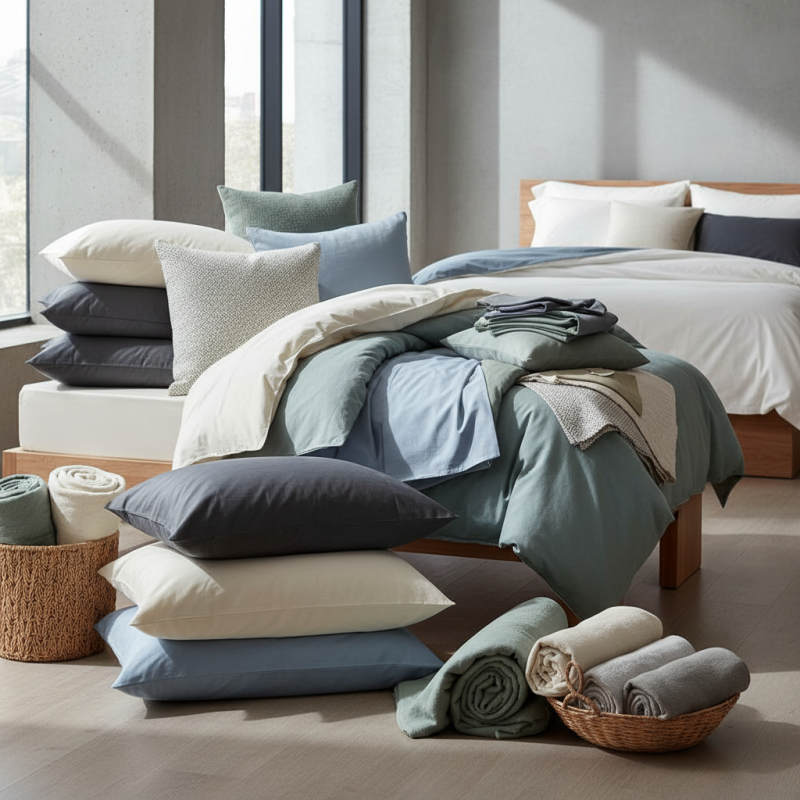
Benefits of Private Label Bedding for Brand Differentiation
Private label bedding has become a key strategy for businesses seeking brand differentiation. The global bedding market is projected to reach $79.6 billion by 2025, with private labeling capturing a significant share. This growth indicates a strong demand for unique bedding products that stand out in a crowded marketplace.
Offering private label bedding allows businesses to create customized collections tailored to specific customer preferences. According to a report from ResearchAndMarkets, nearly 50% of consumers express a desire for personalized bedding options. This presents an opportunity for brands to align their products with consumer trends, enhancing loyalty and brand identity. Moreover, private label products often lead to higher profit margins, providing a financial advantage.
However, entering the private label bedding sector requires careful consideration. Businesses must ensure quality control and a reliable supply chain. A lack of attention to these details can lead to inconsistencies, damaging brand reputation. Additionally, market research is vital to avoid trends that become obsolete too quickly. Adapting to evolving customer needs while maintaining product integrity is essential for success in this competitive industry.
Cost-Effectiveness of Private Label Bedding Production
Private label bedding is becoming a popular choice for many businesses. One significant advantage is its cost-effectiveness. According to a report by IBISWorld, the global bedding industry is expected to reach $80 billion by 2024. This growth creates ample opportunities for retailers to enhance their offerings without steep investments.
Producing private label bedding typically incurs lower costs compared to branded products. Businesses can save between 20% to 40% on production costs when they opt for private label. However, producing high-quality bedding requires careful selection of materials and suppliers. A balance between cost and quality is essential. Cutting corners may lead to unsatisfactory products and customer dissatisfaction.
Moreover, having a private label gives businesses more control over pricing strategies. With less competition from major brands, retailers can set prices that enhance their profit margins. This strategy has proven to boost customer loyalty as consumers often prefer unique, tailored products. Yet, businesses must remain vigilant about market trends. Understanding consumer preferences and staying updated with industry changes are critical for sustained success.
Customization Options Available in Private Label Bedding Lines
Private label bedding offers a unique opportunity for businesses to create customized products. This customization can meet specific customer needs and preferences. With private label bedding, you can choose materials, colors, and even designs. This flexibility allows you to align your products with current trends and customer desires.
Quality control becomes crucial in the customization process. Ensuring the fabrics are durable and comfortable can enhance customer satisfaction. Additionally, unique branding on bedding fosters a distinctive identity. However, challenges can arise in sourcing materials and maintaining consistent quality. Businesses must balance customization with practicality and cost-effectiveness.
Another aspect of private label bedding is the potential to test new styles without extensive investment. By starting with a limited range of designs, you can gauge customer interest. Some businesses may struggle with this step, often hesitant to take risks. Experimenting with colors and patterns can lead to unexpected successes or failures. Embracing this trial-and-error process is essential for growth.
Marketing Strategies to Promote Private Label Bedding
The private label bedding market has seen remarkable growth. According to a recent report by Grand View Research, the global market is expected to reach $21.51 billion by 2025, growing at a CAGR of 5.5%. This growth creates opportunities for businesses looking to enter the market with unique offerings.
Effective marketing strategies are essential for success. Utilize social media platforms to showcase your bedding products in visually appealing ways. Engaging videos or aesthetically pleasing images can draw attention. Customer reviews also help build trust. Studies show that 79% of consumers trust online reviews as much as personal recommendations. This data underlines the importance of nurturing a strong online presence.
However, challenges must be acknowledged. The competition is fierce, and differentiation is critical. Not all marketing campaigns yield immediate results. It's vital to analyze metrics and refine strategies over time. Businesses need to understand their audience deeply to tailor offerings that resonate. Testing various marketing channels can guide your approach. Balancing creativity with data-driven decisions can lead to effective promotion of private label bedding.
Consumer Trends Driving the Demand for Private Label Bedding
The demand for private label bedding is soaring. Recent industry reports indicate that the global bedding market is projected to reach over $80 billion by 2025. This growth is driven by consumer preferences for customizable and affordable options. Many consumers seek unique designs and higher quality, often turning to private label brands to fulfill these needs.
Shoppers are becoming more discerning. A study by Nielsen shows that almost 59% of consumers actively choose store brands over national brands for cost savings. Moreover, 45% expressed a strong interest in purchasing products that reflect their personal style. These trends highlight a shift towards personalization in bedding choices, with private labels stepping in to offer tailored solutions. Brands that leverage this insight can enhance customer loyalty by providing items that align with consumer values.
However, challenges remain. Not all private label bedding is created equal. Quality control can be inconsistent, and there’s a risk of not meeting consumer expectations. Brands must prioritize transparency and quality in their offerings. Balancing affordability with quality is essential for long-term success. Embracing data-driven strategies can help businesses navigate these complexities and tap into the growing market.
Why Choose Private Label Bedding for Your Business Success? - Consumer Trends Driving the Demand for Private Label Bedding
| Dimension | Data |
| Market Growth Rate (2023-2030) | 9% CAGR |
| Consumer Preference for Eco-friendly Products | 68% |
| Online Bedding Sales Percentage | 45% |
| Consumers Looking for Customization Options | 73% |
| Importance of Quality in Bedding Choices | 85% |
| Percentage of Consumers Aware of Private Label Brands | 60% |


 English
 España
 عرب
عرب 简体中文
简体中文
