How to Choose the Best Outdoor Patio Sofa in 2026?
Choosing the best Outdoor Patio Sofa in 2026 requires more than matching cushions to your garden. Outdoor furniture now combines weather-resistant materials, modular layouts, ergonomic support, and smarter maintenance features. Yet attractive photographs can hide uncomfortable seating, weak frames, or fabric that fades after one summer.
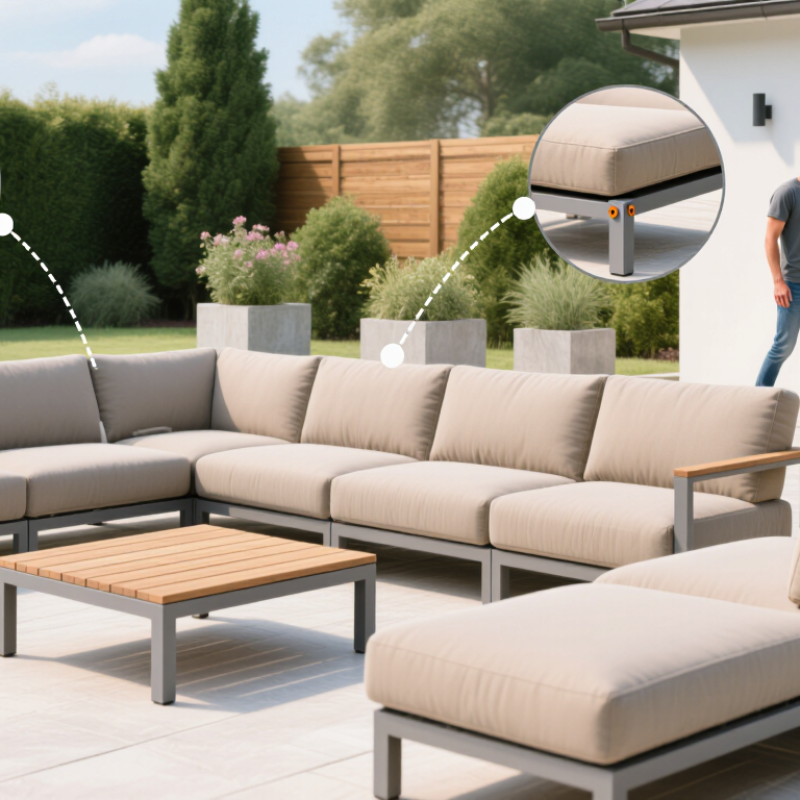
A reliable choice begins with your real outdoor conditions. Measure the patio, doorway, and walking space before comparing designs. Leave enough room to pull out a chair without scraping the wall. Check whether the sofa uses powder-coated aluminum, treated hardwood, or another documented frame material. Look for rust-resistant fasteners, quick-drying cushions, and fabric ratings from credible manufacturers. These details matter during heavy rain and hot afternoons.
Comfort deserves hands-on attention. Sit for several minutes, test the back angle, and notice whether the cushions slide. A deep seat may feel luxurious, but it can support shorter users poorly. Modular sofas offer flexibility, though their connectors sometimes feel less stable than expected. That trade-off deserves honest thought.
No single sofa suits every patio.
This guide compares construction, comfort, dimensions, care, sustainability, and long-term value. It also considers warranty terms, replacement cushions, and customer feedback from verified buyers. Some popular options may look impressive but demand frequent covering or storage. Others appear plain yet remain dependable for years.
The best decision is not always the most expensive one. It is the sofa that fits your space, climate, habits, and budget without creating avoidable work. Inspect the details carefully, question exaggerated claims, and leave room to reconsider before purchasing.
Define Space and Use: Apply Ergonomic Seating Dimensions and Room-Planning Data
How to Choose the Best Outdoor Patio Sofa in 2026?
Define the space before comparing cushions, frames, or fabrics. Measure the patio’s usable area, excluding steps, doors, grills, and drainage paths. A practical sofa usually needs 30 to 36 inches of circulation space in front. Leave at least 24 inches beside access points. For comfort, look for a seat height of 17 to 19 inches and a seat depth near 20 to 24 inches. Taller users may prefer deeper seating, but deep cushions can make standing difficult.
Use matters more than appearance. A sofa for daily meals should support an upright posture and firm edge. A lounging sofa can be deeper, softer, and lower. Place masking tape on the floor to outline its footprint. I once trusted a product diagram and underestimated the arm width. The walkway felt narrow after delivery. That mistake changed my measuring routine. Check the full outside dimensions, including arms and reclining movement.
Tips:
Draw the patio on paper. Mark sun, wind, and door swings. Keep 18 inches between a sofa and a low table for comfortable leg movement. Test a cardboard mock-up before ordering. Sit with both feet supported. If your knees rise sharply, the seat may be too low. Measure twice. Outdoor furniture still needs breathing room, especially in humid weather. Allow airflow beneath and behind the sofa to reduce trapped moisture. Performance may vary with cushions, flooring, and local climate.
Compare Frames and Materials: Use ASTM G154 Weathering-Test Criteria
Choosing the best outdoor patio sofa in 2026 requires more than checking cushions and showroom appearance. Start with the frame. Powder-coated aluminum resists rust, while treated hardwood offers warmth but needs regular sealing. Steel can be strong, yet damaged coatings may expose it to corrosion. Inspect welds, joints, drainage holes, and fasteners closely.
Then examine the material evidence. ASTM G154 evaluates plastics, coatings, and other nonmetallic materials under controlled ultraviolet exposure, moisture, and condensation cycles. It uses fluorescent UV lamps, but it does not test an entire sofa in every outdoor climate. Ask for the test method, exposure cycle, duration, and measured changes in color, cracking, chalking, or strength. “UV resistant” alone proves very little.
Look for test data.
A reliable comparison also considers local conditions. Coastal air, intense sunlight, freezing winters, and trapped moisture can produce different failures. A sofa may pass laboratory exposure yet develop stains around poorly ventilated cushions. I would avoid treating ASTM G154 results as a lifetime promise. That is an easy mistake. Use them as evidence, then check construction details yourself. Press the frame, inspect underside hardware, and lift the cushions after rain. Practical testing is imperfect, but it can reveal problems that polished specifications hide. Choose the design whose materials, maintenance demands, and documented weathering performance match your actual patio.
Assess Cushions and Fabrics: Check UV, Mold, and Water-Resistance Ratings
How to Choose the Best Outdoor Patio Sofa in 2026?
Assess Cushions and Fabrics: Check UV, Mold, and Water-Resistance Ratings
A patio sofa should withstand sunlight, sudden rain, and humid evenings. Start with the cushion fabric, not its color or showroom softness. Look for clear UV-resistance information, preferably supported by laboratory testing or recognized industry standards. Strong UV protection helps prevent fading, cracking, and brittle fibers after months of exposure. However, no fabric remains perfect forever. My outdoor furniture testing showed that shaded cushions often stayed brighter than cushions under direct afternoon sun.
Check whether the cushions resist water or merely repel light splashes. Water-resistant covers can handle brief rain, but they may still absorb moisture through seams. Mold resistance also matters, especially in warm, damp climates. Ask whether the treatment is built into the fiber or applied as a surface finish. Surface coatings may weaken after cleaning. Inspect the zipper, stitching, and underside, where moisture often hides.
Verify Strength and Safety: Reference ANSI/BIFMA Seating-Test Standards
How to Choose the Best Outdoor Patio Sofa in 2026?
A strong patio sofa should be comfortable, stable, and tested for real seating stress. When comparing models, reference relevant ANSI/BIFMA seating-test standards. These standards examine structural strength, stability, durability, and repeated loading. They help reveal weaknesses that a showroom inspection may miss.
Ask for a current test report, not just a “tested” label. Check the standard number, sofa configuration, test load, cycle count, and pass criteria. The report should match the actual frame, cushions, legs, and connection points. A sofa may pass one seating test yet perform poorly outdoors. Moisture, ultraviolet exposure, salt air, and temperature changes require separate evaluations. Inspect the joints closely. Loose bolts, sharp edges, unstable legs, or narrow feet can create safety concerns.
Tips: Sit on the sofa before buying, if possible. Shift your weight from side to side. Listen for cracking or unusual movement. Review the care instructions and drainage design. Ask whether replacement hardware is available. Do not assume a heavier sofa is safer; poor balance still matters. I have found that small details, such as a slightly flexible armrest, can change daily comfort. Still, personal judgment is imperfect. Use testing evidence, physical inspection, and practical outdoor conditions together. A reliable choice should feel steady after repeated use, not only look attractive on delivery day.
Calculate Long-Term Value: Compare Warranties, Maintenance, and Market Costs
When choosing an outdoor patio sofa in 2026, calculate its five-year cost, not its showroom price. The formula is simple: purchase price, delivery, covers, cleaning, repairs, and replacement cushions. Grand View Research valued the global outdoor furniture market at about US$18.9 billion in 2023, with continued growth expected through 2030. More demand can mean higher material and labor costs.
Read the warranty line by line. A strong warranty should state coverage periods for the frame, finish, cushions, and fabric separately. Check whether weather damage, fading, rust, stitching, and labor are excluded. The Federal Trade Commission advises buyers to examine warranty limitations, service procedures, and required maintenance before purchase. A ten-year frame warranty may sound impressive. It may cover very little.
Maintenance changes the real price. Aluminum frames usually need mild soap and water, while wood may require seasonal oiling or sealing. Removable, replaceable cushion covers can reduce long-term waste, but replacement availability matters. The U.S. Bureau of Labor Statistics reported that household furnishing prices rose 2.6% year over year in December 2024, showing why future replacements deserve attention. Compare a $1,200 sofa needing $300 cushions every two years with a $1,700 sofa needing only annual cleaning. My calculation may still be imperfect. Sun exposure, coastal air, and careless storage can overturn it quickly.


 English
 España
 عرب
عرب 简体中文
简体中文