How to Choose the Best Polyethylene Artificial Grass for Your Project?
In the quest for the ideal landscaping solution, selecting the right Polyethylene Artificial Grass can be daunting. Expert landscape designer John Thompson emphasizes, “Choosing the right artificial grass is crucial for both aesthetics and functionality.” This statement rings true as the market is flooded with various options, each boasting unique features.
Polyethylene Artificial Grass is favored for its natural look and durability. It withstands heavy foot traffic and requires minimal maintenance. However, not all products are created equal. Quality can vary significantly between brands. Therefore, careful consideration is essential. One must look at color, pile height, and infill options to ensure a good fit for specific needs.
Moreover, the environmental impact of synthetic grass is increasingly important. While many products are designed for longevity, the production process can be resource-intensive. Reflecting on these factors can guide consumers in making informed decisions. Selecting Polyethylene Artificial Grass involves more than just aesthetics; it requires careful evaluation of all aspects.
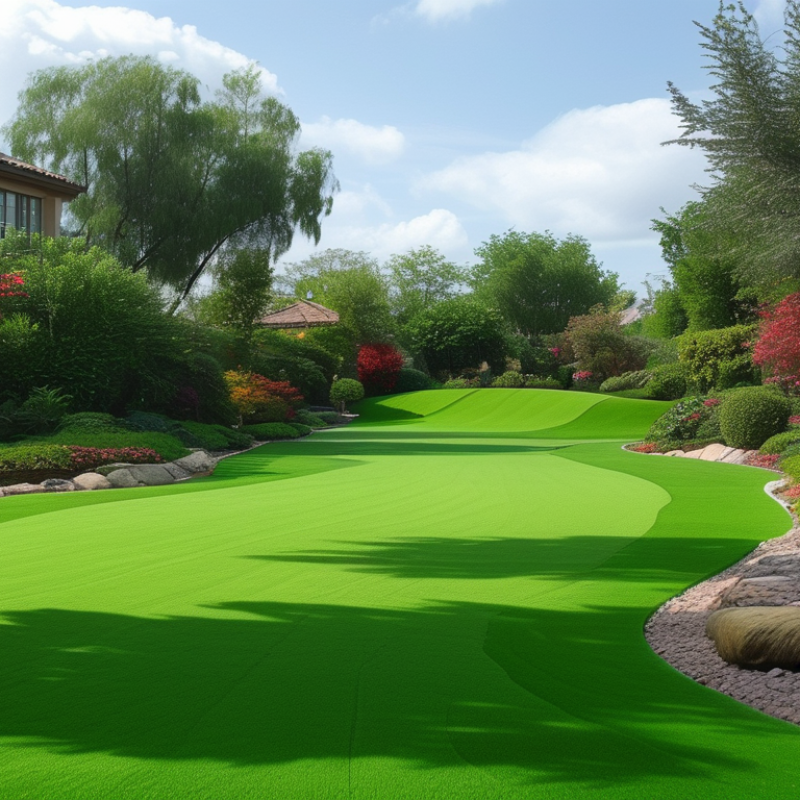
Understanding Polyethylene Artificial Grass: Composition and Benefits
Polyethylene artificial grass is becoming increasingly popular for various applications. Its composition consists primarily of polyethylene fibers, which offer durability and a natural grass-like appearance. According to industry reports, this material accounts for about 70% of the synthetic turf market, underscoring its widespread acceptance.
One key benefit of Polyethylene Grass is its resilience. This type of turf withstands heavy foot traffic and various weather conditions. A study from the Synthetic Turf Council indicates its lifespan can extend up to 15 years with proper care. However, it sometimes shows wear in high-use areas, requiring occasional replacements. The ability to maintain a lush green appearance year-round without the need for pesticides is another significant advantage.
While polyethylene grass is eco-friendly, concerns surround its production. The energy used in manufacturing synthetic fibers is considerable. Research suggests that about 30% of artificial turf products are not recycled at end-of-life. There’s a growing movement advocating for more sustainable practices in manufacturing. Users should weigh these factors when considering polyethylene artificial grass for their projects.
Evaluating Different Types of Polyethylene Fibers for Durability
When selecting polyethylene artificial grass, the type of fiber plays a crucial role in its durability. Various polyethylene fibers offer different levels of resilience. Shorter fibers provide a more compact look, while longer fibers create a lush appearance. A dense weave often enhances durability, helping the grass withstand foot traffic over time. Pay attention to the type of polyethylene used. Some variations have better UV resistance, preventing fading under sunlight.
Consider the thickness of the fibers as well. Thicker fibers generally last longer. However, they can feel less natural underfoot. Test different options to see what feels best. A balance between comfort and durability is essential. Remember, not all polyethylene fibers are created equal. Some might shed more or wear down faster than others. Reflect on how your grass will be used. Will it see heavy foot traffic? Your choice should reflect that.
Lastly, remember your project's specific needs. Performance matters, but aesthetics do too. Color and texture can affect not only appearance but also perception of quality. Take your time to evaluate each fiber's pros and cons. Ask for samples if possible. Don't rush the decision; each project deserves careful consideration to ensure long-lasting satisfaction.
Key Factors to Consider When Selecting Pile Height and Density
When selecting polyethylene artificial grass, pile height and density are crucial considerations. Pile height refers to the length of the grass blades. A taller pile can provide a lush, realistic look. However, it might require more maintenance. Shorter piles can be more durable and easier to clean. Consider how the height will impact your project’s purpose. For high traffic areas, a shorter pile might be better suited.
Density is another key factor. It indicates the amount of grass in a given area. Higher density often means a more durable product. This can withstand wear and tear better than lower density options. It’s important to balance density with your budget. Very dense turf may be more expensive but could save you money in the long run. Think about how often the turf will be used.
While pile height and density are essential, don’t overlook other features. Color, texture, and UV resistance also play roles in the performance and appearance of the grass. Sometimes, the perfect choice isn't clear. A balance of these factors is necessary. Reflect on your specific needs and usage patterns to make the best decision. This process can be complex and requires careful thought.
Assessing UV Resistance and Color Stability in Artificial Grass
When selecting polyethylene artificial grass, assessing UV resistance and color stability is crucial. Artificial grass often faces intense sunlight. Over time, inadequate UV resistance can lead to fading and deterioration. This can ruin the aesthetic value of your landscape. A well-chosen product should maintain its vibrant color for years, even under harsh sun exposure.
It’s important to examine specific ratings and certifications related to UV resistance. A low-quality option may seem tempting due to lower price tags, but you might regret that choice down the line. Look for detailed product information that discusses how long the grass can retain its color. Additionally, consider how the materials react over time. Some grass types may lose color rapidly, while others remain surprisingly stable.
Not every artificial grass product lives up to its promises. Some consumers find that their initial choice faded quicker than expected. It can be helpful to seek out user reviews or testimonials. Engage with communities or forums where your intended use is discussed. Understanding other consumers’ experiences can guide you toward a product that truly meets your needs for both appearance and performance.
How to Choose the Best Polyethylene Artificial Grass for Your Project?
| Feature | Description | Rating (out of 5) |
| UV Resistance | Protects against fading and deterioration caused by sunlight. | 4.5 |
| Color Stability | Maintains original color over time, even with environmental exposure. | 4.2 |
| Durability | Resistant to wear and tear, suitable for high-traffic areas. | 4.8 |
| Environmental Impact | Made from recyclable materials, low impact on the environment. | 4.0 |
| Installation Ease | User-friendly installation process, minimal tools required. | 4.7 |
Cost-Effectiveness Analysis: Long-Term Savings with Polyethylene Grass
Polyethylene artificial grass offers various long-term savings, especially in maintenance costs. According to the Synthetic Turf Council, homeowners can save up to 70% on water usage compared to natural grass. This is crucial, especially in regions facing water scarcity. Additionally, the average cost of maintaining natural lawns includes mowing, fertilizing, and pest control. These expenses can exceed $1,200 annually for a standard lawn, while polyethylene grass often requires minimal upkeep.
Moreover, the longevity of polyethylene grass enhances its cost-effectiveness. Studies show that high-quality artificial grass can last 15-25 years with proper care. This durability translates to reduced replacement and installation costs over time. Homeowners may hesitate due to the initial investment. Yet, considering the savings on water, maintenance, and replacement, the price becomes more manageable.
Some individuals question the environmental impact of synthetic grass. The recycling process for polyethylene can be challenging. However, advancements in manufacturing are improving sustainability. Choices made today can lead to reflections on future landscaping decisions. Balancing immediate costs against long-term benefits is essential for making informed choices in today’s market.


 English
 España
 عرب
عرب 简体中文
简体中文
