What is an Energy Storage System and How Does It Work?
Energy Storage Systems (ESS) are pivotal in our transition to renewable energy. According to a report by the International Energy Agency (IEA), global energy storage capacity is expected to triple by 2030. This growth reflects an increasing demand for reliable and efficient energy storage solutions to support intermittent renewable sources like solar and wind.
An Energy Storage System can store excess energy generated during peak production. Later, it can release this energy when demand is high. This process enhances grid stability and reduces reliance on fossil fuels. The U.S. Energy Information Administration (EIA) indicates that energy storage helps integrate over 30% of renewables into the grid effectively.
However, challenges in technology, costs, and policy frameworks remain. While some ESS technologies offer high efficiency, others are still in early development phases. Market maturity is uneven across regions, and regulatory hurdles further complicate deployment. It is crucial to address these issues to maximize the potential benefits of Energy Storage Systems in achieving a sustainable energy future.
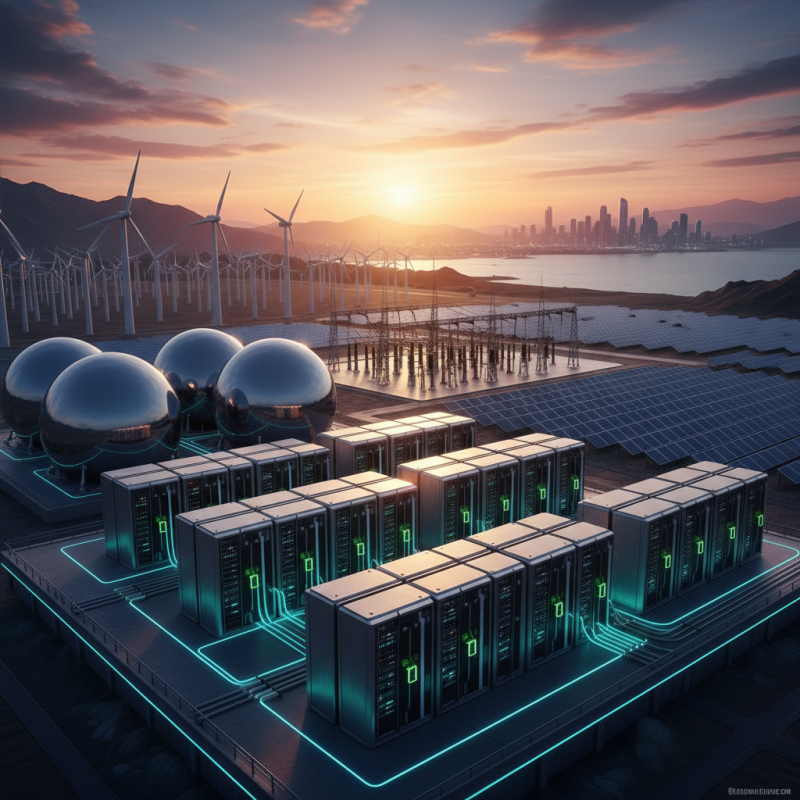
What is an Energy Storage System?
An energy storage system (ESS) plays a vital role in managing the supply and demand of energy. This technology captures energy during times of low demand and releases it when demand is high. It helps to stabilize the energy grid, making it more reliable and efficient. ESS can take various forms, such as batteries, flywheels, or pumped hydro. Each type has its strengths and weaknesses, and their suitability depends on the specific energy needs.
Tips: When considering an energy storage system, assess your energy consumption patterns. Understand when you use the most energy. This can help optimize the system's effectiveness.
Energy storage systems also support renewable energy sources like solar and wind. These sources generate energy intermittently. By storing excess energy produced during peak times, ESS ensures a steady supply. However, improper sizing of the system can lead to inefficiencies. An over-sized system can incur unnecessary costs, while an under-sized system may fall short during high-demand periods.
Tips: Regularly evaluate your energy needs and the performance of your energy storage system. This helps maintain efficiency and effectiveness over time. Keeping an eye on technology advancements can also offer better solutions.
Types of Energy Storage Technologies
Energy storage systems (ESS) play a crucial role in modern energy management. They help balance supply and demand, especially with renewable energy sources. Various technologies are available, each with unique benefits.
One notable type is lithium-ion batteries, which dominate the market due to their high energy density and quick response times. According to a recent industry report, the global lithium-ion battery market is expected to reach $129 billion by 2027. Another popular technology is pumped hydro storage, utilizing gravitational potential energy. This method accounts for nearly 95% of global energy storage capacity. Additionally, flow batteries and compressed air energy storage offer alternative solutions with distinct advantages for specific applications.
Tip: When considering energy storage options, evaluate the specific needs of your application. The choice may significantly impact both efficiency and cost-effectiveness.
Emerging technologies, such as solid-state batteries and hydrogen storage, show promise. However, many still face challenges in scalability and cost. Lifespan and environmental impact are also important considerations.
Tip: Look for ongoing research and development trends. Understanding advancements can help you make informed decisions about the technology that best suits your needs.
How Energy Storage Systems Work
Energy storage systems play a crucial role in modern energy management. They primarily work by storing excess energy for later use. This stored energy can come from renewable sources, like solar or wind. When energy demand rises, or production dips, these systems release the stored energy to maintain a stable supply.
The technology behind energy storage varies. Batteries are the most common type, converting electrical energy into chemical energy. Pumped hydro storage uses water, lifting it to a higher elevation and then releasing it to generate power. Each method has its pros and cons. For example, batteries can degrade over time, while pumped hydro requires specific geographical conditions.
While energy storage systems are essential, they’re not flawless. Many systems still face efficiency challenges. There’s a need for more innovative solutions. Questions around lifespan and cost-effectiveness persist. Understanding these imperfections helps guide future advancements in energy storage technology.
Applications of Energy Storage in Modern Energy Grids
Energy storage systems (ESS) play a pivotal role in modern energy grids, enhancing efficiency and reliability. They address the intermittent nature of renewable energy sources like solar and wind. According to a report from the International Energy Agency, global installed energy storage capacity reached over 200 gigawatt-hours by the end of 2022, marking significant growth driven by a surge in renewable energy adoption.
In urban settings, energy storage is increasingly vital. For instance, energy storage systems can stabilize grid operations during peak demand. They allow for the smoothing of energy supply, mitigating fluctuations caused by variable renewable sources. Research from Bloomberg New Energy Finance projects that the deployment of grid-scale battery storage will exceed 1,000 gigawatt-hours by 2040, as utilities look for solutions to maintain grid stability.
Yet, challenges persist. Despite advancements, high initial costs can hinder deployment. Furthermore, many regions lack adequate infrastructure for widespread ESS implementation. The need for thoughtful planning and investment is evident. As we strive for a sustainable future, energy storage will remain a critical component, shaping how we use and manage energy efficiently.
Benefits and Challenges of Energy Storage Systems
Energy storage systems play a crucial role in modern energy management. They offer a way to store energy generated from renewable sources, like solar and wind. This function helps balance supply and demand. One significant benefit is the reduction of energy costs. By storing energy during low-demand periods, facilities can use it when prices are higher.
However, there are challenges. Battery technology is constantly evolving, but not without limitations. Lifespan and efficiency can vary widely. Environmental concerns also exist, particularly regarding materials used in batteries. Finding sustainable alternatives is crucial for the future of energy storage. Additionally, costs for advanced systems can be prohibitive. Many organizations struggle to justify the initial investment.
Education on energy storage is essential. Stakeholders must understand both benefits and challenges. Decision-makers need reliable data to assess implementation strategies. The conversation should include potential drawbacks, encouraging a more balanced view. Addressing these complexities can enhance the effectiveness of energy storage systems.
What is an Energy Storage System and How Does It Work? - Benefits and Challenges of Energy Storage Systems
| Feature | Description | Benefits | Challenges |
| Lithium-Ion Batteries | Widely used for electric vehicles and renewable energy storage. | High energy density, long cycle life. | Cost, resource extraction concerns. |
| Pumped Hydro Storage | Water is pumped to a higher elevation and released to generate electricity. | Large capacity, mature technology. | Geographic limitations, environmental concerns. |
| Flywheel Energy Storage | Stores energy in a rotating mass and releases it as kinetic energy. | Fast response time, long cycle life. | Limited energy capacity, high initial cost. |
| Battery Energy Storage Systems (BESS) | Integrated battery systems for grid support and renewable integration. | Scalable, supports grid stability. | Decommissioning, limited lifespan. |


 English
 España
 عرب
عرب 简体中文
简体中文
