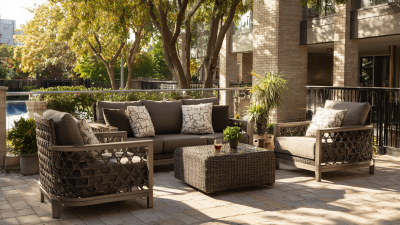
10 Essential Tips for Choosing the Perfect Outdoor Garden Furniture

Choosing the perfect outdoor garden furniture is crucial for creating a beautiful and functional outdoor space. As we move into 2025, the options available in the market are more diverse than ever, making it essential to consider various factors before making a purchase. From style and material to comfort and durability, selecting the right outdoor garden furniture can elevate your garden or patio into a welcoming oasis where you can relax and entertain guests.

In this guide, we will provide you with ten essential tips to help you navigate the myriad choices and pick furniture that not only complements your outdoor environment but also meets your lifestyle needs. Whether you have a sprawling garden or a cozy balcony, our insights will assist you in making informed decisions that enhance your outdoor living experience in 2025. Prioritizing aspects such as weather resistance and maintenance, we ensure that your investment in outdoor garden furniture will stand the test of time, making each outdoor gathering a memorable event.
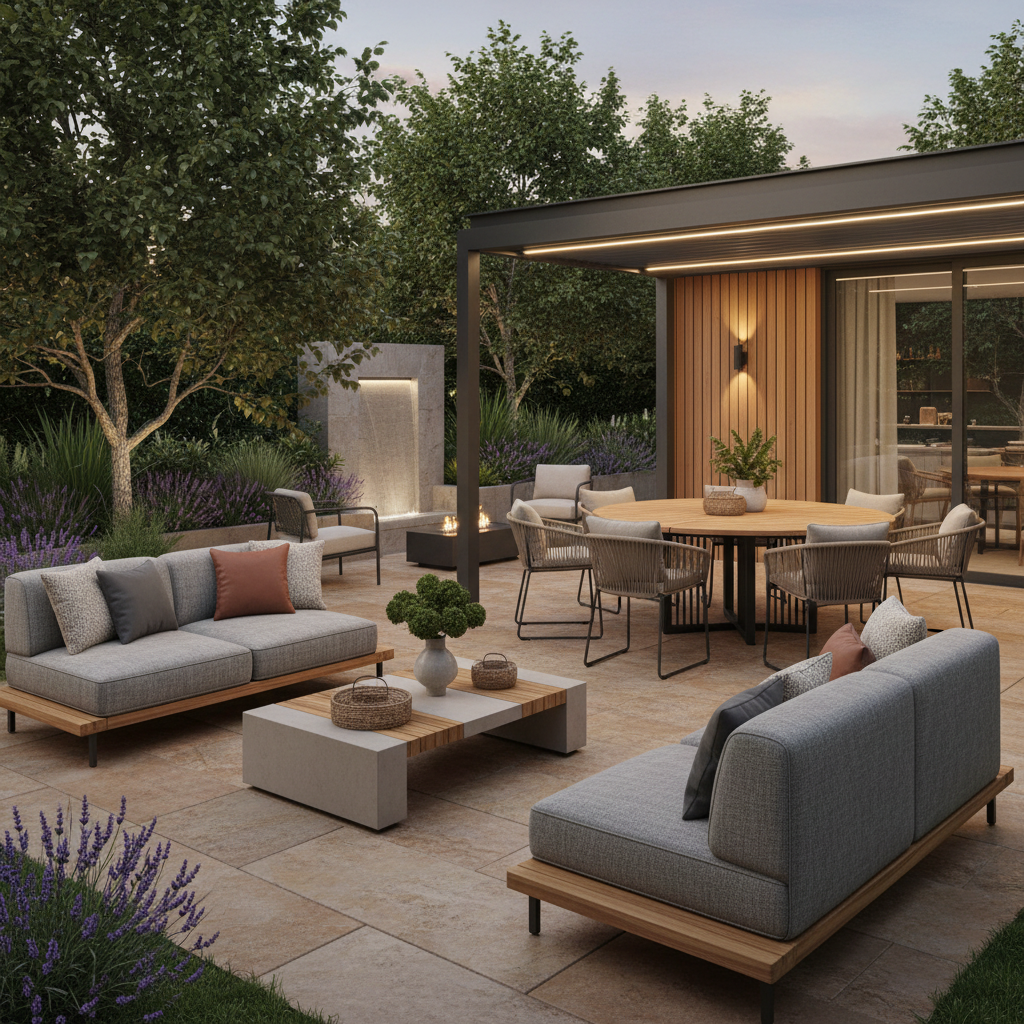
10 Essential Tips for Choosing the Perfect Outdoor Garden Furniture

Factors to Consider When Selecting Outdoor Garden Furniture Materials
10 Essential Tips for Choosing the Perfect Outdoor Garden Furniture

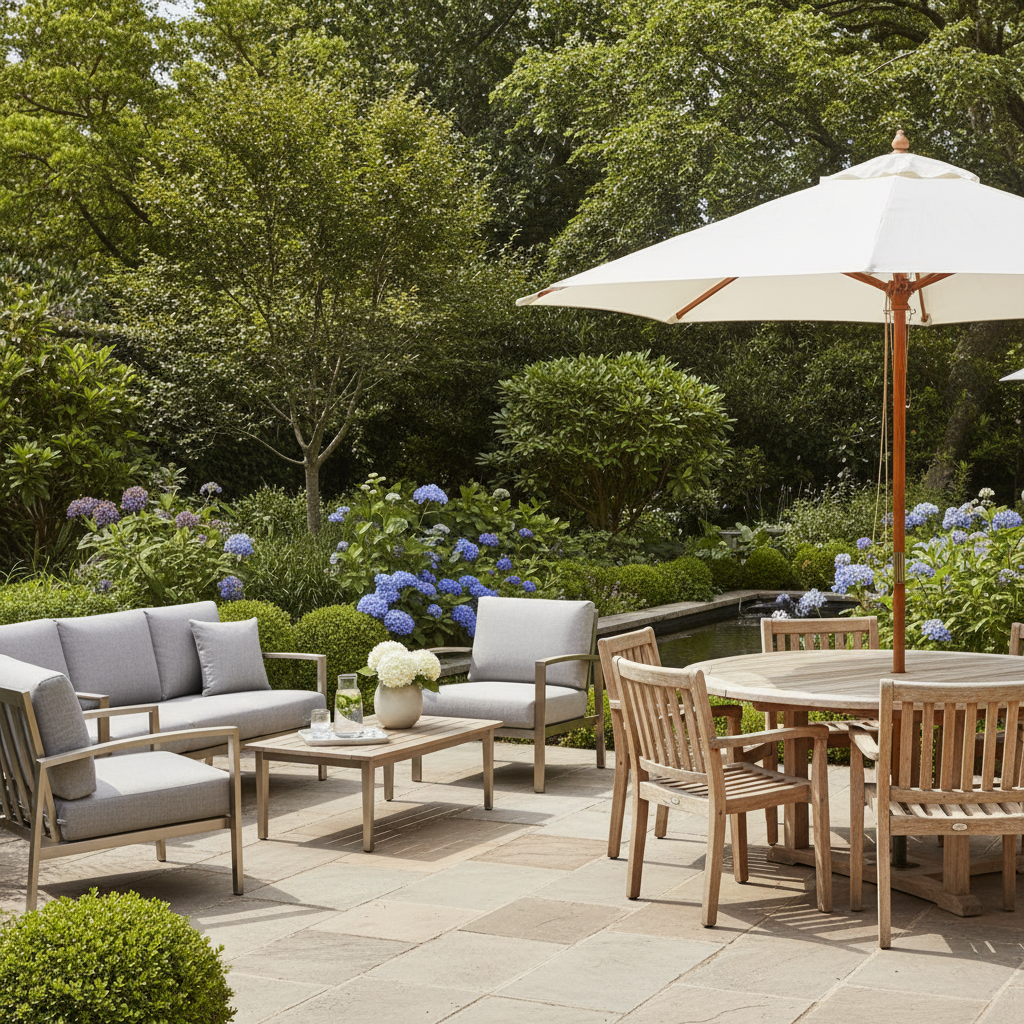
When selecting outdoor garden furniture, one of the most critical factors to consider is the material used in its construction. Different materials offer varying levels of durability, maintenance, and comfort. According to a report by the Outdoor Industry Association, aluminum and teak are among the most favored materials for outdoor furniture due to their resilience against weather elements. Aluminum furniture is particularly lightweight and resistant to rust, making it a practical choice for changing seasons. Teak, on the other hand, is renowned for its natural oils that protect it from moisture and insects, allowing it to age beautifully without compromising structural integrity.

Another aspect worth considering is the environmental impact and sustainability of the materials. In a study by the Forest Stewardship Council, consumers are increasingly prioritizing eco-friendly options, such as recycled plastics and responsibly sourced wood. These materials not only reduce the carbon footprint but also tend to be more resistant to wear and tear. For instance, recycled high-density polyethylene (HDPE) has been shown to withstand UV rays and extreme temperatures, making it a durable alternative to traditional materials. By prioritizing sustainable materials, consumers can ensure their investments in outdoor furniture are not only stylish but also environmentally responsible.
Best Space Planning Tips for Arranging Your Outdoor Furniture Comfortably

10 Essential Tips for Choosing the Perfect Outdoor Garden Furniture

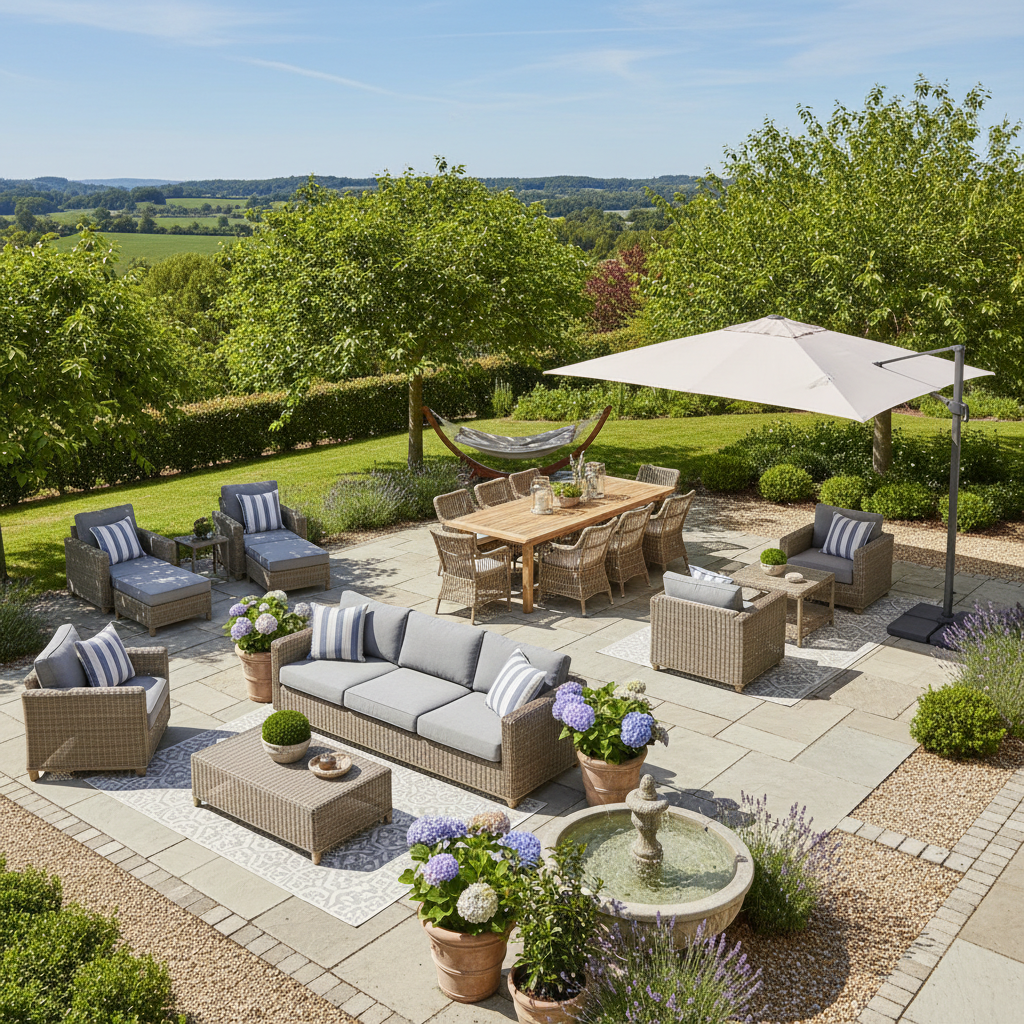
When it comes to arranging outdoor garden furniture, effective space planning is key to creating a comfortable and inviting environment. According to a report by the American Society of Landscape Architects, well-designed outdoor spaces can increase property value by up to 20%. This underscores the importance of thoughtful furniture arrangement that not only enhances aesthetic appeal but also maximizes functionality. Start by measuring your available space to ensure that furniture fits comfortably without overcrowding. A general guideline is to leave at least 36 inches of walkway space between furniture pieces to facilitate easy movement.


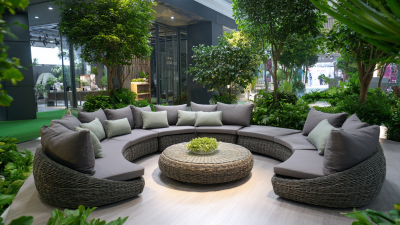
In addition, incorporating zones in your outdoor area can help define different uses within the space. For instance, consider creating a dining zone with a table and chairs, adjacent to a relaxation zone with loungers or a sofa. Research from the Outdoor Industry Association reveals that structured seating arrangements, such as “U-shapes” or circular formations, encourage conversation and social interaction. By carefully planning these zones, you can enhance the overall experience of your outdoor setting, making it a perfect place for gatherings or quiet reflection.

Top 5 Styles of Outdoor Garden Furniture to Enhance Your Aesthetic

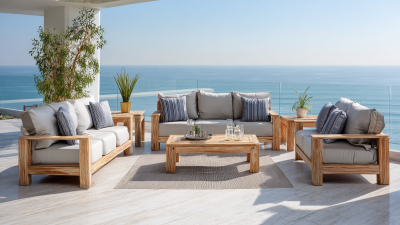
When it comes to outdoor garden furniture, selecting the right style can significantly enhance the aesthetic of your space. One popular option is the classic wooden furniture, which offers a timeless and natural look. Teak, cedar, and eucalyptus are excellent choices, known for their durability and resistance to weather elements. The warm hues of wood add a rustic charm, making your garden feel inviting and cozy.

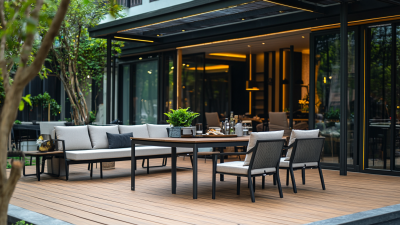
Another stylish choice is modern metal furniture, which often features sleek lines and minimalist designs. Aluminum and wrought iron are favored materials, providing a contemporary touch that contrasts beautifully with lush greenery. These pieces are not only durable but also available in various colors, allowing for personalized customization that complements your outdoor theme.

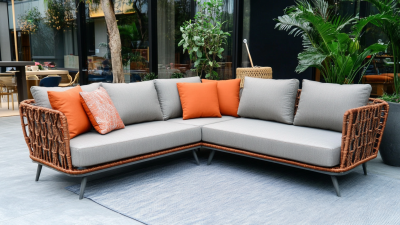
Lastly, consider the bohemian style, which emphasizes eclectic patterns and textures. Rattan and wicker furniture adorned with vibrant cushions can create a laid-back vibe, perfect for those looking to cultivate a relaxed atmosphere. Incorporating unique decor elements, such as colorful throws and artistic tableware, aligns well with this style, transforming your garden into a personal oasis of comfort and creativity.

Best Practices for Maintaining and Caring for Outdoor Furniture

When investing in outdoor garden furniture, proper maintenance is key to preserving its beauty and functionality over time. Start by selecting furniture made from durable materials such as teak, aluminum, or weather-resistant resin, as these options are more forgiving against the elements. Regularly clean your furniture with mild soap and water to remove dirt and prevent mold and mildew buildup. For wooden furniture, applying a suitable sealant annually can enhance longevity and safeguard against moisture damage.

In addition to cleaning, protecting your outdoor furniture during harsh weather is essential. Consider using furniture covers or moving your pieces under a sheltered area during storms or extreme temperatures. This not only minimizes wear and tear but also helps retain the furniture's finish. Finally, check for any loose screws, hinges, or connections periodically to ensure stability. These best practices can keep your outdoor space looking inviting and extend the life of your investment, allowing you to enjoy your garden oasis for years to come.

Budgeting Wisely: Finding Quality Outdoor Furniture Without Breaking the Bank

When it comes to selecting outdoor garden furniture on a budget, being strategic can help you find quality pieces without overspending. Recent insights suggest that consumers are increasingly turning to affordable options as outdoor living spaces gain popularity. In fact, a report from the Outdoor Industry Association highlights that nearly 60% of homeowners plan to invest in their outdoor areas this year, with a significant portion focusing on budget-friendly purchases.

For those looking to enhance their patios or balconies without breaking the bank, there are numerous options available. For instance, basic items such as tables, chairs, planters, and hammocks can often be found at prices below $50. This is particularly relevant as the warmer months approach, prompting homeowners to revamp their outdoor spaces. By prioritizing functionality and comfort, consumers can find stylish yet affordable furniture that meets their needs. The key is to shop wisely, comparing materials and prices to ensure longevity and value in the products chosen.

10 Essential Tips for Choosing the Perfect Outdoor Garden Furniture - Budgeting Wisely: Finding Quality Outdoor Furniture Without Breaking the Bank

Tip No. Tip Key Considerations Estimated Budget
1 Determine Your Space Measure your patio or garden area to ensure furniture fits. $0 - $50 (measuring tools)
2 Choose Durable Materials Select weather-resistant materials like teak or aluminum. $200 - $1000
3 Consider Comfort Opt for cushions and ergonomic designs. $50 - $300
4 Think About Storage Look for furniture that can be easily stored or has built-in storage. $100 - $500
5 Select a Style That Matches Your Home Choose designs that complement existing architecture. $150 - $800
6 Think About Maintenance Choose low-maintenance materials that require less upkeep. $0 - $200
7 Set a Realistic Budget Consider overall cost including accessories and delivery. $500 - $2000
8 Explore Second-Hand Options Check online marketplaces for quality used furniture. $50 - $1000
9 Look for Warranties or Guarantees Ensure products have good warranties for peace of mind. $0 - $200 (potential additional cost)
10 Stay Informed on Trends Research current trends to choose stylish yet functional furniture. $0 - $100 (magazines, websites)

Contact Us