How to Choose the Best Outdoor Garden Furniture?
A garden should feel inviting before you choose a single chair. Yet the right Outdoor Garden Furniture must do more than look attractive. It should suit your climate, available space, and everyday habits. Frank Lloyd Wright, the influential architect, advised, “Study nature, love nature, stay close to nature. It will never fail you.” His words offer a useful starting point: notice the sun, wind, and greenery around your seating area.
Begin with the setting. Measure the patio, check doorways, and leave clear paths between seats. A compact bistro set may fit a balcony better than a deep sectional. On a sunny deck, shade and heat-resistant materials matter. After rain, water should drain rather than pool in cushions or frame joints. Small details count.
Comfort is personal. Sit in a chair before buying, if possible, and check whether its back supports you. Compare wood, metal, wicker, and recycled materials for upkeep, durability, and appearance. A beautiful finish can still need regular care. That part is easy to overlook. Set a realistic budget that includes cushions, covers, and maintenance, not just the furniture itself. The following guide explores these choices, helping you balance style, comfort, weather resistance, and long-term value.
Assess Your Garden Space, Climate, and Furniture Needs
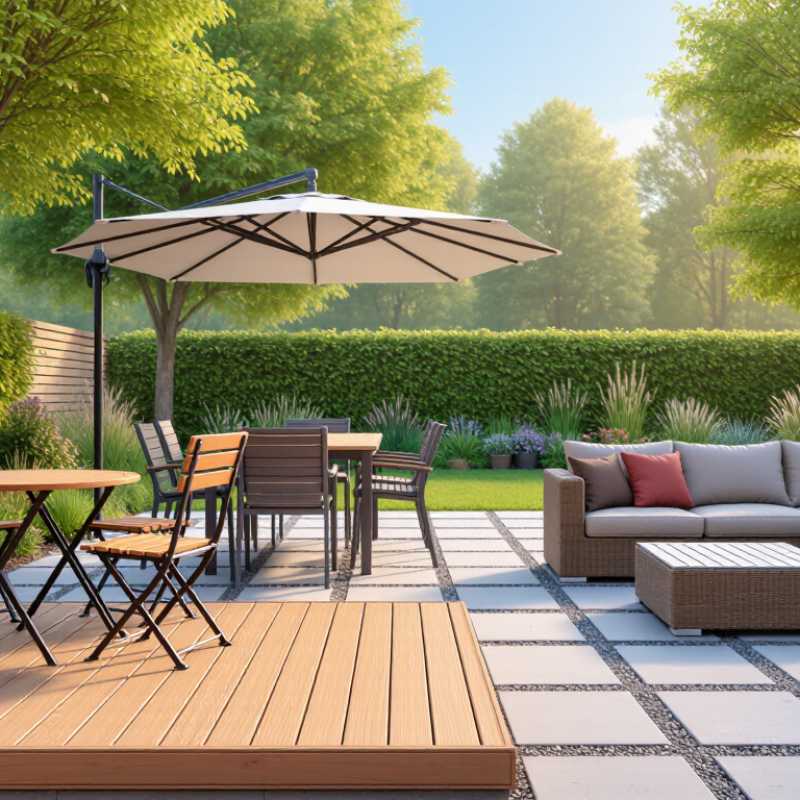
Begin with the garden’s actual dimensions, not the furniture catalogue. Measure door swings, paths, steps, and the space needed to pull out chairs. Use masking tape to mark a table’s footprint on the patio. Measure twice. A layout that looks generous on paper may still block the hose or a gate. Decide what the space must do: seat two for coffee, host a family meal, or provide a quiet reading corner. Count regular users, then leave room for guests without filling every inch.
Climate should shape material and cushion choices. NOAA NCEI’s 1991–2020 U.S. Climate Normals report provides 30-year temperature and precipitation averages; check your local figures for seasonal heat and rainfall. In damp gardens, favor frames and hardware suited to moisture, and cushions that dry quickly. For exposed, sunny patios, look for UV-resistant fabrics and plan shade. Coastal wind matters. I would not choose cushions based on one bright afternoon; gusts and sudden showers can change what feels practical. If winters bring freezing conditions, consider whether furniture can be covered, stored, or left outdoors safely. Also note where puddles form after rain. The first layout may need revision.
Check Frame Stability, Comfort, and Construction Quality
How to Choose the Best Outdoor Garden Furniture?
Check Frame Stability, Comfort, and Construction Quality
When I inspect outdoor furniture, I test the frame before admiring the fabric. Place each chair on a flat surface and press gently on its corners. A stable frame should not wobble, twist, or produce sharp creaking sounds. Try rocking the chair from side to side. Loose joints often reveal themselves quickly. A heavy frame is not always stronger, though. Poor welding can make thick metal unreliable.
Comfort needs a real sitting test. Stay seated for several minutes, not just a few seconds. Check whether the seat supports your lower back and leaves enough room behind your knees. Armrests should support your elbows without forcing your shoulders upward. I once selected a beautiful chair with a low seat. It looked perfect beside the table, but my knees felt uncomfortable after dinner. That was a useful mistake.
Construction details deserve close attention. Inspect welds, bolts, hinges, and the underside of the furniture. Smooth welds usually indicate careful production, while rough edges may catch clothing or weaken over time. Look for drainage gaps beneath cushions and slatted surfaces that allow rain to escape. Hardware should resist rust, especially near coastal air or frequent watering. Read the care instructions carefully. They may seem unimportant, but neglecting them can shorten the furniture’s useful life.
How to Choose the Best Outdoor Garden Furniture?
Compare common outdoor furniture types by frame stability, comfort, and construction quality. Scores use a 1–10 scale, where 10 represents stronger performance for outdoor use.
Buying tip: Prioritize a stable, corrosion-resistant frame first, then check ergonomic comfort and construction details such as reinforced joints, weather-resistant finishes, and durable hardware.
Choose Suitable Furniture Sizes, Shapes, and Configurations
Choosing outdoor furniture starts with measurements, not appearance. Measure the patio, door swing, walking routes, and nearby planters. Leave at least 90 centimeters for comfortable circulation around chairs and tables. For dining, allow roughly 60 centimeters of table width per guest. A 180-centimeter table usually seats six people without cramped elbows.
Shape should follow the space. Round tables soften compact patios and improve conversation. Rectangular tables suit long terraces and larger gatherings. L-shaped seating can fill corners, but it may limit future rearrangement. The 2023 ASLA Residential Landscape Architecture Trends Survey reported that outdoor living areas remained among the most requested residential features, with approximately two-thirds of surveyed professionals identifying them as highly popular. That demand makes flexible layouts especially practical.
Tips: Sketch the area first. Mark furniture footprints with tape. Test every route before buying. Keep at least 75 centimeters behind frequently used chairs. Choose stackable pieces for narrow storage areas. In real installations, oversized sofas often look impressive but reduce movement. A smaller configuration may feel better. I once underestimated shade and circulation; the layout worked on paper, yet afternoon glare made the seats uncomfortable. Recheck sunlight, drainage, and door clearance at different times. A 2024 outdoor living survey by the American Society of Landscape Architects also emphasized comfort, privacy, and usable gathering zones. Furniture should support those functions, not simply occupy space.
Plan for Maintenance, Storage, and Long-Term Value
Choosing outdoor garden furniture is not only about appearance. It is a commitment to cleaning, covering, and storing each piece through changing weather. In real garden use, furniture lasts longer when its materials match the local climate. Aluminum handles damp air well, while treated wood needs periodic oiling or sealing. Woven surfaces can trap pollen and moisture. That detail is easy to overlook. Before buying, inspect joints, fasteners, and drainage points. A stable chair with replaceable parts often offers better value than a cheaper set that cannot be repaired.
Maintenance should fit your real routine, not an ideal one. Wipe food spills promptly, rinse away salt or dust, and let cushions dry completely before storage. Check screws at the start and end of each season. A loose table joint may worsen through repeated movement. Harsh cleaners can fade finishes, so test a mild solution on a hidden area first. Keep a simple care schedule. Five minutes now can prevent a costly repair later.
Tips:
Measure your storage area before purchasing. Leave airflow around stacked furniture, and keep cushions off garage floors. Use breathable covers instead of sealed plastic, which can trap condensation. Store lightweight pieces away from strong wind, but avoid unsafe stacks. Long-term value also includes comfort and repairability. Sit for ten minutes, not ten seconds. A beautiful chair that hurts your back is not a smart investment. Weather changes, household needs, and maintenance habits may also disrupt your original plan.


 English
 España
 عرب
عرب 简体中文
简体中文