

 English
 España
 عرب
 简体中文
How to Choose the Best Training Pads in 2026?
Choosing the best Training Pads in 2026 is less about picking the thickest package and more about matching a pad to your dog, home, and routine. A small puppy using a pad beside the kitchen door has different needs from a senior dog needing a larger surface near its bed. Fit matters.
The market’s scale makes careful comparison worthwhile. The American Pet Products Association’s 2024 State of the Industry report estimated U.S. pet-industry spending at $150.6 billion for 2024, following $147 billion in 2023. That figure covers the wider pet industry, not training pads specifically, so it should not be mistaken for proof that one pad performs better. Still, it reflects how many households make ongoing choices about pet care.
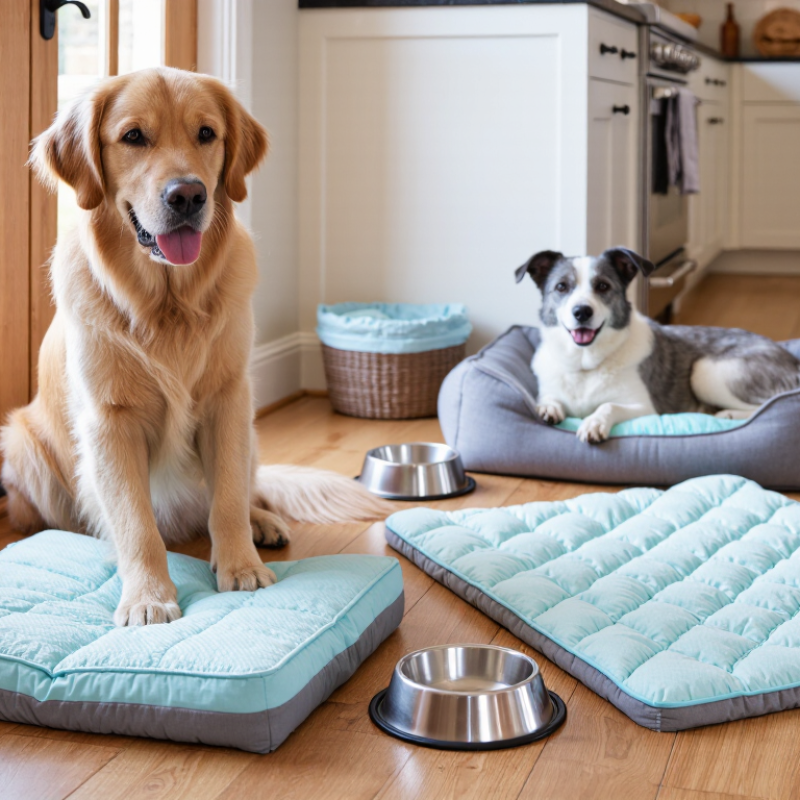
In this guide, we’ll compare practical details: absorbency, leak-resistant backing, pad dimensions, grip, odor control, and cost per use. Imagine a pad on hardwood beside a water bowl: a slippery underside or damp edge can matter more than attractive packaging. Small details count. We’ll also consider whether scented options suit your dog and where used pads can be stored before disposal. Product claims deserve a second look; terms such as “heavy duty” do not explain how much liquid a pad can hold. There is no universal best choice, and even a well-reviewed pad may not suit every dog. That part is easy to overlook. Use the comparisons as a starting point, monitor how your dog responds, and ask a veterinarian about persistent toileting changes.
What Training Pads Are and How They Work
Training pads are absorbent sheets designed to collect a pet’s urine in a chosen indoor spot. Most have three basic layers: a soft top sheet, an absorbent middle core, and a moisture-resistant backing. The top lets liquid pass through, while the core holds it and helps limit puddles. The backing protects floors, though edges can still leak if a pad is overloaded or folded. Simple, but not foolproof.
Pads come in different sizes and thicknesses. A small pad may suit a puppy in a crate, while a larger one gives a pet more room to step and turn. Place it on a flat, easy-to-clean surface, away from food and bedding. Keep the location consistent. After waking or eating, guide the pet to the pad and reward use promptly. Repetition helps connect the spot with toileting.
A pad does not train a pet by itself. Timing and routine matter, and accidents near the edge may mean the pad is too small or the pet is still learning. That can be frustrating. Blot accidents and clean the area thoroughly, since lingering odor may draw a pet back to the same place. Replace wet pads regularly, and check that the floor beneath stays dry.
How to Choose the Best Training Pads in 2026? — What Training Pads Are and How They Work
| Pad Type | What It Is | How It Works | Potential Advantages | Things to Consider | Often Suited To |
|---|---|---|---|---|---|
| Disposable absorbent pad | A single-use, layered pad, commonly made with a soft top sheet, an absorbent inner core, and a moisture-resistant backing. | Liquid passes through the top layer and is held by the absorbent core. The backing helps limit seepage onto the floor. | Ready to use; can be convenient for travel, temporary indoor use, or households that prefer not to wash pads. | Must be replaced after use. A pad that is too small, saturated, or moved out of place may allow messes around it. | Short-term indoor training, travel, or use where laundering is inconvenient. |
| Washable fabric pad | A reusable textile pad, typically combining a top fabric layer, absorbent layers, and a water-resistant bottom layer. | The absorbent layers take up liquid while the backing helps protect the surface beneath. The pad is laundered and reused according to its care instructions. | Reusable; may suit regular use when there is access to laundry and the pad can be dried fully between uses. | Needs prompt cleaning and thorough drying. Check washing instructions, fit, and whether the backing remains intact over time. | Routine use at home for people who prefer a reusable option. |
| Grass-style potty pad | A tray or mat with a grass-like surface, which may use synthetic turf or a replaceable natural-grass layer. | The surface provides a distinct toileting area; liquid drains through or into a tray or absorbent layer below, depending on the design. | Can offer a different surface texture from a flat pad and may be useful where a small designated indoor potty area is needed. | Requires regular cleaning or replacement of its components. Tray size, drainage, and odor management vary by design. | Indoor setups, balconies, or situations where a grass-like surface is preferred. |
| Charcoal or odor-control pad | An absorbent pad that includes an odor-control layer, such as activated carbon, in addition to its liquid-absorbing layers. | The absorbent core holds liquid; the added odor-control material may help reduce some odors. It does not remove the need to change or clean the pad. | May help manage odor in the area when used and replaced as directed. | Odor-control performance depends on the pad and conditions. Scented versions may not suit every household or animal. | Indoor use where odor management is a particular consideration. |
| Adhesive-backed pad | A disposable or reusable pad with tabs or adhesive areas intended to help hold it in place. | The absorbent layers handle liquid as usual; adhesive tabs help reduce sliding when attached to a suitable, clean surface. | May stay positioned better on smooth floors or in a holder when the adhesive is compatible with the surface. | Adhesive can be unsuitable for some flooring or fabrics. Follow product directions and test a discreet area if needed. | Pets or settings where pads tend to shift during use. |
Choosing tip: Match the pad’s dimensions and absorbency to the animal and expected use, consider whether you want a disposable or washable option, and place it in a consistent, easy-to-clean location. Replace disposable pads and clean reusable pads promptly; follow the care and use instructions for the specific pad.
-
- about us
- About Us
- Qualification
- Privacy
-
- Packaging products
- Hot Sale
- Outdoor Sofa Sets
- Outdoor Dining Sets
- Outdoor Loungers/Sunbeds
- Swing Chairs
- Single Chair

