Why Choose an Ice Soaking Tub for Recovery?
After a demanding workout, recovery can feel less like a plan and more like a search for a quiet moment. An Ice Soaking Tub offers a dedicated place to sit in cold water, breathe steadily, and let the body cool down. For some athletes, cold-water immersion may ease perceived soreness and help them feel ready for their next session. The experience is simple. The effects are not guaranteed.
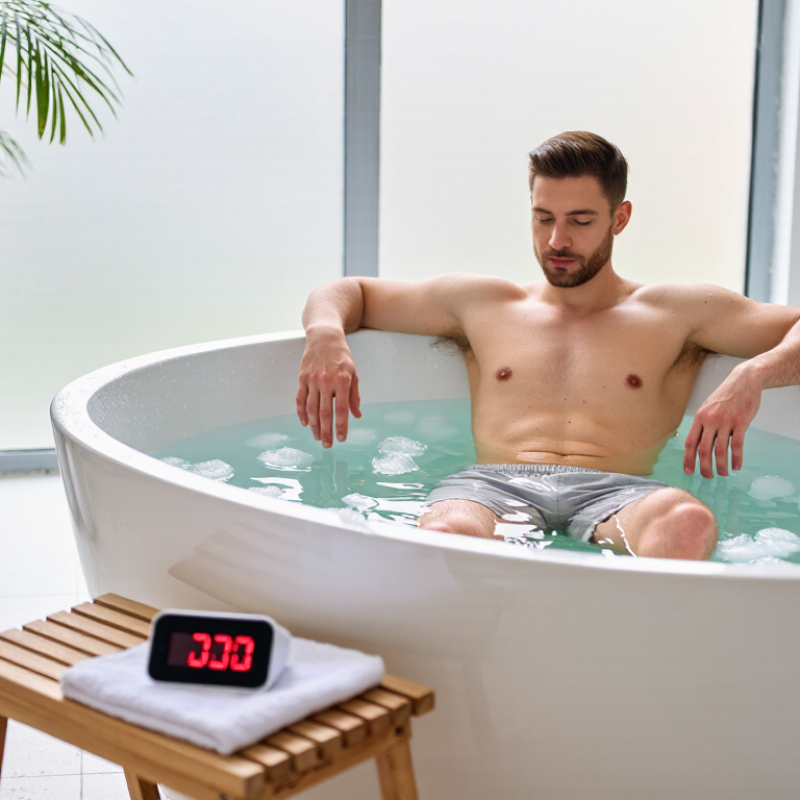
Picture stepping into the tub after a long run, with a towel nearby and a timer set before you begin. Water temperature, exposure time, and personal tolerance all matter; colder and longer are not automatically better. Short, cautious sessions can help newcomers notice how their bodies respond. Stop if you feel faint, numb, unusually distressed, or unwell. Small details count.
An ice bath is not a cure for injury, and research on recovery benefits varies by activity and individual. It should complement basics such as sleep, hydration, nutrition, and sensible training—not replace them. People with heart or circulation conditions, reduced sensation, or other health concerns should seek medical advice before trying cold immersion. And, honestly, the routine may not suit everyone. An Ice Soaking Tub may be worthwhile when it fits your goals, feels manageable, and is used with care.
What Defines an Ice Soaking Tub: Cold-Water Immersion Below 15°C
Why Choose an Ice Soaking Tub for Recovery?
An ice soaking tub is defined by the water, not its shape: immersion takes place below 15°C. That threshold describes cold-water immersion used in sports research, but it does not make every session identical. A thermometer matters; water that feels cold can still sit above the stated range. So does exposure time. In a 2016 systematic review in Sports Medicine, Machado and colleagues found that protocols around 11–15°C for 11–15 minutes commonly reduced post-exercise muscle soreness. These figures describe studied conditions, not a universal prescription.
Not a magic number.
For practical use, steady temperature and safe entry matter more than dramatic discomfort. A tub’s depth can help immerse the legs or torso, while a visible thermometer makes the conditions easier to track. Cold exposure can feel intense within seconds; shivering, numbness, or dizziness are reasons to stop and warm up.
People with cardiovascular or other relevant health conditions should seek medical advice before trying it. Evidence also calls for restraint: a 2015 Journal of Physiology study by Roberts and colleagues found that regular cold immersion after strength training blunted some long-term muscle adaptations.
Recovery goals differ. Choose cold immersion with the workout in mind, and record temperature, duration, and how the body responds.
Common Sports Protocols: 10–15°C Water for 5–15 Minutes
Common sports protocols often use water between 10–15°C for 5–15 minutes. These ranges offer a practical reference, not a universal prescription. Water at 10°C feels sharply cold; at 15°C, it may feel more manageable. Use a thermometer rather than guessing from the surface. Keep it simple.
Start near the warmer end and limit your first session to a few minutes. Sit so the water reaches your torso, breathe slowly, and keep a clock within view. Leave the tub if you feel dizzy, unusually numb, confused, or short of breath. Never force it. Longer or colder sessions are not automatically better, and individual responses vary.
Cold-water immersion may ease perceived soreness for some athletes, but evidence on recovery benefits is mixed. It can also affect training adaptations, especially when used routinely after strength workouts, so timing matters. Consider using it selectively after demanding events rather than after every session. If you have a heart or circulation condition, ask a qualified healthcare professional before trying cold immersion. The protocol should fit the athlete, not the other way around.
A 2012 Review Found 1.3/10 Less Soreness at 24 Hours
Why Choose an Ice Soaking Tub for Recovery?
A 2012 review reported about 1.3 points less muscle soreness on a 10-point scale, 24 hours after cold-water immersion. That is a modest average difference, not a promise of pain-free legs. Some people may notice it; others may feel little change. The studies also varied in their methods, so the number deserves context.
After a hard session, soreness can make stairs feel surprisingly steep. A cold soak may offer temporary relief and help some athletes feel ready to move again. Keep expectations realistic. Recovery still depends on sleep, food, hydration, and sensible training. Cold is one option, not a shortcut.
Comfort and safety matter. Use a thermometer, enter gradually, and keep the session brief rather than chasing an extreme chill. Stop if you feel numb, dizzy, or unusually unwell. People with health conditions affecting circulation or temperature regulation should ask a clinician before trying immersion. Honestly, the evidence is useful but not tidy; I would treat the 1.3-point finding as a small nudge, not a verdict.
Why Choose an Ice Soaking Tub for Recovery? - A 2012 Review Found 1.3/10 Less Soreness at 24 Hours
| Evidence dimension | What the review reported | How to interpret it |
| Review | A 2012 systematic review examined cold-water immersion after exercise. | The finding summarizes several small studies; it is not a guarantee for every person or workout. |
| Evidence base | 17 trials involving 366 participants were included. | The relatively small total sample limits confidence in how broadly the results apply. |
| Soreness at 24 hours | Cold-water immersion was associated with about 1.3 points less soreness on a 0–10 scale than passive recovery. | This is an average difference between groups, not a promised reduction for an individual. |
| Recovery outcome | The review assessed delayed-onset muscle soreness following exercise. | Less reported soreness does not necessarily mean faster tissue repair or improved athletic performance. |
| Protocol differences | The included studies used differing immersion protocols and study methods. | The review does not establish one ideal water temperature or immersion duration. |
| Evidence quality and safety | The authors judged the evidence limited; adverse effects were not reported consistently. | Use caution with cold exposure, and seek medical advice if you have a condition that may make it unsafe. |
Source: Bleakley et al., Cochrane Database of Systematic Reviews (2012), “Cold-water immersion (cryotherapy) for preventing muscle soreness after exercise.”
Evidence Limits: Cochrane Rated the Available Trials Low Quality
Why Choose an Ice Soaking Tub for Recovery?
Evidence Limits: Cochrane Rated the Available Trials Low Quality
An ice soaking tub may feel appealing after a hard training session: cold water, quiet breathing, and a clear pause before the next task. Some people use cold-water immersion to manage soreness or feel refreshed. But the Cochrane review rated the available trials as low quality. That means their results offer limited confidence, not proof that ice soaking reliably speeds recovery or fails to help.
The distinction matters. Low-quality evidence can reflect weaknesses in how studies were designed or reported, making it difficult to separate a real effect from expectation, natural recovery, or other factors. Individual responses also vary. Cold exposure can feel uncomfortable, and it is not suitable for everyone, especially people with certain health conditions. Ask a qualified health professional if you are unsure. The evidence is imperfect. So are our routines.
Tips: Keep any immersion brief and controlled, and leave the tub if you feel unwell. Note how your body responds over several sessions rather than judging one workout. Treat it as an optional recovery tool, not a proven shortcut, and prioritize sleep, food, hydration, and sensible training loads.
Cold-Shock Response: Sudden Immersion Can Rapidly Change Breathing and Heart Rate
Why Choose an Ice Soaking Tub for Recovery?
The first seconds in cold water are not calm. A sudden skin-temperature drop can trigger an involuntary gasp, faster breathing, and a rising heart rate. Tipton and colleagues’ 2017 review in Experimental Physiology reports that the cold-shock response peaks within about 30 seconds; breathing may increase up to tenfold. It is abrupt. In a tub, that can mean gripping the rim while your chest tightens and your breath feels difficult to control.
A recovery routine should respect that response, not treat it as a test of toughness. Enter gradually, keep your face above water, and focus on slow, steady breathing before adjusting the exposure. The same review notes that the response usually eases over the next few minutes, but individual reactions vary. That matters. Cold immersion can also stress the cardiovascular system, so people with heart or blood-pressure concerns should seek clinical advice before trying it. A tub offers a controlled setting, but it does not remove cold shock. I would not assume that a colder plunge is automatically better; that part is easy to overlook. This is a physiological stressor, not just a bracing feeling.


 English
 España
 عرب
 简体中文

