
What Is a Patterned Play Mat for Children?

A patterned play mat can turn an ordinary floor into a small, inviting place to explore. Its printed roads, animals, letters, or simple shapes give children visual details to notice while they crawl, sit, build, and play. Some mats also provide a cushioned surface, though comfort and support depend on the specific design and material.

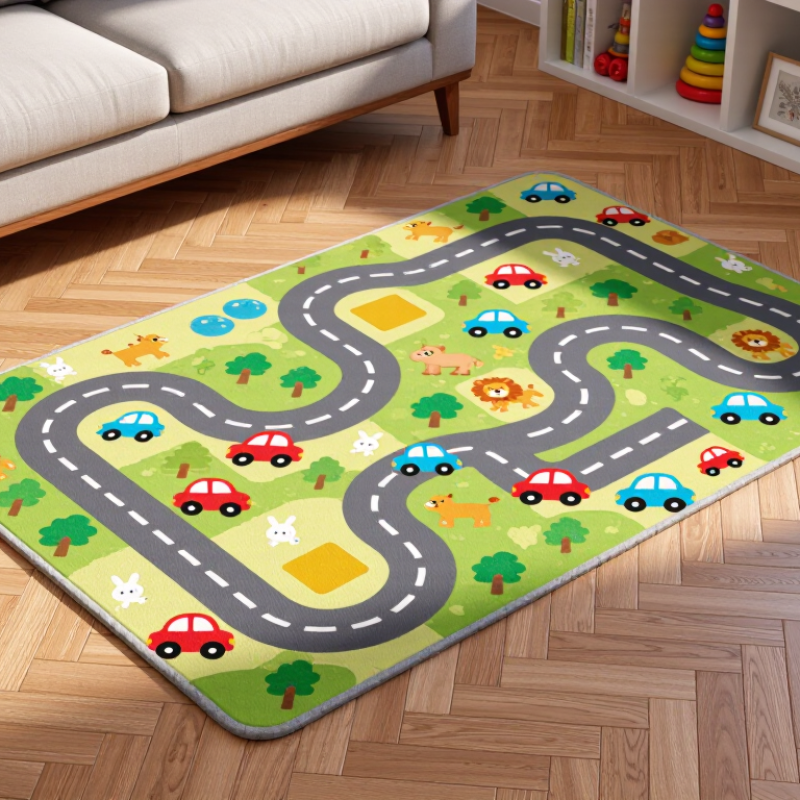
Child-development educator Maria Montessori is often credited with the phrase, “Play is the work of the child.” That idea offers a useful lens for considering a Patterned Children Play Mat: the pattern should support play, not distract from it. A winding road may inspire toy-car stories; contrasting shapes can invite pointing and naming. Small details matter.

A mat is not a substitute for supervision or a guarantee of safety. Check the maker’s age guidance, cleaning instructions, material information, and advice about using it on different floors. Look closely at the edges and underside, especially on smooth tile or wood. A bright print can look delightful in a product photo, yet feel busy in a small room. That is worth considering.

The best choice depends on the child, the space, and everyday routines. Some families may value a foldable surface; others may prefer one that wipes clean after snack time. Patterns can encourage discovery, but children differ, and no design suits everyone. A thoughtful choice balances visual appeal with practical details.
What Is a Patterned Play Mat for Children?

Definition and Purpose of a Patterned Play Mat

A patterned play mat is a padded floor surface printed with shapes, colors, lines, or familiar objects. Its purpose is practical: it gives a child a defined place to lie, reach, roll, sit, and explore. High-contrast shapes may catch a young baby’s attention; simple paths or pictures can later invite pointing and naming. The pattern is a prompt, not a lesson plan. Small details matter. A caregiver can sit beside the mat, move a soft toy within reach, and notice how the child responds.

The World Health Organization’s 2019 guidelines recommend that infants who are not yet mobile have at least 30 minutes of awake, supervised tummy time spread across the day. For children aged one to four, the same guidelines recommend at least 180 minutes of varied physical activity daily. A mat can make short periods of floor play easier to set up, but it cannot replace varied movement or caregiver interaction.

The American Academy of Pediatrics also advises supervised tummy time while babies are awake, building it gradually as they grow. Check that the surface stays flat and that the child remains within reach. Patterns can sometimes distract rather than engage; watch the child, not just the design. A mat alone cannot teach a child to crawl.

Common Patterns, Materials, and Construction

A patterned play mat combines cushioning with visual details that can make floor play more inviting. Common designs include roads, animals, letters, simple shapes, and muted geometric patterns. A road motif may inspire pretend play, while a plain repeating pattern can feel less visually busy. Some children barely notice the design. That is normal.

Materials affect the mat’s feel and upkeep. EVA and XPE foam are lightweight options, often made as interlocking tiles or foldable sheets; crumbs can settle in their seams. Natural-rubber mats may feel heavier and offer a firmer grip. Fabric-covered mats can feel soft, but spills may be harder to clean. Material names alone do not explain every product. Check care instructions and age-related safety information, especially if a baby may mouth the surface.

Construction matters. Look for edges that lie flat, joints that stay connected, and a surface suited to the floor beneath it. Some patterns sit under a protective film; others are printed on the top, where wear may be more visible. Thick padding is not automatically the best fit for every age or activity. Measure the play area, then inspect the mat after cleaning. Peeling layers or damaged edges deserve attention. A design that looks appealing in a photo may feel too busy in a small room.

What Is a Patterned Play Mat for Children? - Common Patterns, Materials, and Construction

Pattern Type Typical Printed Details Common Play or Learning Use Materials Commonly Used Typical Construction
Roads and city Roads, intersections, buildings, parking areas, and simple landmarks Imaginative vehicle play and simple route-making Printed foam, printed fabric, or a coated textile surface A printed top surface is attached to or formed over a cushioned base; some versions fold or roll for storage.
Letters and numbers Alphabet characters, numerals, shapes, or basic counting illustrations Early recognition, matching, and simple counting activities EVA foam tiles, printed foam sheets, or textile mats Designs may be printed on a continuous surface or incorporated into interlocking foam tiles.
Animals and nature Animal illustrations, leaves, flowers, clouds, or landscape scenes Storytelling, picture naming, and imaginative play Polyester fabric, printed foam, or a wipe-clean coated surface Fabric styles may use a printed face with padding and a backing; foam styles use a printed or laminated surface over foam.
Geometric shapes Repeating lines, circles, triangles, grids, or contrasting color blocks Visual exploration, shape identification, and open-ended play EVA or XPE foam, woven fabric, or coated textile Patterns are commonly printed or laminated onto a flat mat; foam tiles may have interlocking edges.
Maps and world scenes Simplified land, water, roads, or illustrated locations Pretend journeys and basic discussion of places and directions Printed textile, foam, or a wipe-clean coated material A broad printed design is applied to a single sheet or fabric face, usually over a cushioned or supportive base.
Abstract and neutral Muted colors, simple motifs, or low-contrast repeating patterns General floor play and use in rooms where a subtle visual design is preferred Woven fabric, polyester, foam, or coated textile May be a flat printed mat or a padded fabric construction with stitched or bound edges.

Material and construction details vary by product. Check the care instructions, age guidance, and product information for the specific mat.

How Patterned Mats Support Children’s Play and Learning

A patterned play mat can turn an open floor into an invitation to explore. A road print may prompt a child to push a toy car between “buildings,” while numbered squares can inspire counting hops or sorting blocks. These small games let children practise early skills through movement and pretend play. They may name colors, compare shapes, or make up stories as they go.

Small discoveries matter.

The mat’s patterns can also support language and shared attention. An adult might ask, “Can you find the striped circle?” and give the child time to point, describe, or guess. With siblings, a simple path can become a turn-taking game. For younger children, clear, uncluttered pictures are often easier to notice than busy designs.

Still, a mat does not teach on its own. Children learn through interaction, repetition, and room to explore. It is easy to expect one product to keep play meaningful all day; realistically, interest may fade. A few blocks, a toy animal, or a new question can help the same pattern feel fresh again.

Age-Related Uses and Play Activities

What Is a Patterned Play Mat for Children?

Age-Related Uses and Play Activities

A patterned play mat is a soft, defined floor area with colors, shapes, roads, or other printed details. For young babies, simple, high-contrast patterns can give them something to look at during supervised floor play. Place a baby on a firm, clear section and encourage brief reaching or tummy-time sessions, following the child’s comfort and any guidance from a health professional. A mat is not a sleep surface. Keep small objects out of reach.

As babies begin rolling, sitting, and crawling, patterns can become prompts for movement. Point to a large shape, or place a suitable toy nearby and let the child reach for it. Toddlers may enjoy tracing a printed road with a toy vehicle, naming colors, or matching blocks to shapes. Keep the activity flexible. Some days, the pattern gets ignored.

Preschoolers can invent routes, act out a pretend town, or take turns hopping between large printed shapes. An adult might ask, “Can you find the blue circle?” without turning play into a test. Choose activities that suit the child’s coordination, and check that the mat stays flat and clean. Stay close during play, especially when younger children share the space. A mat can invite ideas, but it cannot supervise a child.

Safety, Care, and Choosing a Suitable Mat

A patterned play mat gives children a defined place to sit, crawl, and play. Its colors and shapes can make the play area inviting, but appearance is not a safety test. It is easy to focus on the print and overlook the floor beneath it. Place the mat on a clean, level surface, and check that it does not slide or bunch when pressed. Read the product’s age guidance and care instructions, especially if the mat has seams, raised pieces, or a textured surface. Stay nearby.

Care is part of safe use. Wipe spills promptly, since moisture trapped beneath a mat can affect the floor and encourage odors. Follow the maker’s cleaning directions rather than using strong cleaners by default. Let the mat dry fully before children return to it. Check it regularly for peeling layers, cracks, loose stitching, or edges that curl upward. Small details matter. Stop using it if damage creates a snag or trip risk.

Choose a mat that fits the child, room, and routine. Measure the play space, leaving clear access around furniture and doorways. A thicker mat may feel softer, but it can also create a higher edge; consider how a child moves across it. Patterns can help define a play zone, though busy prints may make crumbs or small toys harder to spot. There is no perfect choice. Match the mat’s materials and cleaning needs to your home, and reassess as your child grows.

Contact Us
