What Is a Spa Chiller and How Does It Work?
A spa should feel refreshing, not like a warm bath that has lost its purpose. When water heats up under sunlight, frequent use, or a warm climate, a Spa Chiller can help bring it back to a cooler, more comfortable temperature. It is a cooling unit designed to work with a spa’s water circulation system. The basic idea is simple. The equipment removes heat from the water and releases it elsewhere.
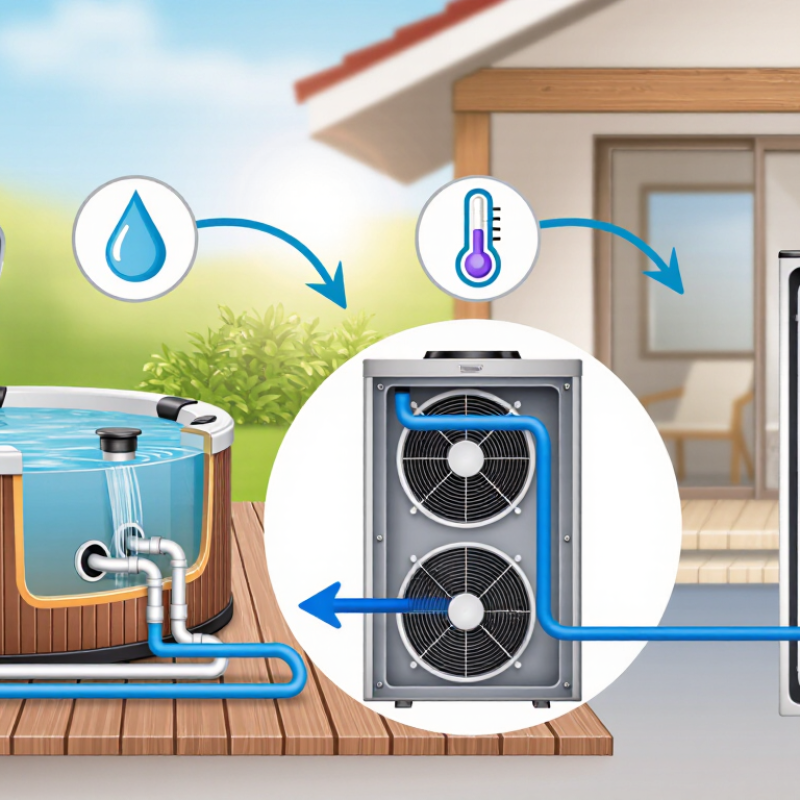
Inside the chiller, water passes through a heat exchanger, where heat transfers to a refrigerant. The refrigeration circuit then carries that heat away, while the cooled water returns to the spa. A pump keeps the water moving, and controls help maintain the selected temperature. In practice, results depend on more than the chiller itself. Spa volume, insulation, water flow, outdoor temperature, and cover use all matter. Small details matter.
This guide explains what a Spa Chiller is, how its main components work, and what affects cooling performance. It also considers practical points such as sizing, installation, energy use, and routine care. Choosing a unit from its headline capacity alone can be misleading; the actual spa setup deserves attention. No chiller can overcome every condition instantly, and cooling may take time on a hot day. That part is easy to overlook. Understanding the process can help spa owners ask better questions, set realistic expectations, and discuss specifications with a qualified installer.
What a Spa Chiller Is and What It Does
A spa chiller is equipment that removes heat from circulating spa water and helps keep it near a chosen temperature. It is often used when a hot tub needs cooler water, including for cold-water bathing.
Not magic. The chiller works alongside the spa’s pump and plumbing; it does not cool the water instantly.
In many systems, a pump moves water through a heat exchanger inside the chiller. A refrigerant cycle carries heat away from that water and releases it outside the unit. The cooled water then returns to the spa.
A thermostat or controller monitors temperature and signals the unit when more cooling is needed. The exact setup varies, so the plumbing and controls matter.
A chiller’s performance depends on factors such as outdoor temperature, water volume, insulation, and how often the cover is removed. On a warm afternoon, cooling may take longer than expected.
Keeping the cover on and maintaining clean filters can support steady operation, but neither replaces correct installation.
The terminology can also be confusing: some systems only cool, while others can heat and cool. Check the equipment specifications before assuming what a particular unit can do.
The Main Components of a Spa Chiller
What Is a Spa Chiller and How Does It Work?
The Main Components of a Spa Chiller
A spa chiller removes heat from circulating water and sends that heat outdoors or into a separate water loop. Its core refrigeration circuit contains a compressor, condenser, expansion device, and evaporator. ASHRAE’s 2022 Handbook—Refrigeration describes this standard vapor-compression cycle. The compressor pressurizes refrigerant; the condenser releases heat; and the expansion device lowers refrigerant pressure. In the evaporator, refrigerant absorbs heat through a metal surface as spa water passes by. Air-cooled models use a fan across the condenser. Water-cooled designs reject heat through a separate water circuit. The details vary.
A circulation pump moves water through the chiller, while a filter catches debris before it can restrict flow. Sensors and a controller monitor water temperature and switch equipment on or off near the set point. Flow matters. The U.S. Department of Energy’s Improving Pumping System Performance sourcebook explains that pump power follows the cube of rotational speed under affinity-law conditions. In theory, 20% lower speed means about 49% less pump power. That is not a guaranteed whole-system saving: pipe resistance, filter condition, and pump design all affect actual results. A partly clogged filter can reduce flow, so a cold reading alone may not tell the full story. The neat component diagram is useful, but real plumbing is less tidy.
What Is a Spa Chiller and How Does It Work? - The Main Components of a Spa Chiller
| Component | Main function | How it works in a spa chiller | Practical notes |
| Compressor | Moves and pressurizes refrigerant through the refrigeration circuit. | It draws in low-pressure refrigerant vapor from the evaporator and compresses it into a hot, high-pressure vapor. | Compressor type and capacity vary by chiller design. Good airflow and correct electrical supply help it operate reliably. |
| Condenser | Releases heat from the refrigerant to the surrounding air or to a separate cooling-water circuit. | As the hot refrigerant vapor gives up heat, it cools and condenses into a high-pressure liquid. | Air-cooled models commonly use a finned coil; keeping its air path clear supports heat transfer. |
| Condenser fan | Moves air across the condenser in air-cooled units. | The airflow carries heat from the condenser coil into the surrounding environment. | Not used in water-cooled designs. The fan needs unobstructed intake and discharge space. |
| Expansion device | Controls refrigerant flow into the evaporator and reduces its pressure. | The pressure drop causes the refrigerant to become colder before it enters the evaporator. Designs may use a capillary tube or a thermostatic expansion valve. | The exact device depends on the refrigeration system’s design and capacity. |
| Evaporator / heat exchanger | Transfers heat out of the spa water and into the refrigerant. | Warm spa water passes through one side of the heat exchanger while cold, low-pressure refrigerant absorbs heat on the other side and evaporates into vapor. | The spa water and refrigerant flow through separate passages and do not normally mix. |
| Water circulation pump | Moves spa water through the chiller’s water circuit. | It sends water through the heat exchanger, where heat is removed, and returns the cooled water to the spa. | The pump may be built into the chiller or supplied separately. Required flow depends on the unit and installation. |
| Water strainer or filter | Captures debris before it can restrict water flow through the chiller. | Water passes through a screen or filter element that traps particles in the circulation line. | Regular inspection and cleaning help maintain flow. Follow the equipment instructions for filtration and water treatment. |
| Temperature sensor and controller | Monitors water temperature and regulates chiller operation. | The controller compares the measured temperature with the setpoint and starts or stops cooling as needed. Some systems also monitor flow or protect against abnormal operating conditions. | Control features and temperature ranges differ between models. Use the specified setpoint and operating procedure. |
Basic cooling cycle: The pump circulates spa water through the heat exchanger. Refrigerant absorbs heat in the evaporator, the compressor raises its pressure, the condenser releases the heat, and the expansion device lowers refrigerant pressure so the cycle can repeat.
How the Refrigeration Cycle Removes Heat
What Is a Spa Chiller and How Does It Work?
How the Refrigeration Cycle Removes Heat
A spa chiller cools water by moving heat, not by making cold. Warm spa water passes through an evaporator heat exchanger. Inside, low-pressure refrigerant absorbs heat and evaporates. The compressor then squeezes the vapor, raising its pressure and temperature. At the condenser, heat leaves the refrigerant and moves into the surrounding air or water. A valve lowers refrigerant pressure, and the cycle repeats. That’s the basic vapor-compression cycle described in the ASHRAE Handbook—Refrigeration.
The refrigeration cycle runs continuously while cooling is needed. A pump keeps spa water moving across the heat exchanger, while sensors help control the target temperature. The U.S. Department of Energy reports a coefficient of performance (COP) of 3.0–7.0 for pool heat-pump heaters, depending on conditions. That figure is a related-system benchmark, not a promised rating for spa chillers. Actual performance varies with airflow, water flow, and heat-exchanger cleanliness. Real equipment is less tidy than a diagram.
Tips: Keep the chiller’s air intake clear, and check for scale on water-side surfaces. Restricted flow can slow heat transfer. If cooling takes longer than usual, verify water flow before assuming the refrigerant system is at fault.
How Water Circulation and Temperature Control Work
A spa chiller controls water temperature by moving heat out of the water. A circulation pump draws water from the tub and sends it through a filter, then across a heat exchanger. Inside the exchanger, a refrigerant absorbs heat from the passing water. The cooled water returns to the spa while the chiller releases that heat into the surrounding air. That movement matters.
A temperature sensor checks the water, and a controller compares its reading with the set point. If the water is too warm, the cooling system runs; once the target is reached, it may slow or stop. The pump may keep circulating water so temperatures stay even throughout the tub. Exact operating cycles vary by equipment and setup. Small details count.
Good circulation helps prevent warm pockets and gives the sensor a more representative reading. A clogged filter, restricted water flow, or poor airflow around the unit can reduce performance. Some systems stop cooling when flow is too low, protecting internal parts. Keep the filter clean and leave the unit’s air openings unobstructed. It is tempting to blame the chiller when cooling feels slow, but heavy use, direct sun, and warm outdoor air can also affect recovery time. Temperature control is not instant.
Common Spa Chiller Types and Their Uses
Air-cooled vapor-compression chillers are common in residential spas. A fan pushes heat from the refrigerant into the surrounding air, so installation is relatively simple. They suit backyard tubs with room for airflow, but hot, enclosed equipment areas can reduce cooling performance. Expect fan noise.
Water-cooled chillers transfer heat to a separate water loop. They can suit larger, heavily used spas, but need extra plumbing and a reliable heat-rejection system. Reversible heat-pump chillers can cool water in summer and warm it in cooler months. That flexibility helps seasonal facilities, though setup and controls are more involved. Small tubs differ. Thermoelectric units are compact and have few moving parts, but their limited capacity generally suits small plunge baths, not large, frequently used spas.
Choose by water volume, desired temperature drop, insulation, and local heat—not capacity alone. The CDC’s 2023 Model Aquatic Health Code sets 104°F (40°C) as the maximum spa-water temperature; cooler therapy tubs need a chiller sized for their target range. AHRI Standard 550/590 provides standardized performance-rating methods for water-chilling packages, helping buyers compare rated capacity and efficiency. Real-world output can still vary with ambient temperature and flow. There is no perfect setup. Oversizing can cost more upfront, while undersizing may leave a busy tub lukewarm.
Typical Water Temperature Ranges for Spa Applications
The ranges shown are illustrative; suitable temperatures depend on the facility, users, and applicable guidance. Spa chillers are commonly used to maintain cold-plunge or recovery-pool temperatures. Air-cooled models reject heat to the surrounding air, while water-cooled models transfer heat to a separate water circuit; the right type depends on the installation and available utilities.


 English
 España
 عرب
 简体中文

