
What Are the Top Swim Suits for 2026 Global Buyers? This question requires more than judging color, cut, or runway appeal. Buyers now compare fabric performance, supplier reliability, sizing consistency, and documented sustainability claims. A swimsuit displayed under bright showroom lights may still fail after repeated chlorine exposure, saltwater use, or machine washing.
Market data shows why this category deserves careful attention. Grand View Research estimates the global swimwear market at approximately USD 20 billion in 2023, with continued growth expected through 2030. Allied Market Research also forecasts steady expansion, although its figures differ because of market definitions and research methods. That difference is worth noting. No single report provides a perfect global picture. Still, both sources indicate stronger demand for functional, fashionable, and responsibly produced Swim Suits.
For 2026, leading options will likely combine recycled nylon or polyester, four-way stretch, strong color retention, and comfortable lining. Buyers should request laboratory evidence, not rely on attractive product descriptions. UPF testing, chlorine-resistance results, colorfastness data, and fiber certification can reveal important quality differences. OEKO-TEX and Global Recycled Standard documentation may support safer and more transparent sourcing, but certificates must be checked for scope and validity. Practical experience also matters: straps should remain stable during movement, seams should lie flat, and larger size ranges should reflect real body measurements. Some predicted trends may disappoint in production. That is normal. Careful testing remains more reliable than fashion forecasts.
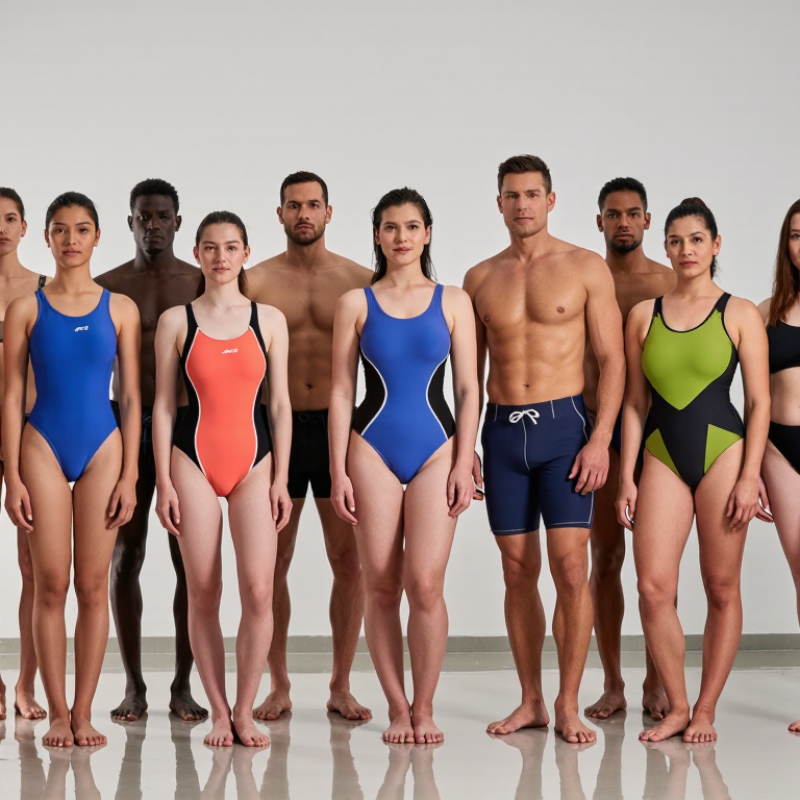
For global buyers in 2026, swimwear categories will reflect different bodies, climates, and activities. Grand View Research valued the global swimwear market at approximately USD 20.84 billion in 2023. It also forecasts a 4.1% compound annual growth rate from 2024 to 2030. These figures support steady demand for commercial, resort, and performance swimwear.
One-piece swimsuits remain practical for swimming schools, hotels, and active travelers. Bikinis continue to serve fashion-led and warm-weather markets, especially with adjustable straps and mix-and-match sizing. Swim shorts are important in men’s and unisex collections. Rash guards and long-sleeve suits answer growing demand for sun coverage and water sports. Modest swimwear also deserves attention, although regional preferences vary sharply. Fit remains decisive.
Performance buyers often seek chlorine resistance, quick-drying fabric, secure seams, and clear UPF information. Textile Exchange’s Materials Market Report highlights the continuing scale of synthetic fiber use, while also stressing the need for better material accountability. Recycled nylon and polyester may attract responsible sourcing teams, but certificates and traceability matter more than vague claims. Small details matter.
Forecasts are not promises. A buyer may overestimate demand for minimal bikinis in a conservative market. Another may ignore hot-weather customers who prefer full coverage. Product testing, local sales data, and size feedback should guide the final assortment. I would also leave room for correction, because global categories never behave uniformly.
What Are the Top Swim Suits for 2026 Global Buyers?
Key Materials and Technologies in 2026 Swimsuit Design
In 2026, swimsuit buyers should examine fiber engineering, not only color or cut. Textile Exchange’s Materials Market Report 2024 recorded 124 million tonnes of global fiber production in 2023. Polyester remained the dominant fiber, increasing pressure to select recycled or lower-impact inputs. Recycled nylon, solution-dyed yarns, and bio-based elastane are gaining attention. Yet “eco” does not automatically mean durable. Durability matters.
Performance design is becoming more measurable. Chlorine-resistant finishes can protect stretch recovery during repeated pool use. Ultraviolet protection, flatlock seams, and knitted compression improve comfort without adding bulky layers. Digital knitting can reduce cutting waste and support closer size grading. The 2024 Circularity Gap Report estimated global circularity at only 7.2%. That figure should challenge supplier claims. A recyclable swimsuit is not truly circular if collection systems are absent. In practical testing, salt, sunscreen, and heat often expose weak elastane before laboratory results do. No fabric wins every test.
Tips: Request abrasion, chlorine, colorfastness, and stretch-recovery data. Check fiber percentages and certification scope, not only hangtag language. Prefer fewer mixed fibers when recycling access matters. Test fit after ten washes. Small details reveal large costs.
What Are the Top Swimsuits for 2026 Global Buyers?
Choosing a swimsuit should begin with activity, not fashion alone. For lap swimming, select a close-fitting one-piece with secure straps and chlorine-resistant fabric. Surfing needs firm support, flat seams, and coverage that stays in place during movement. Beach holidays allow adjustable bikinis, but strong linings reduce transparency when wet. Water aerobics benefits from wider straps and moderate compression. According to Grand View Research’s 2024 swimwear analysis, the global market was valued at about USD 20.8 billion in 2023, with steady growth expected through 2030. That growth reflects broader demand for comfort, performance, and versatile design.
Body shape should guide construction, never limit choice. Fuller busts may need adjustable straps and a supportive underband. Straight silhouettes can explore textured panels or contrasting colors. Curvier hips often feel more secure in higher-rise bottoms with firm side seams. For longer torsos, adjustable one-piece straps prevent uncomfortable pulling. Fit testing matters. Sizing remains messy across countries, and I still find measurement charts imperfect. A suit should allow two fingers under the strap, without digging into skin. Check movement, too. Raise both arms and sit down before buying.
Tips: Measure your bust, waist, and hips in centimeters. Compare those numbers with the seller’s chart. Read fabric details carefully. Textile Exchange’s Materials Market Report 2024 recorded global fiber production at 124 million tonnes in 2023, increasing attention on recycled and lower-impact materials. Look for durable fabric, reliable stitching, and care instructions. A cheaper suit can become expensive after one season. That is not always obvious.
| Activity / Use Case | Recommended Swimsuit Type | Key Performance Features | Coverage and Support | Body-Type Fit Guidance | Best Fabric and Construction | Buyer Considerations for 2026 |
|---|---|---|---|---|---|---|
| Lap swimming and training | Streamlined one-piece or performance swimsuit with wide straps | Low drag, secure fit, chlorine resistance, quick drying | Medium-to-high bust support; moderate to full seat coverage; fixed straps preferred | Suitable for most body shapes; color panels can visually define the waist | Polyester or polyester-blend fabric with strong elastane recovery; flat seams and lined front | Prioritize durability, size consistency, and resistance to frequent pool chemicals |
| Competitive racing | Technical racing suit with close body compression | Hydrodynamic surface, secure leg openings, minimal seam bulk | High torso coverage and stable straps; compression should feel firm but not restrictive | Choose by measured chest, waist, hip, and torso length rather than usual clothing size | High-density woven or knitted technical fabric with reinforced stitching | Provide detailed measurement charts and clarify whether the fit is training or race-tight |
| Surfing, paddleboarding, and water sports | Long-sleeve rash-guard swimsuit or supportive two-piece set | Secure movement, sun coverage, abrasion protection, and fast drying | Full or three-quarter sleeve options; drawcords and secure bottoms help prevent shifting | High-waisted bottoms can provide abdominal coverage; adjustable tops suit changing bust proportions | UPF-rated stretch fabric, flatlock seams, lined panels, and chlorine- and saltwater-resistant fibers | Useful for tropical and high-UV markets; include accurate sleeve and UPF information |
| Beach holidays and resort wear | Bikini, tankini, or one-piece with coordinated cover-up | Comfort, style versatility, removable padding, and easy packing | Coverage ranges from minimal to full; adjustable straps and tie details improve flexibility | Tankinis suit buyers wanting midsection coverage; high-rise bottoms provide more waist and hip coverage | Soft stretch fabric with opaque lining, colorfast dyes, and durable UV exposure performance | Offer mix-and-match sizing because bust, waist, and hip measurements often differ |
| Family swimming and active recreation | Sporty one-piece, swim dress, or secure tankini | Comfort during prolonged wear, secure coverage, easy care, and reliable support | Moderate-to-full coverage; built-in shelf bra or soft cups may improve comfort | A-line swim dresses can skim the hips; wide straps are helpful for fuller busts | Soft lined polyester-elastane with reinforced straps and durable elastic | Focus on comfort, easy washing, broad size ranges, and clear coverage descriptions |
| Maternity swimming | Maternity one-piece or adjustable tankini | Stretch for a changing abdomen, gentle support, comfort, and easy dressing | Adjustable side gathers, supportive bust lining, and secure but non-compressive leg openings | Designed for pregnancy changes; select size using current bust and hip measurements plus product guidance | High-stretch opaque fabric, soft lining, wide straps, and adjustable panels | Avoid rigid compression and provide trimester-friendly fit information |
| Plus-size and fuller-bust fit | Supportive one-piece, underwire-style swimsuit, or bra-sized bikini top | Bust support, shape retention, comfortable compression, and stable straps | Wide adjustable straps, a higher back, power mesh, and full seat coverage are useful | Draped panels can reduce cling; wrap fronts and vertical lines can visually lengthen the torso | High-recovery fabric, lined front, supportive inner construction, and reinforced strap attachment | Use inclusive grading, separate bust and bottom size options, and model multiple body proportions |
| Petite or shorter torso | High-leg one-piece, adjustable bikini, or short-torso swimsuit | Reduced excess fabric, adjustable placement, and balanced proportions | Moderate coverage with adjustable straps and a leg line that does not cut across the hip | High-cut legs and vertical details can create a longer visual line; avoid overly long torso lengths | Lightweight stretch fabric with adjustable hardware and correctly scaled cup placement | Publish torso-length measurements, not only bust, waist, and hip measurements |
| Tall or long torso | Long-torso one-piece, adjustable-strap suit, or two-piece set | Adequate torso length, flexible strap adjustment, and comfortable seat coverage | Longer body and adjustable straps reduce pulling at the shoulders and leg openings | Two-piece designs remove torso-length limitations; long-torso cuts improve one-piece comfort | High-stretch fabric with extended torso grading and durable elastic recovery | Show garment torso length and fit-model height to reduce cross-border size uncertainty |
| Modest and sun-protective swimming | Full-coverage swim set with long-sleeve top and swim leggings | Sun protection, opacity when wet, secure movement, and fast drying | High neckline, long sleeves, and ankle- or calf-length bottoms depending on preference | Relaxed silhouettes accommodate different body shapes; adjustable hems improve fit | UPF-rated opaque stretch fabric with flat seams and low-water-absorption construction | State UPF test information, wet opacity, fabric weight, and regional care requirements |
| Cold-water swimming | Neoprene wetsuit or thermal swim suit | Thermal insulation, wind resistance, flexibility, and secure seals | Full-body coverage; thickness and paneling should match water temperature and activity level | Fit must be close without restricting breathing or shoulder rotation; consult chest and height ranges | Flexible neoprene with glued or blind-stitched seams and smooth inner lining | List material thickness, recommended temperature range, zipper position, and care instructions |
Selection note: The best swimsuit depends on activity, water conditions, desired coverage, bust support, torso length, and personal comfort. Buyers should compare body measurements with each garment’s size chart rather than relying only on standard size labels.
Regional Preferences Shaping the Global Swimsuit Market
Global swimsuit buyers rarely want one universal design. Climate, body expectations, activity levels, and local shopping habits shape each purchase. In Australia and southern Europe, buyers often favor durable one-piece suits and streamlined bikinis for frequent outdoor swimming. They check fabric recovery, saltwater resistance, and sun protection. In North America, demand is more divided. Competitive swimmers seek low-drag construction, while vacation shoppers prefer adjustable straps, pockets, and flexible coverage.
Asian markets often show stronger interest in modest silhouettes, smooth lining, and smaller size increments. These details can reduce returns when regional body measurements differ. In parts of the Middle East, long-sleeved swimwear and higher necklines may support comfort, privacy, and active use. Buyers also inspect drying speed, opacity when wet, and seam security. These are practical concerns, not minor styling choices.
Retail data can reveal patterns, but it needs careful reading. A high return rate may reflect poor sizing information rather than weak product demand. I have seen buyers compare garment measurements against familiar clothing before ordering. That habit is useful, yet inconsistent sizing still causes confusion. Color preferences also shift by region: bright coral may suit resort markets, while black, navy, and muted green often signal versatility. Suppliers should test fit samples with local users, verify fiber claims, and avoid treating regional preferences as fixed rules. Habits change quickly.
In 2026, global swimwear buyers will look beyond bright colors and seasonal prints. Sustainability, fit, and comfort will shape practical purchasing decisions. Recycled fibers can reduce dependence on new materials, but they are not automatically harmless. Buyers should check fiber content, production records, and care instructions. A swimsuit that lasts three summers may create less waste than a cheaper suit replaced yearly.
Fit standards will become more specific. Adjustable straps, supportive linings, and flexible waistbands can serve different body shapes. Flat seams help reduce rubbing during swimming, travel, or long beach walks. The leg opening should stay secure without leaving deep marks. I have found that fitting tests under movement reveal problems that mirror checks often miss. Bend, stretch, and sit down.
Comfort also depends on fabric recovery. After repeated use, quality material should return to its original shape without feeling stiff. Chlorine resistance matters for frequent pool users, while quick drying helps travelers packing limited clothing. However, no fabric performs perfectly in every environment. A sustainable textile may feel less soft, and a highly durable blend may be harder to recycle. Buyers should weigh these compromises honestly. Clear size charts, tested measurements, and transparent supplier documentation remain more reliable than polished product language.
