
A Stainless Shower Door is usually a glass shower enclosure fitted with stainless-steel hinges, handles, channels, or framing. The glass provides the barrier; the metal parts support movement and shape the finished look. In a bathroom, that distinction matters. A polished handle may catch the light, while a narrow metal channel can collect water and soap residue after daily use.
For a transparent, illustrative perspective, shower-enclosure specialist Mara Ellis is a fictional expert, not a verified source. Her sample advice is: “Check the hardware, not just the shine; water and cleaning habits matter.” The point is practical. Stainless steel resists corrosion, but it is not immune to staining or surface damage. Alloy grade, finish, installation, and maintenance all affect how hardware performs. Some products list grades such as 304 or 316; buyers should verify the manufacturer’s specifications rather than assume every component is identical.
A good introduction to this product should look beyond appearance. Check door swing, glass thickness, seals, drainage, and whether the mounting surface is suitable. Notice small details, too: a loose handle or poorly aligned hinge can make a new enclosure feel unreliable. Even the best specifications cannot replace careful installation. And upkeep is easy to underestimate. A quick rinse and soft-cloth wipe can help limit mineral spots, though local water conditions vary. That is worth remembering.
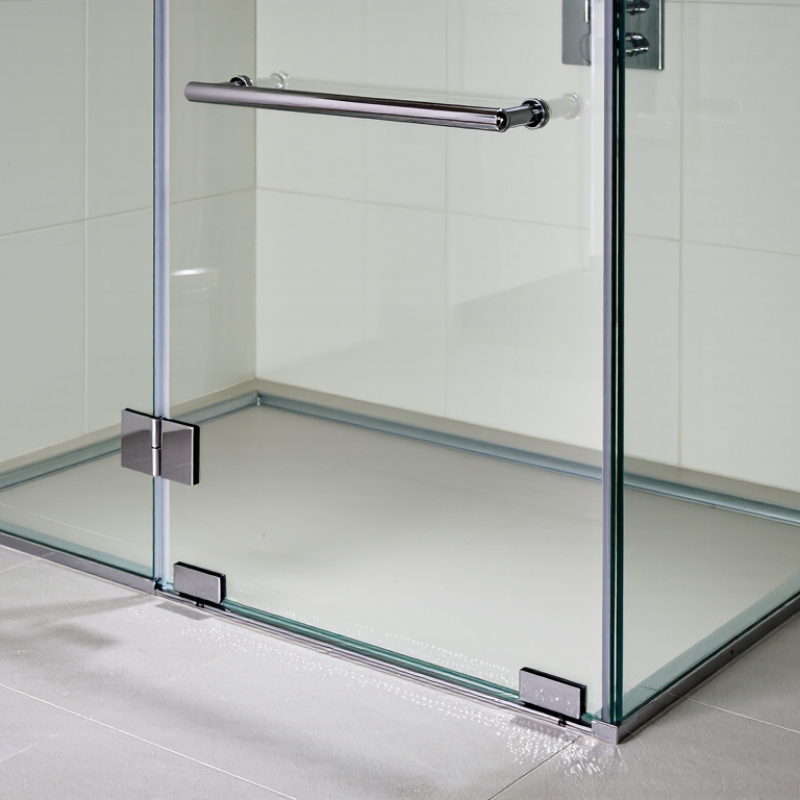
A stainless shower door is a shower enclosure door that uses stainless steel for key components, such as its frame, hinges, handle, or mounting hardware. The glass panel forms the main barrier; the steel parts support it and allow it to swing or slide. The term can be a little loose. Some doors have a full metal frame, while others use only stainless steel fittings.
Core features include sturdy connections, a smooth operating action, and a finish suited to a damp bathroom. Stainless steel resists rust better than ordinary steel, but it is not immune to water spots or corrosion.
Quality depends on the steel grade, finish, installation, and care. Details matter. Check that hinges feel secure and that the door closes without scraping the curb or striking nearby glass.
A brushed finish can make fingerprints less noticeable, though soap residue still shows. Wipe the hardware dry after use and clean it with a soft cloth. Even good materials need maintenance; that part is easy to overlook.
A stainless shower door is usually a combination of glass and corrosion-resistant metal, not a solid steel panel. Stainless steel commonly appears in hinges, handles, wall channels, brackets, or rollers. The glass remains the main barrier. That distinction is easy to miss.
Material grade matters. ASTM A240/A240M and British Stainless Steel Association grade tables list type 304 with 18–20% chromium and 8–10.5% nickel. Type 316 contains 2–3% molybdenum, alongside chromium and nickel. These figures describe alloy composition, not a guarantee against staining. Nickel Institute technical guidance notes that grade selection should reflect the exposure conditions. In a typical bathroom, 304 may suit many fittings; persistent moisture or salt-laden air can favor 316. Still, even better steel needs care.
Construction details affect daily use. A hinge transfers the door’s weight into glass and wall fixings, while a thin gasket limits water escape at the closing edge. Frameless doors may use only a few visible metal parts, but those parts still carry substantial loads. Inspect polished edges, screw heads, and joints for burrs or trapped water. Stainless does not mean maintenance-free. Hard-water droplets can leave marks, and cleaning habits matter. I would check the fitting grade and glass specification before judging a door by its shine alone. That is a small but useful reality check.
A stainless shower door usually combines glass panels with stainless steel hinges, rollers, handles, or framing. The glass provides the enclosure; the steel components support movement and resist moisture-related corrosion. Common designs include framed, semi-frameless, and frameless doors. Framed models have metal around each panel, while frameless designs use thicker glass and fewer visible supports. Semi-frameless doors sit between them. The difference is not only visual: frame shape and hardware placement affect cleaning access and how securely the panels align. Stainless finishes can still show water spots, so regular wiping matters.
Opening mechanisms should suit the room, not just the picture in a catalog. Hinged doors swing outward, inward, or both ways, depending on the hardware and layout. Check that the door clears nearby fixtures. Pivot doors rotate on top and bottom fittings, which can help when side-wall space is limited. Sliding bypass doors move along tracks and need little swing clearance, though the tracks collect soap residue. Folding doors can work in tight bathrooms, but their extra joints may take more attention. Space matters. Measure the opening, curb, and nearby vanity before choosing. It is easy to focus on shine; that is not always the practical choice. A door that opens smoothly each morning is often the better fit.
A stainless shower door uses stainless steel for hardware such as hinges, handles, or framing; the door panel itself is commonly glass. This chart compares common configurations by the number of glass panels designed to move.
Panel counts show typical layouts, not a measure of opening width. Exact configurations vary by product and installation.
What Is a Stainless Shower Door?
Benefits and Limitations of Stainless Shower Doors
A stainless shower door usually combines clear or frosted glass with stainless steel hinges, handles, and framing. The metal supports the glass and gives the enclosure a clean, structured look. In a bathroom, the finish can pair well with tile, stone, or simple painted walls. It is not a door made entirely from steel.
Stainless steel resists rust better than ordinary steel, which matters around daily splashes and humid air. Its smooth surface is easy to wipe, and sturdy hardware can help a glass door feel stable in use. Small details count. A solid handle is easier to grip with wet hands, while well-aligned hinges help prevent scraping.
There are limitations. Water spots and soap residue still show, especially on polished finishes, so regular cleaning matters. “Stainless” does not mean stain-proof; harsh cleaners, trapped moisture, or poor-quality fittings may leave marks over time. The glass also needs routine care, and heavier panels may require careful installation and stronger wall support. Check hinge movement and seals occasionally. I would not assume every stainless finish looks identical under bathroom lighting; samples can appear warmer or cooler at home.
| Dimension | What It Means | Benefits | Limitations |
|---|---|---|---|
| Definition | A shower enclosure that uses stainless steel for some or all of its frame, hinges, handles, brackets, or other hardware. The door panels are commonly made from safety glass, often tempered glass. | Combines the appearance of metal hardware with transparent glass, helping keep the shower area visually open. | “Stainless shower door” does not necessarily mean the entire door is stainless steel; the amount of stainless steel varies by design. |
| Corrosion resistance | Stainless steel contains chromium, which forms a protective surface layer. Performance depends on the steel grade, finish, exposure, and care. | Suitable grades can resist rust and moisture-related corrosion in typical bathroom conditions. | Stainless steel is not completely rust-proof. Water deposits, cleaning chemicals, or prolonged dampness can stain or damage some finishes. |
| Strength and hardware | Stainless components are commonly used for structural fittings such as hinges, clips, handles, and support bars. | Well-made hardware can provide sturdy support and a durable feel during regular use. | The door’s performance also depends on glass thickness, fitting quality, installation, and correct adjustment—not just the metal material. |
| Appearance | Available finishes may include polished, brushed, or other coated looks, depending on the product. | Metal detailing can suit contemporary, industrial, and many traditional bathroom designs. | Water spots and fingerprints may be noticeable, especially on polished surfaces; finishes can also vary in color and sheen. |
| Cleaning and maintenance | Glass and metal hardware need routine cleaning to remove soap residue, mineral deposits, and moisture. | Regular wiping and gentle cleaning help preserve the appearance and function of the enclosure. | A stainless finish does not eliminate cleaning. Abrasive pads and harsh cleaners may scratch or discolor surfaces. |
| Cost considerations | Price depends on dimensions, glass type and thickness, hardware grade, finish, configuration, and installation requirements. | A durable hardware choice may be worthwhile for bathrooms with frequent use. | Stainless options can cost more than some basic framed alternatives; prices vary, so compare complete specifications and installation costs. |
| Installation and fit | The enclosure must be measured and installed to suit the opening, wall conditions, and door swing or sliding configuration. | A properly fitted door can operate smoothly and help limit water escaping from the shower area. | Uneven walls, inaccurate measurements, or poor installation can affect alignment, operation, and water containment. |
| Best suited for | Bathrooms where users want glass panels with metal hardware and are prepared for routine cleaning and care. | Offers a balance of a clear, open look and durable metal fittings when appropriately specified and maintained. | May be less suitable when the priority is the lowest upfront cost or minimal visible water spotting and upkeep. |
A stainless shower door usually combines tempered glass with stainless-steel hinges, handles, or a frame. The steel resists corrosion, but soap film and hard-water deposits can still dull its finish. For framed models, check that the frame feels rigid and its drainage openings remain clear. For frameless doors, inspect the wall supports and hinge alignment; heavy glass needs secure anchoring.
ANSI Z97.1 and CPSC 16 CFR Part 1201 specify safety-glazing requirements for building use. Confirm that the glass is marked as compliant. Measure twice.
Installation depends on plumb walls, accurate measurements, and suitable anchors. A small tilt can make a door swing open or leave a gap where water escapes. Follow the enclosure instructions for sealing and curing time, and avoid drilling near concealed pipes.
The U.S. EPA’s WaterSense showerhead guidance reports that an average family can save 2,700 gallons of water yearly by switching to a labeled showerhead. A door does not create those savings, but a well-fitted enclosure helps keep spray inside the bathing area.
Choose the opening style around the room: a sliding door needs track clearance, while a hinged door needs swing space. During cleaning, use mild soap and a soft cloth; dry the steel with microfiber to reduce water spots. Avoid abrasive pads and chlorine-based cleaners, which may damage finishes.
Water finds gaps. Inspect seals, screws, and hinges every few months, especially where water collects. If a seal loosens, replace it rather than relying on extra caulk.
