
What Is a Sunnykinte Umbrella Manufacturer?

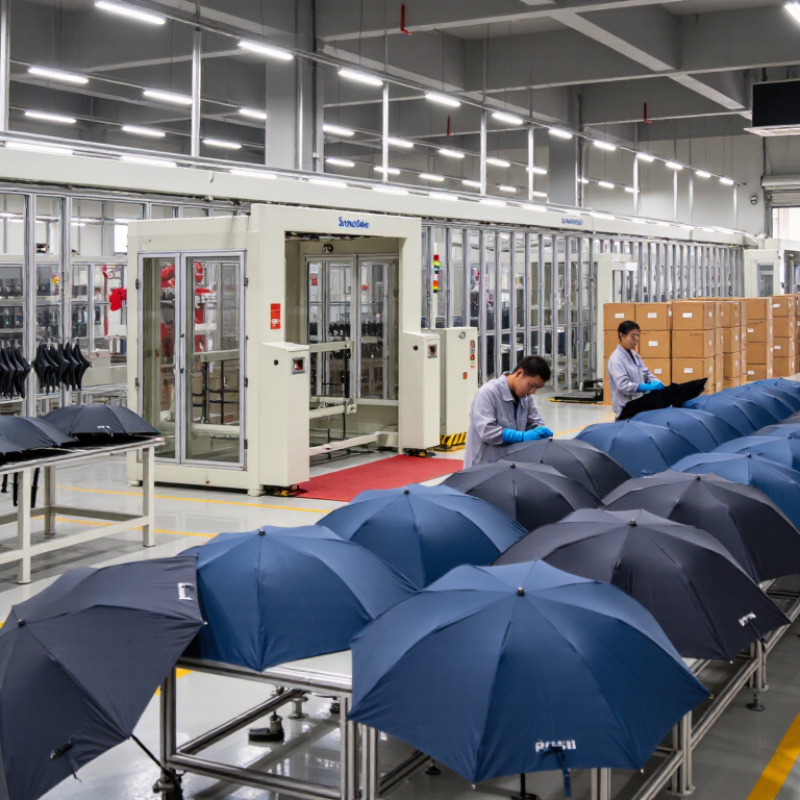
What Is a Sunnykinte umbrella manufacturer? The answer requires more than a brand name. A Sunnykinte umbrella manufacturer should be understood as a company that develops, sources, produces, and quality-checks umbrellas under the Sunnykinte name. Its responsibilities may include fabric selection, frame engineering, handle design, packaging, and shipment coordination. The factory floor matters. A reliable producer should control stitching, rib alignment, opening tension, and water-resistant finishing.

Market data shows why this role deserves closer attention. Grand View Research reports that the global umbrellas market is expanding, supported by demand for compact, fashion-led, and weather-protection products. Fortune Business Insights also identifies growing interest in durable and portable umbrella designs. However, market estimates differ by research method, product definition, and regional coverage. That uncertainty should not be ignored. It reminds buyers to verify claims rather than repeat attractive figures.

A capable Sunnykinte umbrella manufacturer should provide material specifications, production samples, inspection records, and clear communication about manufacturing capacity. Buyers may examine polyester density, fiberglass or metal ribs, canopy seams, automatic mechanisms, and corrosion resistance. These details become visible during a rainy commute, when a weak shaft bends beside a crowded train entrance. Certifications and factory audits can strengthen confidence, but paperwork alone is not proof of performance. Real product testing remains essential.

The term “manufacturer” can also be used loosely. Some businesses manufacture directly, while others coordinate approved factories or private-label production. That distinction matters. A careful buyer should ask who owns the equipment, where assembly occurs, and how defects are handled. The evidence may be incomplete. Still, transparent answers reveal far more than a polished catalog.
What Is a Sunnykinte Umbrella Manufacturer?

Definition and Role of a Sunnykinte Umbrella Manufacturer

A Sunnykinte umbrella manufacturer is a company that designs, develops, and produces umbrellas for commercial or private buyers.

Its role extends beyond sewing fabric onto metal ribs. The manufacturer selects canopy materials, tests frame strength, manages production, and prepares goods for shipment.

Reliable work begins with clear specifications. Handle shape, opening method, canopy size, fabric weight, and color should be confirmed before sampling.

In practical sourcing, a professional manufacturer usually provides prototypes before mass production. A buyer can check stitching, rib alignment, button response, and water resistance.

Factory staff should also inspect fabric rolls and finished cartons. Small defects matter. A loose thread may reveal weak finishing control. A crooked runner can make an otherwise attractive umbrella difficult to use. Production records, sample approvals, and inspection photos improve traceability.

The manufacturer also coordinates suppliers and delivery schedules. This reduces confusion when components come from different workshops.

However, no production system is flawless. A checklist may miss a problem that appears after repeated opening and closing. For this reason, experienced teams combine measurements with real-use testing.

They should communicate delays honestly and correct defects before dispatch. A dependable umbrella manufacturer is not defined only by price or capacity. Its value comes from consistent workmanship, transparent communication, and the ability to improve after mistakes.

Umbrella Types and Product Design Capabilities

What Is a Sunnykinte Umbrella Manufacturer?

A professional umbrella manufacturer develops, tests, and produces umbrellas for different weather and retail needs. Its capabilities usually cover compact folding umbrellas, straight umbrellas, golf umbrellas, children’s umbrellas, beach umbrellas, and wind-resistant outdoor models. Each type requires different engineering decisions, including canopy size, frame strength, shaft length, handle shape, and closing mechanism.

Product design begins with use conditions. A commuter model may need a 20-inch canopy, lightweight ribs, and a quick-drying polyester fabric. A golf umbrella may require a canopy exceeding 60 inches, reinforced joints, and a stronger fiberglass frame. Designers also consider fabric tension, water repellency, pinch protection, packaging volume, and printing accuracy. Small details matter.

Market data supports this product diversity. Grand View Research estimated the global umbrella market at about USD 7.1 billion in 2023, with continued growth expected through 2030. Fortune Business Insights also reported steady market expansion, driven by urban commuting, seasonal rainfall, and demand for customized products. These figures are useful, but forecasts can differ by research method.

A reliable manufacturer should provide material samples, engineering drawings, prototype testing, and inspection records. Testing may include wind resistance, repeated opening cycles, colorfastness, and water-shedding performance. Not every attractive prototype deserves production. Some handles feel comfortable but fail after repeated impact. Better design comes from testing, adjustment, and honest review of those failures.

What Is a Sunnykinte Umbrella Manufacturer? - Umbrella Types and Product Design Capabilities

A practical overview of common umbrella categories, construction features, materials, and product development capabilities.

Umbrella Type Typical Structure Common Materials Typical Use Product Design Considerations Relevant Development Capability
Straight Umbrella Full-length shaft with a manual or automatic opening mechanism. Polyester or pongee canopy, steel or fiberglass ribs, metal or fiberglass shaft. Daily commuting, residential use, promotional programs. Balance, shaft strength, handle comfort, canopy coverage, and closure method. Pattern development, component selection, opening-cycle evaluation, and sample approval.
Folding Umbrella Telescopic shaft with two, three, or more folded sections. Polyester or pongee fabric, aluminum or steel shaft, steel or fiberglass ribs. Travel, handbags, backpacks, and compact everyday carry. Collapsed length, folded canopy volume, automatic mechanism reliability, and weight. Compact mechanism design, 2D or 3D modeling, prototype fitting, and packaging optimization.
Golf Umbrella Large straight-frame construction with an extended canopy span. Polyester or pongee canopy, fiberglass ribs, fiberglass or steel shaft. Golf courses, outdoor events, walking, and shared coverage. Canopy stability, rib flexibility, grip ergonomics, and overall frame durability. Large-canopy pattern engineering, frame-load assessment, and ergonomic handle design.
Inverted Umbrella Reverse-folding canopy designed to close inward. Water-resistant polyester or pongee, reinforced ribs, steel or fiberglass frame. Vehicle entry, crowded sidewalks, and indoor transition areas. Reverse folding geometry, water containment, balance, and pinch-point control. Kinematic design, mechanism prototyping, safety review, and closure-force evaluation.
Children’s Umbrella Small straight or folding frame with child-oriented proportions. Polyester canopy, rounded or covered tips, fiberglass or lightweight metal frame. School travel, family outings, and supervised outdoor use. Lightweight construction, rounded edges, easy operation, and age-appropriate dimensions. Safety-focused component review, grip sizing, visual design, and user-oriented prototyping.
Sun Protection Umbrella Straight or folding frame with a canopy designed for shade. Polyester, pongee, or coated fabric; aluminum, steel, or fiberglass frame. Commuting, outdoor leisure, travel, and warm-weather events. Canopy opacity, heat management, colorfastness, weight, and ventilation. Fabric specification, color development, coating selection, and performance testing coordination.
Clear Umbrella Straight or dome-style frame using a transparent canopy. PVC or other transparent polymer film, metal or fiberglass frame. Fashion use, events, photography, and improved visibility in rain. Film clarity, seam construction, odor control, flexibility, and drainage behavior. Transparent-material sourcing, seam evaluation, print positioning, and visual inspection.
Patio or Market Umbrella Large fixed or crank-operated canopy supported by a central pole. Solution-dyed polyester or acrylic fabric, aluminum or steel pole, fiberglass or metal ribs. Outdoor dining, terraces, gardens, cafés, and market stalls. Base compatibility, UV exposure, wind management, opening effort, and maintenance. Large-format pattern making, hardware integration, material durability review, and installation guidance.
Core Product Design Capabilities: concept development, CAD modeling, canopy pattern engineering, fabric and frame selection, color and print development, prototype sampling, mechanism evaluation, dimensional inspection, packaging design, and coordination of applicable material and performance tests.

Materials, Manufacturing Processes, and Quality Standards

What Is a Sunnykinte Umbrella Manufacturer?

A Sunnykinte umbrella manufacturer develops umbrellas from material selection through final inspection. The work begins with canopy fabric, frame metals, ribs, and handle components. Polyester pongee remains common because it dries quickly and holds printed color. Recycled polyester can reduce virgin-plastic use, but certification and traceability still matter. Textile Exchange’s 2024 Materials Market Report shows recycled polyester remains a major recycled-fiber category, although supply transparency remains uneven.

Manufacturing usually includes fabric weaving, water-repellent finishing, panel cutting, stitching, frame assembly, and handle fitting. Workers check seam alignment under bright inspection lamps. They also test opening force, runner movement, canopy tension, and rib flexibility. Fiberglass ribs resist corrosion, while steel frames often provide stronger structural support. Aluminum reduces weight, but thin sections may deform more easily. There is no perfect material choice.

Quality control should follow documented procedures, not visual judgment alone. ISO 9001 supports consistent process management, while ISO 2859-1 provides sampling guidance for batch inspections. Practical tests may include repeated opening cycles, water spray, colorfastness, UV exposure, and controlled wind testing. Grand View Research’s umbrella market analysis projects continued mid-single-digit growth, increasing pressure for reliable, repairable products. Yet laboratory wind results do not reproduce every gust, wet pavement, or careless opening. That limitation deserves honest reporting.

Customization, Branding, and Order Fulfillment Services

A professional umbrella manufacturer does more than produce canopies and handles. It turns a rough product idea into a repeatable, market-ready item. Customization may include canopy size, frame material, opening mechanism, handle shape, fabric color, and wind-resistant construction. Technical drawings and physical samples help confirm proportions before bulk production begins. Small details matter.

Branding requires careful control. Logos can be screen printed, digitally printed, heat transferred, or woven into labels. Placement should remain visible without weakening the fabric.

Color references need written approval because digital previews may differ from finished materials. Packaging can also carry printed sleeves, care cards, barcodes, and protective inserts. Keep the message clear.

Order fulfillment connects production with delivery. An experienced supplier should confirm quantities, inspection standards, carton dimensions, and shipping documents before dispatch. Sample approval, in-line checks, and final inspections reduce avoidable defects. Tracking updates should be shared promptly, not after a problem appears.

Still, no process is perfect. A color mismatch or delayed component can happen, so realistic timelines and honest communication are essential. Buyers should ask about minimum order quantities, replacement procedures, and storage options before committing. That practical conversation often reveals more than a polished catalog.

How to Choose and Work with a Sunnykinte Umbrella Manufacturer

A reliable umbrella manufacturer does more than stitch fabric to a frame. It develops practical products for rain, sunlight, travel, or promotional use. The right partner should explain fabric weight, waterproof coating, frame materials, handle options, and printing limits clearly. Ask for a physical sample before approving production. Photos can hide weak ribs, uneven seams, or a loose runner.

Choose a manufacturer with documented quality procedures and consistent communication. Request details about minimum order quantities, sample fees, production time, packaging, and inspection steps. A capable team should provide measurable information, not vague promises. Check whether the factory tests opening cycles, water resistance, stitching strength, and wind performance. A third-party inspection can reveal problems before shipment. I have learned that the lowest quotation is rarely the complete cost. Rework, delayed delivery, and damaged cartons can change the calculation.

Tips: Send a precise specification sheet with dimensions, colors, logo files, fabric requirements, and packaging instructions. Keep one approved sample as the production reference. Confirm every change in writing. Start with a smaller order when the relationship is new. This approach costs more attention, but it exposes weaknesses early. Be willing to revise your design; a decorative feature may reduce durability or increase production errors. Ask direct questions, especially when an answer sounds too easy.

Contact Us
