

 English
 España
 عرب
عرب 简体中文
简体中文10 Tips for Buying Outdoor Sets Wholesale
Buying Outdoor Sets wholesale is not simply a search for the lowest unit price. It is a practical decision involving demand, durability, freight, storage, and customer expectations. A patio set may look attractive in a showroom, yet fail after one wet season if its frame, coating, or fasteners are poorly specified. Small details matter. Chair stacking, carton strength, cushion density, and replacement parts can influence profit more than a discount.
Grand View Research’s 2024 assessment places the global outdoor furniture market on a continued growth path through 2030. Its analysis highlights residential demand, hospitality projects, weather-resistant materials, and online retail as important growth factors. Statista market data also shows sustained consumer interest in improving outdoor living spaces in major markets. These figures are useful, but they are not guarantees. Market definitions differ, and projections can miss sudden freight increases, weather disruptions, or changing design preferences.
This guide presents ten practical checks for evaluating wholesale Outdoor Sets. It focuses on supplier verification, material specifications, quality control, packaging, minimum order quantities, and landed cost. A reliable buyer should request samples, inspect welds, test moving parts, and compare written specifications with the physical product. Do not trust polished photographs alone.
There is room for error. Even experienced buyers can underestimate storage space or seasonal demand. That is why each tip connects commercial data with visible, testable details. A sound purchase should survive both spreadsheet review and real-world handling. The best decision may not be the cheapest one. It should be repeatable, transparent, and defensible.
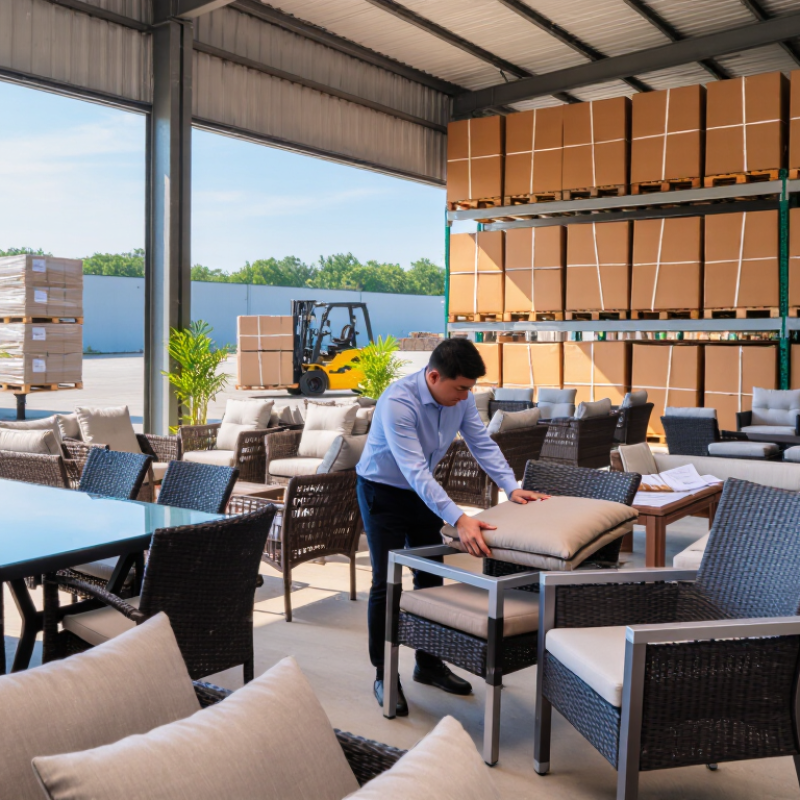
Define Your Outdoor Set Requirements and Wholesale Goals
Before requesting wholesale quotes, define exactly what your outdoor set must accomplish. Will it furnish balconies, restaurant patios, garden centers, or vacation properties? Measure the available space, including doorways, storage corners, and walking paths. Write it down. A practical specification might include four chairs, one table, weather-resistant cushions, and a neutral finish. Also record target dimensions, preferred materials, assembly needs, and expected outdoor exposure. Small details matter.
Your wholesale goal should connect product requirements with business numbers. Set a realistic landed-cost range, desired retail price, minimum order quantity, and acceptable defect rate. Include packaging costs, freight, replacement parts, and seasonal storage. A supplier may offer a low unit price, but oversized cartons can damage your margin. Ask for material samples, production photos, test reports, and a pre-shipment inspection process. These details help verify quality instead of relying on attractive catalog images.
Plan for customer behavior, not just showroom appearance. Lightweight aluminum may suit frequent rearrangement, while heavier frames can improve stability in windy locations. Consider color consistency across repeated orders and how cushions will be cleaned. I once underestimated storage space because I measured the assembled sets only. That estimate was wrong. Review your forecast against last season’s sales, then leave room for slower demand, damaged packaging, and changing weather. Clear goals make supplier comparisons more reliable and expose weak assumptions early.
| No. | Planning Dimension | Recommended Requirement | Wholesale Goal or Benchmark | Practical Buying Check | Priority |
|---|---|---|---|---|---|
| 1 | Define the End-Use Location | Identify whether the set will be used on a balcony, patio, garden, poolside area, hospitality terrace, or commercial outdoor space. |
Match the product to the expected exposure level:
|
Measure the available footprint and leave at least 60–90 cm of circulation space around seating where possible. | High |
| 2 | Set the Seating Capacity | Choose the number of seats required for the target customer and typical use case. |
Common wholesale configurations include:
|
Confirm the total seat count, table height, chair width, and whether extra chairs can be added later. | High |
| 3 | Specify the Frame Material | Select aluminum, galvanized steel, stainless steel, hardwood, or another frame material based on climate, weight, appearance, and budget. |
Prioritize:
|
Request frame-wall thickness, weld or joint details, coating information, and evidence of outdoor suitability. | High |
| 4 | Choose the Surface and Weave | Define the required tabletop and seating surfaces, such as tempered glass, ceramic, wood, rope, textilene, or synthetic wicker. |
Target materials that are:
|
Check edge finishing, weave tension, tabletop leveling, cleaning instructions, and replacement-part availability. | High |
| 5 | Define Cushion Requirements | Specify cushion thickness, foam type, fabric composition, removable covers, closure type, and drainage needs. | A practical residential target is approximately 5–10 cm of seat-cushion thickness, depending on the design and foam density. | Confirm whether the fabric is solution-dyed or otherwise designed for outdoor use, and request colorfastness and water-resistance information. | Medium–High |
| 6 | Establish Size and Packaging Limits | Record the assembled dimensions, folded or stackable dimensions, carton size, net weight, and gross weight. | Prefer stackable or knock-down designs when storage and freight efficiency are important. Set a maximum carton size that suits the planned warehouse and delivery method. | Compare packed volume per set, number of cartons per set, pallet configuration, and estimated storage space before placing the order. | High |
| 7 | Set the Target Wholesale Cost | Establish a target landed cost that includes product price, packaging, freight, duties, inspection, and expected handling costs. |
Use a cost worksheet with separate values for:
|
Compare suppliers using the total landed cost rather than the quoted unit price alone. | High |
| 8 | Determine the Order Quantity | Estimate demand by sales channel, season, available storage, and expected replenishment time. | Set a maximum initial commitment and a reorder trigger. For seasonal products, plan purchases several months before the peak selling period. | Confirm the minimum order quantity, quantity breaks, mixed-container rules, lead time, and production capacity before negotiating price. | High |
| 9 | Define Quality Standards | Create measurable acceptance criteria for dimensions, color, surface finish, stability, stitching, hardware, and packaging condition. |
Use a written tolerance guide, such as:
|
Approve a production sample or reference sample and arrange pre-shipment inspection before the balance payment when appropriate. | High |
| 10 | Plan Delivery and After-Sales Support | Define the required delivery window, shipping terms, documentation, spare parts, warranty process, and claim procedure. | Maintain a written schedule covering production, inspection, dispatch, transit, customs clearance, and local delivery. | Confirm replacement options for cushions, covers, hardware, glass panels, and other components that may be damaged or worn during use. | High |
Related Posts
-
10 Best Patio Furniture Sets for Wholesale Buyers
-
Unmatched Quality in Outdoor Dining Furniture from Global Leading Chinese Manufacturers
-
Top Outdoor Sets Tips for Global Buyers in 2026?
-

Transform Your Patio with the Perfect Outdoor Furniture Set for Ultimate Relaxation
-
10 Essential Tips for Choosing the Perfect Outdoor Garden Furniture
-

2026 How to Choose the Best Outdoor Tables for Your Patio or Garden?
-
- about us
- About Us
- Qualification
- Privacy
-
- Packaging products
- Hot Sale
- Outdoor Sofa Sets
- Outdoor Dining Sets
- Outdoor Loungers/Sunbeds
- Swing Chairs
- Single Chair

