

 English
 España
 عرب
 简体中文
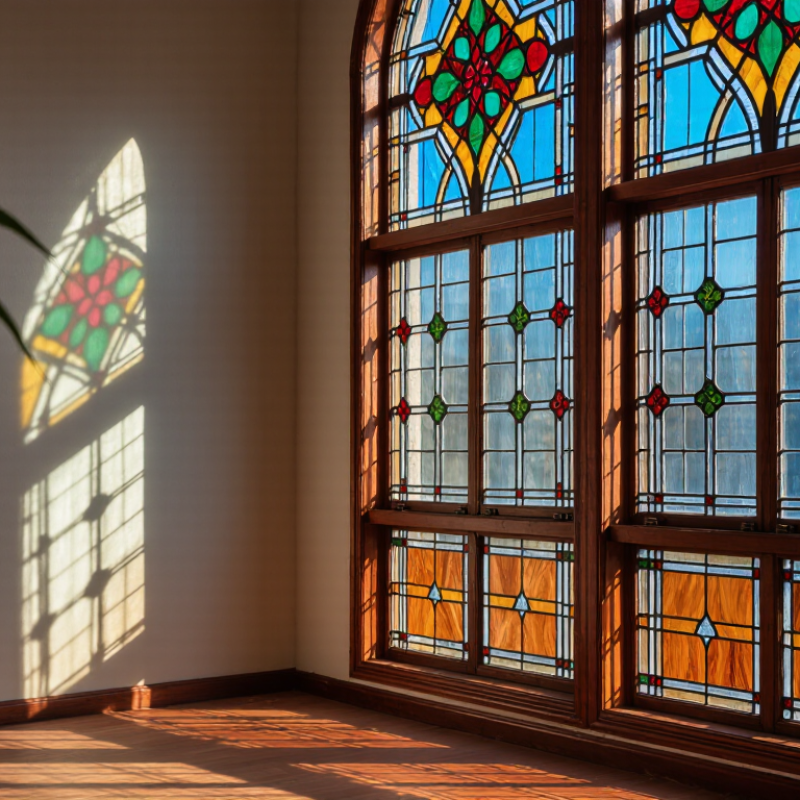
Why Choose Lead Stained Glass Windows for Your Project?
Designing a leaded glass window begins with its setting: the opening’s measurements, available daylight, viewing distance, and the building’s architectural character. A designer turns these details into a full-size pattern, dividing the image into pieces that can be supported by lead came. Glass is then selected for color, texture, and transparency. A blue piece may look quiet on a workbench but glow beside a sunlit wall. The U.S. Department of Energy’s 2011 Buildings Energy Data Book estimated that lighting used about 17% of commercial-building electricity. This is useful context for considering daylight, not evidence that stained glass itself saves energy.
During fabrication, artisans cut each piece to match the pattern, fit the pieces into lead channels, and solder the joints. They cement the panel to help stabilize and weather-seal it, then inspect the lines, joints, and fit before installation. The National Park Service’s Preservation Brief 33 recommends documenting and carefully assessing historic leaded-glass panels before repair. That caution matters: a visually small crack can affect neighboring pieces, and old panels may need specialist assessment rather than a quick replacement. Handmade work also has limits. Color and texture can vary slightly between pieces.
Tips: Bring opening dimensions and clear photos to the designer. Ask how the panel will be supported, protected from weather, and maintained. Request a full-size pattern before cutting begins. A little extra review helps.

