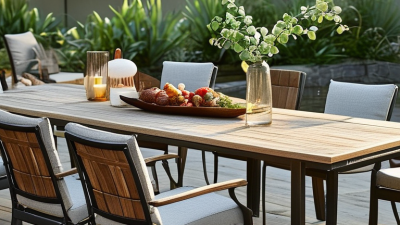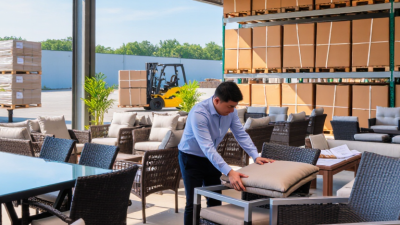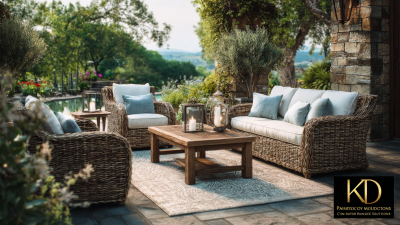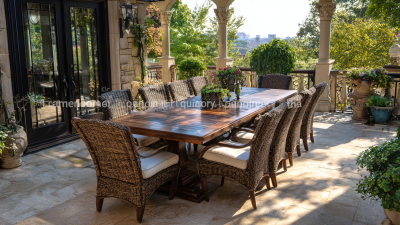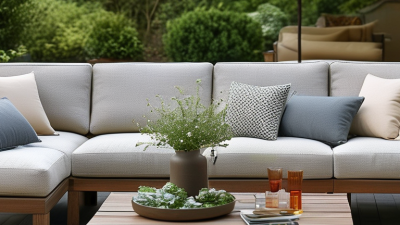
Outdoor Dining Sets can help a restaurant turn a plain patio into useful, welcoming seating. For owners, the choice affects more than appearance. It can shape guest comfort, table turnover, and how much of the outdoor area stays usable through a busy service. Restaurateur and hospitality expert Danny Meyer writes, “Hospitality is almost impossible to teach. It’s all based on relationships.” His point is relevant: furniture cannot create hospitality by itself, but unstable chairs, cramped tables, or harsh afternoon sun can make guests feel overlooked.
A useful guide should look closely at the practical details. It can compare materials, table sizes, chair comfort, weather resistance, and the effort needed for daily cleaning. Picture a server carrying two plates between tightly spaced tables, or a guest shifting a wobbly chair on uneven paving. Small details matter. The best set depends on the space, climate, menu, and service style—not simply on a showroom photograph. There are trade-offs, too: heavier furniture may feel secure but take longer to rearrange, while lightweight pieces can move in strong winds. Outdoor seating is not a universal fix. This article will explore how businesses can assess their needs, choose suitable Outdoor Dining Sets, and create an outdoor area that feels considered rather than merely furnished.
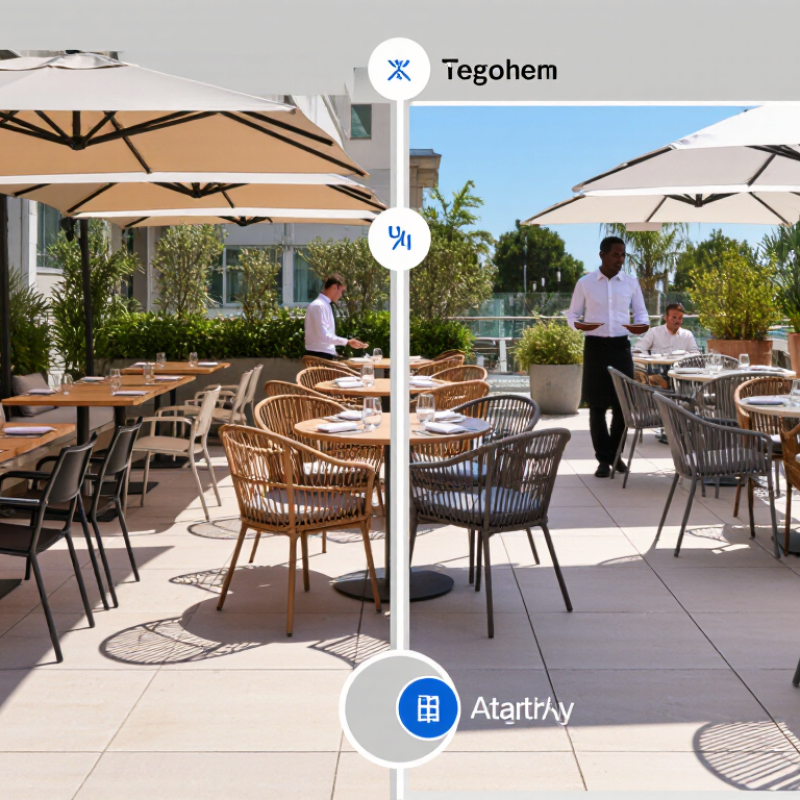
An outdoor dining set usually combines tables, chairs, and sometimes benches, umbrellas, or modular pieces. For a café, hotel, or taproom, these items turn a patio, courtyard, or sidewalk area into usable guest space. Choose stable tables that do not wobble on uneven paving, and chairs that staff can move without scraping loudly. Washable surfaces matter after spilled coffee or a windy lunch rush. Storage matters, too. A stackable chair can save time when the weather changes.
The investment is part of a growing category: Grand View Research valued the global outdoor furniture market at about $50.8 billion in 2023. The National Restaurant Association’s 2021 industry research reported that 67% of adults wanted restaurants to keep offering outdoor dining. That signals customer interest, not guaranteed revenue. A shaded table may attract guests on a mild afternoon, but heat, rain, noise, and service distance can undo the appeal. Measure walkways before buying; a crowded patio slows staff and frustrates guests. This is easy to overlook.
Businesses should match the set to daily operations, not just photographs. Lightweight furniture helps teams reset layouts, while heavier frames can stay put in breezy locations. Check finish durability and cleaning instructions against real use. A beautiful set still needs upkeep. Forecast demand carefully, and leave room for accessible routes, umbrellas, and trays. Some choices only become obvious after a busy weekend.
Why Choose Outdoor Dining Sets for Your Business?
How Outdoor Seating Influences Customer Experience
Outdoor seating changes how a meal feels. Guests can enjoy fresh air, natural light, and a little more room between tables. These details may encourage conversation and make a short lunch feel less rushed. OpenTable reported in its 2022 survey that 85% of surveyed Americans wanted restaurants to continue offering outdoor dining. That preference is worth noting, but a seat outside must still feel comfortable. A wobbly table or hot, unshaded chair can undo the appeal quickly.
Thoughtful layouts help guests settle in. Leave clear paths for servers, position tables away from noisy service areas, and provide shade where afternoon sun hits. Small touches matter: stable chairs, clean tabletops, and enough space for bags or strollers. A patio is not magic. Weather, street noise, and uneven ground can make it less inviting, so outdoor seating needs regular attention, not just attractive furniture.
Tips: Check the patio at lunch and dinner, when sunlight and noise change. Keep a few movable chairs available. Ask guests what feels uncomfortable; the answer may surprise you.
| Outdoor Seating Dimension | Customer Experience | Potential Business Benefit | Practical Consideration |
|---|---|---|---|
| Weather protection | Canopies, umbrellas, and sheltered areas help guests stay comfortable in sun or light rain. | Makes outdoor tables usable in a wider range of conditions. | Choose stable, weather-appropriate fixtures and follow local rules for sidewalk or patio structures. |
| Comfort and ergonomics | Supportive chairs and tables at a suitable height make dining and conversation more comfortable. | A more comfortable setting can encourage guests to enjoy their visit. | Consider seat stability, back support, table spacing, and easy-to-clean surfaces. |
| Outdoor atmosphere | Fresh air, natural light, and views of the surrounding area can create a distinct dining environment. | Adds an alternative experience to indoor dining and can make a patio or terrace more inviting. | Plan for shade, lighting, noise, and nearby foot traffic. |
| Flexible seating layouts | A mix of table sizes can accommodate individuals, couples, families, and groups. | Allows staff to adapt the seating area to different party sizes and service needs. | Keep accessible routes clear and make sure furniture can be rearranged safely. |
| Accessibility and circulation | Clear paths and appropriately arranged tables make the space easier to navigate for guests and staff. | Supports smoother service and a more welcoming environment for a wider range of guests. | Check applicable accessibility, fire-safety, and public right-of-way requirements. |
| Durability and maintenance | Clean, well-maintained furniture contributes to a tidy and cared-for appearance. | Durable materials can help reduce frequent replacement and maintenance demands. | Select materials suited to local weather and establish a routine for cleaning and inspection. |
| Heating and cooling options | Fans or permitted outdoor heaters may improve comfort during hot or cool periods. | Can make the seating area more comfortable when temperatures vary. | Use equipment only where permitted and follow manufacturer safety guidance. |
Note: Benefits depend on the location, climate, layout, and operating practices of each business.
Outdoor dining sets can turn a pavement edge, courtyard, or quiet front patio into usable service space. For restaurants with limited indoor seating, that may mean more tables during pleasant weather and a more relaxed setting for guests. The opportunity sits within a large, competitive sector: the National Restaurant Association’s 2024 State of the Restaurant Industry projected U.S. restaurant sales of $1.1 trillion and employment of 15.7 million. These figures describe the industry, not guaranteed gains from outdoor seating. Results depend on foot traffic, weather, staffing, and local demand.
Well-chosen sets also help define a venue’s character. Compact tables can suit quick lunches, while sturdy chairs and wider spacing support longer meals. Materials matter: frequent rain, strong sun, and daily cleaning can quickly expose weak finishes. Outdoor seating is not effortless. It may require extra staff attention, storage, and seasonal adjustments, and a patio can sit empty on a cold afternoon.
Tips: Measure walkways before buying. Choose weather-resistant materials, stable bases, and chairs that are easy to move. Test one layout during a busy shift, then adjust spacing and table count based on staff feedback and guest flow.
Outdoor dining can help businesses create more places for guests to eat.
New York City reported that more than 10,000 restaurants joined its Open Restaurants program in 2020. The figure shows restaurant participation in an outdoor dining program, not furniture sales or revenue.
Source: NYC Department of Transportation, Open Restaurants program announcement, 2020.
Commercial outdoor furniture must handle more than sunny afternoons. Match materials to your local weather and cleaning routine. Powder-coated aluminum is lightweight and resists rust, while dense hardwood feels substantial but needs regular care. Check frame joints, fasteners, and weight capacity, not just appearance. A wobbly chair becomes a daily problem.
Tips: Measure the area with chairs pulled out. Leave clear paths for staff carrying trays. Choose stackable pieces if storage is tight, and test chair comfort with different guests. Small details matter.
Consider how each set supports your service style. Compact tables create flexible layouts, while larger ones suit groups. Surfaces should wipe clean quickly, and cushions need removable covers or easy-care fabric. Ask suppliers for care instructions and replacement-part availability. If possible, inspect a sample outdoors. Colors can fade, and finishes that look sturdy indoors may show scratches after a busy season. One easy mistake is planning tables too tightly. Staff notice before customers do. Allow room to adjust.
Outdoor dining sets work hard in cafés, hotels, and event spaces. Daily sun, spilled drinks, and chair movement gradually wear surfaces and joints. A simple routine helps, but care should match the material. Check the care guidance for each finish before using oils, solvents, or abrasive pads.
At closing, wipe tabletops and frames with a soft cloth, mild soap, and clean water. Dry standing water, especially around fasteners and frame seams.
Small habits matter. Once a week, inspect screws, joints, feet, and glides. Tighten loose hardware with the correct tool, and replace damaged parts promptly. Brush grit from woven seats before it scratches or settles into corners.
Cushions should be fully dry before storage, since damp fabric can develop odors or mildew.
When weather turns harsh, move lightweight furniture under cover or use breathable protection. Avoid sealing wet furniture beneath a tight cover. Wood, metal, plastic, and woven materials need different care, so one cleaning method will not suit every set. A rushed wipe can look complete while crumbs remain beneath chair frames. That detail is easy to miss. Keep a short maintenance log, too. Recurring loose joints may signal uneven flooring or heavy use, not simply loose hardware.