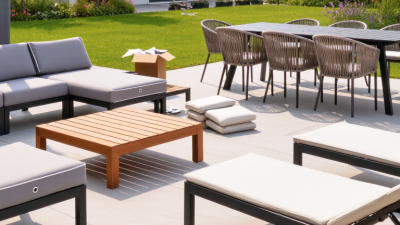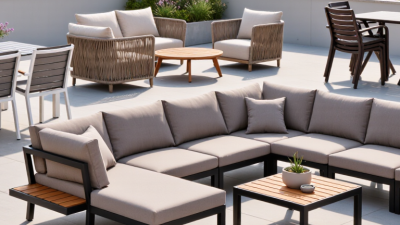
How to Choose Outdoor Garden Furniture for Your Space?

Choosing Outdoor Garden Furniture starts with how you use your outdoor space, not with a showroom display. A balcony used for morning coffee needs different pieces from a family patio where meals and games happen. Measure the area, including doorways and the paths people need to walk through. A compact bistro set may suit a narrow deck, while a larger garden can handle a dining table and separate lounge chairs. Include pulled-out chairs in your measurements. Small gaps matter.

Then consider local weather, shade, storage, and upkeep. Rain, strong sun, and salty air can change how quickly finishes fade or metal corrodes. Check care instructions and look for sturdy joints, stable legs, and replaceable cushions. Materials vary: teak develops a weathered look, aluminum is light to move, and resin wicker is easy to wipe clean. None is maintenance-free. I once thought a thick cushion meant greater comfort; after a damp week, I reconsidered. Comfort also depends on seat depth, back support, and whether cushions can dry properly.

Set a realistic budget that includes covers or storage, not just the furniture price. If possible, sit in a similar chair before buying and inspect the frame closely. Your space may not look like a catalog, and that is fine. The best choice feels useful on an ordinary Tuesday, leaves room to move, and fits the way you actually live outdoors.
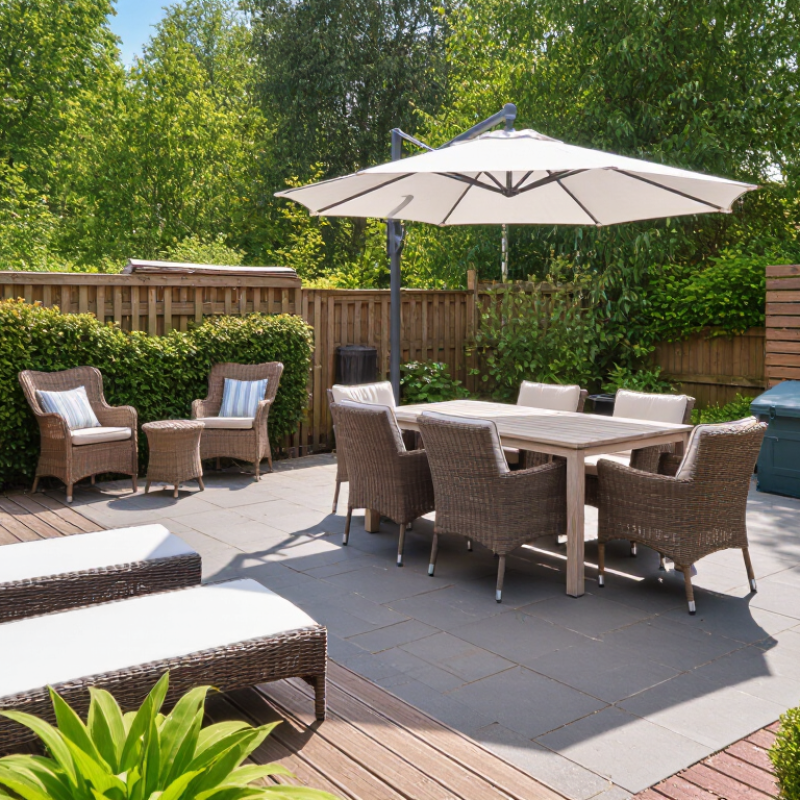
How to Choose Outdoor Garden Furniture for Your Space?

Assess Your Outdoor Space, Layout, and Local Climate

How to Choose Outdoor Garden Furniture for Your Space?

Assess Your Outdoor Space, Layout, and Local Climate

Measure the usable area, not just the whole patio. Mark doors, steps, planters, and the path you take with a cup in hand. Leave room to pull out chairs without blocking a doorway. Measure twice. A quick sketch can reveal that a dining set leaves only a narrow route to the garden. That detail is easy to miss.

Observe the space at different times of day. A sunny corner at noon may be exposed to wind by evening, while a covered porch can still collect driving rain. NOAA’s 1991–2020 U.S. Climate Normals provide 30-year averages for local temperature, precipitation, snowfall, and wind. Check monthly figures, not only annual averages: they can help you judge cushions, frames, and how often furniture may need covering. Shade matters. Still, the weather station may not reflect a sheltered courtyard or a windy rooftop.

Use local exposure to guide material choices, then check the maker’s care and weather-resistance guidance. The USDA Plant Hardiness Zone Map divides average annual extreme minimum temperatures into 10°F zones, with 5°F half-zones. It describes plant cold tolerance, not furniture performance, but it offers useful regional context for winter conditions. One imperfect habit is planning around the prettiest afternoon. Instead, notice where water pools after rain and whether afternoon sun fades the spot where cushions would sit.

Define How You Plan to Use the Garden Furniture

How to Choose Outdoor Garden Furniture for Your Space?

Define How You Plan to Use the Garden Furniture

Start by picturing an ordinary day in your garden, not just a special occasion. Will you eat breakfast outside, host friends, read in a quiet corner, or watch children play? Each activity calls for a different setup. A small table and two chairs may suit morning coffee, while relaxed dinners need enough seats and clear space to move around.

Measure the area before shopping. Note narrow paths, doorways, steps, and the spots where sunlight falls in the afternoon. Leave room to pull chairs back without scraping a wall or blocking the way. Four seats can sound practical, but they may crowd a compact patio. Be honest about how often guests visit. Plans can change.

Comfort depends on more than a soft cushion. If you like reading outdoors, check whether the chair supports your back and whether shade reaches that spot. For meals, consider table height and how easily everyone can sit down. Think about storage, too: cushions left in rain may need to dry before use. A detail that seems minor indoors can become a daily nuisance outside. Choose pieces that fit your habits, while leaving a little open space for plants or simply doing nothing.

Choose Garden Furniture Around How You’ll Use the Space

Compare the priorities for common outdoor activities before choosing furniture.

Planning scores range from 1 (lower priority) to 5 (higher priority). These are practical guidelines, not survey results. Adjust them to fit your space, climate, and routine.

Compare Furniture Materials, Durability, and Maintenance

Outdoor garden furniture needs to suit both your space and the weather it faces. Measure the patio before shopping, then note how much direct sun, rain, and wind it gets. Materials respond differently. Aluminum is light and resists rust, making it easy to move around a small deck. Check the finish for scratches, since exposed metal may corrode over time. Steel feels sturdy, but it can need protective coatings and prompt care if the finish chips.

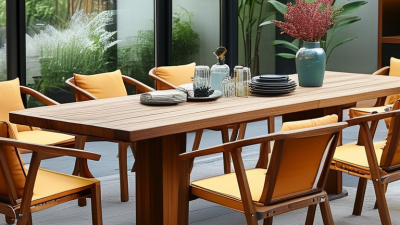
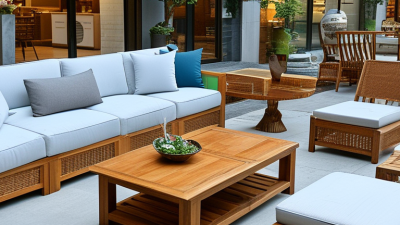
Teak and other outdoor-rated hardwoods feel warm under the hand and can last for years with suitable care. They may weather to a silvery color; occasional cleaning or oiling can help maintain their original appearance. That upkeep is easy to underestimate. Synthetic wicker is often simple to rinse, but inspect its weave and frame for loose strands or trapped dirt. Natural wicker usually needs more shelter from prolonged moisture.

Cushions deserve a close look, too. Removable covers are easier to clean, and quick-drying, outdoor-rated fabric can be more practical after a shower. Still, no material is completely maintenance-free. A covered spot, regular wipe-downs, and dry storage through harsh weather can extend furniture life. The right choice may be less about appearance and more about what you will realistically care for. I would not assume the lowest-maintenance option is always the most comfortable.

Choose Suitable Sizes, Styles, and Comfort Features

How to Choose Outdoor Garden Furniture for Your Space?

Measure the patio before browsing furniture. Leave clear paths around chairs, doors, and planters. A dining set may look compact online but feel crowded beside a grill. For a narrow balcony, a small round table can preserve walking space. Check each piece’s dimensions, including chair depth when pulled out.

Choose a style that works with your home and garden, rather than matching every detail. Natural wood can soften a paved terrace, while simple metal frames suit a clean, modern layout. Comfort matters just as much. Sit in a chair if possible, and check whether its back supports you comfortably. Cushions should feel supportive and have covers that are easy to remove and clean. I’ve found that a beautiful chair can become an annoyance if it is awkward to move. That detail is easy to miss.

Tips: Test the layout with masking tape on the ground before buying. Allow room to recline, and consider where cushions will go during rain. There is no perfect setup; your first arrangement may need adjusting after a few evenings outside.

Plan the Arrangement and Protect Furniture from the Elements

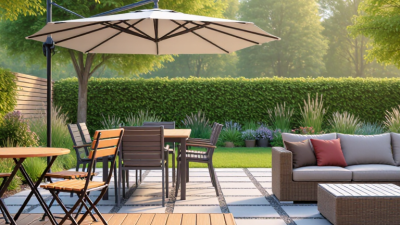
Before choosing outdoor garden furniture, map how people will move through the space. Measure the patio, deck, or lawn, then mark the furniture footprint with string or cardboard. Leave roughly 90 centimetres for a main walking route where possible. Check that chairs can slide back without hitting a wall or planter. Small spaces need breathing room. A compact table and two movable chairs may work better than a large fixed set. Notice where the sun falls at breakfast and late afternoon; a comfortable seat at noon may become painfully hot later.

Plan for weather as carefully as layout. Place furniture under a roof or shade tree when available, but keep it clear of dripping gutters and falling branches. Choose materials suited to your local conditions: persistent damp can encourage mildew, while strong sun may fade fabric and dry out some finishes. Use well-fitted, breathable covers rather than sealing damp furniture beneath plastic. Bring cushions indoors before rain, and let them dry fully before storage. Secure lightweight pieces when wind is forecast. Even a careful plan can miss something; the evening breeze may shift, or water may collect beneath a chair. Check the arrangement after a few weeks, then adjust the pieces and protection where daily use reveals a problem.

Contact Us